THE ADVENTURE COLLECTIVE® · Independent discovery and booking for outdoor travel

A compact seven-day loop through Sri Lanka’s cultural heart and wild south, this private tour walks ancient rock palaces, tea-country trails and prime elephant habitat. Expect stair climbs, misty hill mornings and a mix of temple ritual and off-road safaris.
A compact seven-day loop through Sri Lanka’s cultural heart and wild south, this private tour walks ancient rock palaces, tea-country trails and prime elephant habitat. Expect stair climbs, misty hill mornings and a mix of temple ritual and off-road safaris.
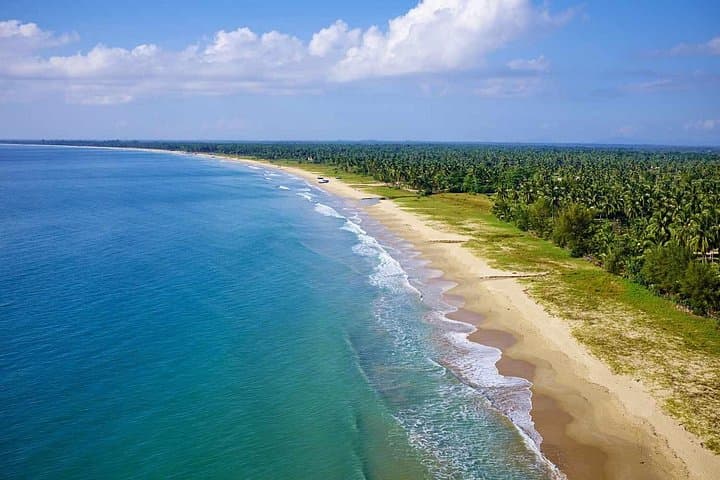
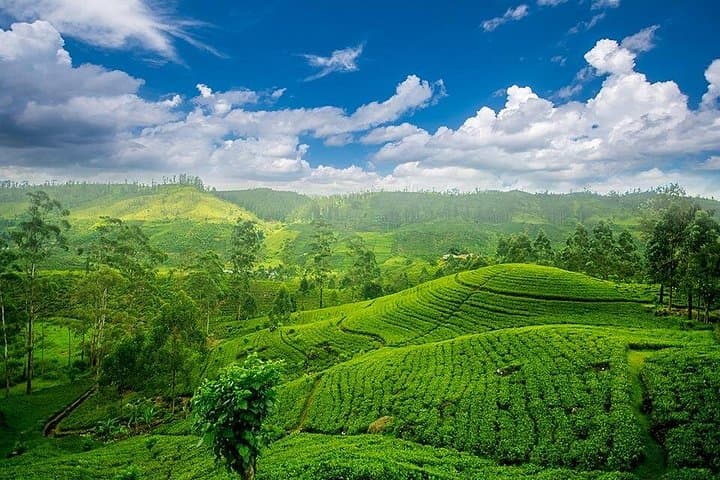
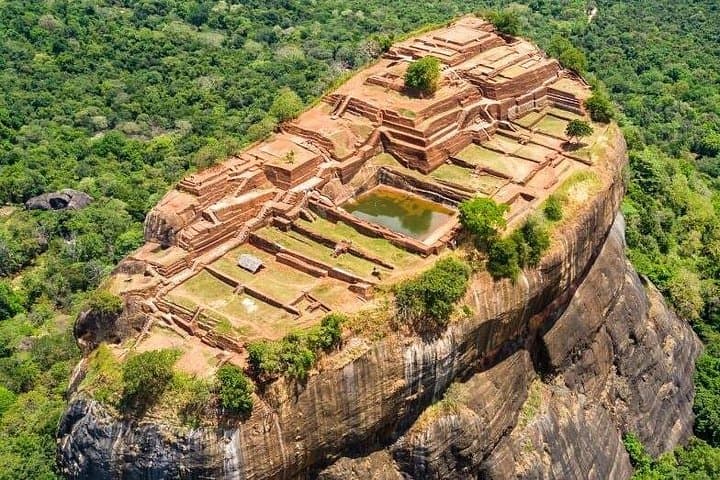
You step out of Colombo's humid night into a hush of rubber trees and the low rumble of a long-distance bus, and the island begins to reveal itself in stages: polished colonial facades, temple bells, tea-scented air climbing into cooler hills. This seven-day loop carves a line across Sri Lanka’s central spine—Sigiriya’s rock, the lakes of Kandy, mist-soft tea terraces around Nuwara Eliya and Ella, then the dry scrub of Yala where elephants pick a slow path through the grasses.
Verified experiences and guided adventures in the surrounding area.
Operated by Sri Lanka Private Driver · Colombo, Western Province
You step out of Colombo's humid night into a hush of rubber trees and the low rumble of a long-distance bus, and the island begins to reveal itself in stages: polished colonial facades, temple bells, tea-scented air climbing into cooler hills. This seven-day loop carves a line across Sri Lanka’s central spine—Sigiriya’s rock, the lakes of Kandy, mist-soft tea terraces around Nuwara Eliya and Ella, then the dry scrub of Yala where elephants pick a slow path through the grasses.
The itinerary moves fast but thoughtfully. Sigiriya is first: a 200-meter monolith that dominated a 5th-century kingdom and still forces a double-take as the road swings into view. In Kandy the Temple of the Sacred Tooth holds a relic that once legitimized kings; its ritual cadence remains a living political thread. The hill country tells a geological story of uplifted gneiss and volcanic soils that feed the tea estates—centuries of colonial-era plantations carved into steep slopes. Down south, Yala and Udawalawe reverse the palette to arid plains and stunted jungle where elephants and water birds concentrate around reservoirs.
Local culture is immediate: drivers who are also raconteurs, small roadside shops serving hoppers and peppery curries, temple caretakers who will point out frescoes with quiet pride. History is visible in the Dutch masonry of Galle Fort and in Polonnaruwa’s ruined palaces, which reveal an island long sutured to Indian Ocean trade.
Practical edge: the tour is private and starts at the airport, with an air-conditioned vehicle and onboard Wi-Fi—useful for reviewing the next day’s weather or sending photos home. Expect a mix of walking: Sigiriya and Pidurangala require stair-climbing; Little Adam’s Peak and Ella Rock are mostly well-signed but can be steep and muddy after rain. Yala safaris are off-road and bumpy; pack accordingly.
Timing matters. Start early on sightseeing days to avoid heat and crowds at Sigiriya and Dambulla. Bring layered clothing for hill country mornings that can drop into single digits in Nuwara Eliya, and a rain shell for sudden tropical showers. Currency and cash are handy in small towns; many stalls don’t accept cards. Respect temple dress codes—shoulders and knees covered—and remove hats and shoes when required.
This itinerary is ideal for travelers who want a concentrated survey of Sri Lanka’s cultural highlights, scenery and wildlife in one week. It balances museum-like history with terrain that still asks for firm shoes and a readiness to move at local pace—sometimes slow, sometimes urgent—depending on what the island offers that day.
Most visitors require an eTA/ETA processed online before arrival—check your country’s specific requirements and apply in advance.
Yes; the tour includes airport pickup and the driver will meet you in the arrivals hall holding your name board.
Yes; the private tour runs for any party size and accommodates single travelers.
Conservative clothing covering shoulders and knees is required; bring a scarf for quick coverage when needed.
The itinerary lists onboard Wi-Fi for most transfers, but signal can drop in rural hills and national parks.
Some visits list admission as not included—confirm with the supplier which archaeological site fees or park permits are covered before booking.
Sri Lanka Private Driver operates guided outdoor trips and adventures with an emphasis on safety, stewardship, and memorable experiences.
You step out of Colombo's humid night into a hush of rubber trees and the low rumble of a long-distance bus, and the island begins to reveal itself in stages: polished colonial facades, temple bells, tea-scented air climbing into cooler hills. This seven-day loop carves a line across Sri Lanka’s central spine—Sigiriya’s rock, the lakes of Kandy, mist-soft tea terraces around Nuwara Eliya and Ella, then the dry scrub of Yala where elephants pick a slow path through the grasses.
You step out of Colombo's humid night into a hush of rubber trees and the low rumble of a long-distance bus, and the island begins to reveal itself in stages: polished colonial facades, temple bells, tea-scented air climbing into cooler hills. This seven-day loop carves a line across Sri Lanka’s central spine—Sigiriya’s rock, the lakes of Kandy, mist-soft tea terraces around Nuwara Eliya and Ella, then the dry scrub of Yala where elephants pick a slow path through the grasses.
The itinerary moves fast but thoughtfully. Sigiriya is first: a 200-meter monolith that dominated a 5th-century kingdom and still forces a double-take as the road swings into view. In Kandy the Temple of the Sacred Tooth holds a relic that once legitimized kings; its ritual cadence remains a living political thread. The hill country tells a geological story of uplifted gneiss and volcanic soils that feed the tea estates—centuries of colonial-era plantations carved into steep slopes. Down south, Yala and Udawalawe reverse the palette to arid plains and stunted jungle where elephants and water birds concentrate around reservoirs.
Local culture is immediate: drivers who are also raconteurs, small roadside shops serving hoppers and peppery curries, temple caretakers who will point out frescoes with quiet pride. History is visible in the Dutch masonry of Galle Fort and in Polonnaruwa’s ruined palaces, which reveal an island long sutured to Indian Ocean trade.
Practical edge: the tour is private and starts at the airport, with an air-conditioned vehicle and onboard Wi-Fi—useful for reviewing the next day’s weather or sending photos home. Expect a mix of walking: Sigiriya and Pidurangala require stair-climbing; Little Adam’s Peak and Ella Rock are mostly well-signed but can be steep and muddy after rain. Yala safaris are off-road and bumpy; pack accordingly.
Timing matters. Start early on sightseeing days to avoid heat and crowds at Sigiriya and Dambulla. Bring layered clothing for hill country mornings that can drop into single digits in Nuwara Eliya, and a rain shell for sudden tropical showers. Currency and cash are handy in small towns; many stalls don’t accept cards. Respect temple dress codes—shoulders and knees covered—and remove hats and shoes when required.
This itinerary is ideal for travelers who want a concentrated survey of Sri Lanka’s cultural highlights, scenery and wildlife in one week. It balances museum-like history with terrain that still asks for firm shoes and a readiness to move at local pace—sometimes slow, sometimes urgent—depending on what the island offers that day.