THE ADVENTURE COLLECTIVE® · Independent discovery and booking for outdoor travel

Two weeks on Sri Lanka’s roads in a fully equipped motorhome, from Sinharaja rainforest to Horton Plains and coastal wetlands. Expect endemic species, migratory flocks, jeep safaris and early-morning birding rhythms — practical, mobile, and deeply immersive.
Two weeks on Sri Lanka’s roads in a fully equipped motorhome, from Sinharaja rainforest to Horton Plains and coastal wetlands. Expect endemic species, migratory flocks, jeep safaris and early-morning birding rhythms — practical, mobile, and deeply immersive.
The road opens like a map of calls: bulbous hornbills punctuate the morning, a sun-wet motorhome hums along coastal plains, and rainforest scents press up against the windows. Over 15 days this trip threads lowland rivers, World Heritage rainforest and montane tea country — each habitat turning up a different chorus. Birdwatchers follow dappled trails at dawn, scan wetlands at dusk, and ease into jeep safaris where elephants and sambar share the same skyline as migratory waders.
Verified experiences and guided adventures in the surrounding area.
Operated by Lakpura LLC · Negombo, Western Province
The road opens like a map of calls: bulbous hornbills punctuate the morning, a sun-wet motorhome hums along coastal plains, and rainforest scents press up against the windows. Over 15 days this trip threads lowland rivers, World Heritage rainforest and montane tea country — each habitat turning up a different chorus. Birdwatchers follow dappled trails at dawn, scan wetlands at dusk, and ease into jeep safaris where elephants and sambar share the same skyline as migratory waders.
Sri Lanka’s bird story is driven by island endemism and pulses of migrants from Siberia and Central Asia; the island supports over 430 recorded species and globally important endemics concentrated in Sinharaja, Horton Plains and cloud-shrub zones around Nuwara Eliya. Geologically the island folds from coastal limestone through central highlands shaped by ancient uplift — those contours create distinct microclimates and the tea estates that recall colonial-era agriculture and local plantation culture.
Practically, expect a rhythm of early starts and slow afternoons in the motorhome. Trails in Sinharaja are humid, often muddy, with low canopy visibility; Horton Plains are brisk and open with shorter walks but cooler temperatures. Bring binoculars, a field guide, and layered rain gear; park permits and jeep-safari bookings for Yala and Udawalawe are handled locally but plan for cash and permit windows. Best sightings come with patience — stand quietly at hides and river bends — and travel light in the motorhome to move quickly between hotspots. Hydrate often, protect electronics from humidity, and allow extra time for roadside stops: Sri Lanka rewards slow, attentive travel.
Migratory visitors arrive primarily during the northern winter—roughly October to April—when waders and many terrestrial migrants are present.
Yes; the itinerary includes a fully equipped motorhome with chauffeur, overnight stays at motorhome parks and local facilities—but expect basic services in remote areas.
Major parks like Yala, Sinharaja and Horton Plains require entrance fees and sometimes advance jeep bookings; your operator typically handles logistics but confirm before travel.
Walks are mostly short to moderate; rainforest trails can be slippery and montane walks cooler and windier—moderate fitness is recommended.
Lakpura LLC operates guided outdoor trips and adventures with an emphasis on safety, stewardship, and memorable experiences.
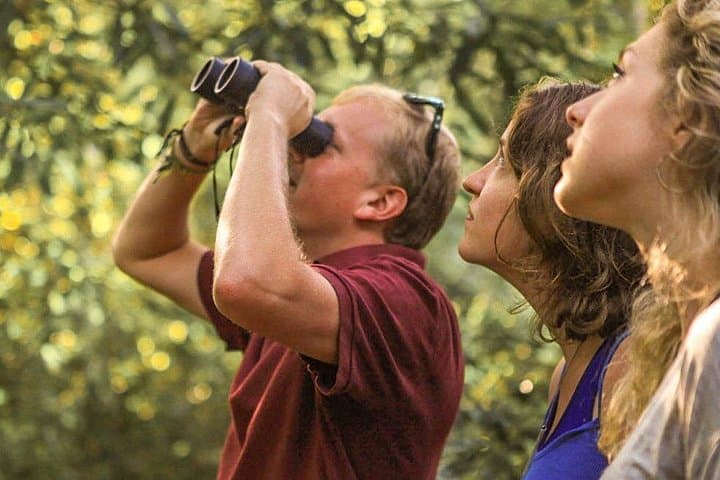
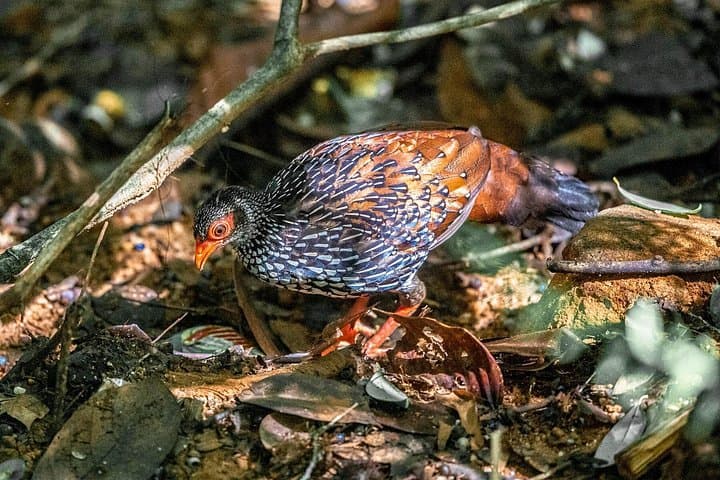
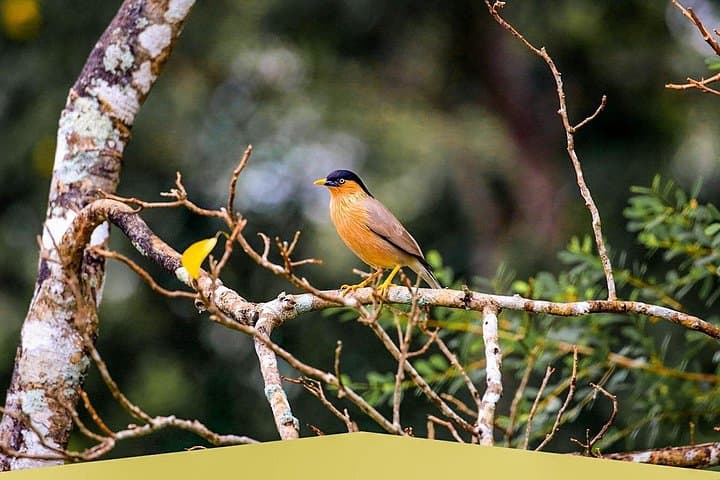
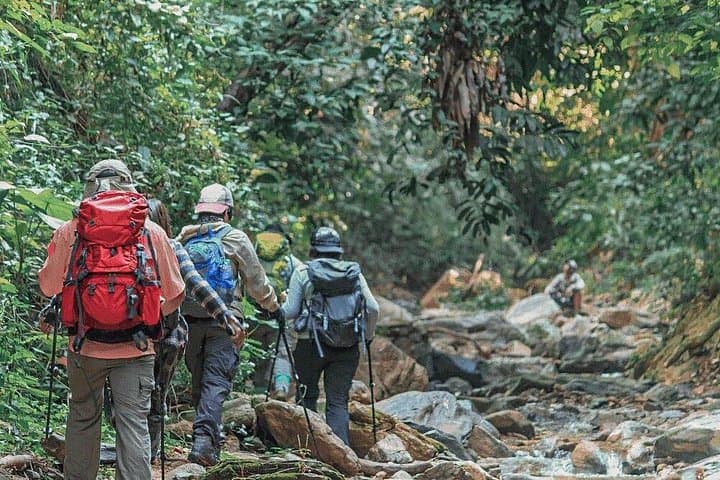
The road opens like a map of calls: bulbous hornbills punctuate the morning, a sun-wet motorhome hums along coastal plains, and rainforest scents press up against the windows. Over 15 days this trip threads lowland rivers, World Heritage rainforest and montane tea country — each habitat turning up a different chorus. Birdwatchers follow dappled trails at dawn, scan wetlands at dusk, and ease into jeep safaris where elephants and sambar share the same skyline as migratory waders.
The road opens like a map of calls: bulbous hornbills punctuate the morning, a sun-wet motorhome hums along coastal plains, and rainforest scents press up against the windows. Over 15 days this trip threads lowland rivers, World Heritage rainforest and montane tea country — each habitat turning up a different chorus. Birdwatchers follow dappled trails at dawn, scan wetlands at dusk, and ease into jeep safaris where elephants and sambar share the same skyline as migratory waders.
Sri Lanka’s bird story is driven by island endemism and pulses of migrants from Siberia and Central Asia; the island supports over 430 recorded species and globally important endemics concentrated in Sinharaja, Horton Plains and cloud-shrub zones around Nuwara Eliya. Geologically the island folds from coastal limestone through central highlands shaped by ancient uplift — those contours create distinct microclimates and the tea estates that recall colonial-era agriculture and local plantation culture.
Practically, expect a rhythm of early starts and slow afternoons in the motorhome. Trails in Sinharaja are humid, often muddy, with low canopy visibility; Horton Plains are brisk and open with shorter walks but cooler temperatures. Bring binoculars, a field guide, and layered rain gear; park permits and jeep-safari bookings for Yala and Udawalawe are handled locally but plan for cash and permit windows. Best sightings come with patience — stand quietly at hides and river bends — and travel light in the motorhome to move quickly between hotspots. Hydrate often, protect electronics from humidity, and allow extra time for roadside stops: Sri Lanka rewards slow, attentive travel.