THE ADVENTURE COLLECTIVE® · Independent discovery and booking for outdoor travel

Trace the living history of Sri Lankan Buddhism on a private pilgrimage from Colombo to Anuradhapura, Sigiriya and Kandy. This guided multi‑day route pairs ancient stupas and rock palaces with practical, on‑the‑ground advice for climbing, cultural etiquette and pacing your days.
Trace the living history of Sri Lankan Buddhism on a private pilgrimage from Colombo to Anuradhapura, Sigiriya and Kandy. This guided multi‑day route pairs ancient stupas and rock palaces with practical, on‑the‑ground advice for climbing, cultural etiquette and pacing your days.
You step off the plane into Colombo and feel the island push and quiet in equal measure — traffic fades behind you as the tour’s air‑conditioned vehicle eases north, through rice plains that hold the bones of ancient kingdoms. On this privately guided pilgrimage you thread from the busy shrines of Colombo to the stupas of Anuradhapura, climb the lion’s spine at Sigiriya, and linger in Kandy’s saffron dusk. Each temple and ruin keeps its own ritual rhythm; the journey moves at that pace.
Verified experiences and guided adventures in the surrounding area.
Operated by Lakpura LLC · Anuradhapura, North Central Province
You step off the plane into Colombo and feel the island push and quiet in equal measure — traffic fades behind you as the tour’s air‑conditioned vehicle eases north, through rice plains that hold the bones of ancient kingdoms. On this privately guided pilgrimage you thread from the busy shrines of Colombo to the stupas of Anuradhapura, climb the lion’s spine at Sigiriya, and linger in Kandy’s saffron dusk. Each temple and ruin keeps its own ritual rhythm; the journey moves at that pace.
Sri Lanka’s Buddhist story begins in the third century BCE, when monks and monarchs wove the island into the wider Pāli tradition. Anuradhapura was the political and spiritual capital for over a millennium — its brick stupas, monastic ponds and the Sri Maha Bodhi tree (grown from a cutting of the Bodhi in India) make the past concrete. Sigiriya is less a temple and more a defended palace carved of volcanic breccia: a 5th‑century AD rock fortress of gardens, frescoes and water cisterns that show sophisticated hydraulic engineering. Kandy’s Temple of the Tooth preserves a sacred relic and the performative heart of modern Sinhala Buddhist culture.
Geology shapes the visit. The central plateau and isolated rock outcrops like Sigiriya rise abruptly from the plains, so expect steep metal staircases and exposed climbs; Mihintale’s stone steps tighten the breath and reward you with a panorama that watches the dry zone stretch to the horizon. Culturally, devotion is public and tactile — offerings, morning chanting and poojas are visible in every city. Your chauffeur‑guide will explain ritual sequences and the etiquette for entering shrine spaces.
Practical guidance: the tour runs in a private vehicle with an English‑speaking chauffeur; entrance fees are typically not included, so carry cash (Sri Lankan rupees) for tickets and small offerings. Dress conservatively for temples — shoulders and knees covered — and plan early starts: heat and crowds are lower at sunrise when Sigiriya and the Bodhi tree are most atmospheric. Sigiriya’s ascent gains roughly 200 m over metal steps; bring good shoes and be prepared for exposed sections. Expect several two‑to‑three‑hour drives between sites; roadside stops for tea and local snacks break the travel. Hydration, sunscreen, a light rain shell for short tropical showers and insect repellent will make each day easier. If you have limited mobility, notify the operator — some sites require stair climbs. Finally, allow time to sit in a monastery courtyard or beside a stupa; the quiet there clarifies why this itinerary works as a pilgrimage rather than a checklist.
No — entrance tickets are not included; your guide will advise on current fees and you should carry cash for purchases.
No — the tour welcomes anyone interested in history and culture; respectful behavior at religious sites is expected.
The climb gains about 200 m and includes metal stair sections; it takes 45–90 minutes depending on pace and fitness.
Yes — the itinerary includes chanting and pooja ceremonies in Anuradhapura and optional temple rituals; participation is voluntary and guided.
Yes — transport in a private vehicle with an English‑speaking chauffeur guide is provided for the duration of the tour.
The dry season from December to April is generally most comfortable for temple visits and rock climbs, though early mornings work year‑round.
Lakpura LLC operates guided outdoor trips and adventures with an emphasis on safety, stewardship, and memorable experiences.
You step off the plane into Colombo and feel the island push and quiet in equal measure — traffic fades behind you as the tour’s air‑conditioned vehicle eases north, through rice plains that hold the bones of ancient kingdoms. On this privately guided pilgrimage you thread from the busy shrines of Colombo to the stupas of Anuradhapura, climb the lion’s spine at Sigiriya, and linger in Kandy’s saffron dusk. Each temple and ruin keeps its own ritual rhythm; the journey moves at that pace.
You step off the plane into Colombo and feel the island push and quiet in equal measure — traffic fades behind you as the tour’s air‑conditioned vehicle eases north, through rice plains that hold the bones of ancient kingdoms. On this privately guided pilgrimage you thread from the busy shrines of Colombo to the stupas of Anuradhapura, climb the lion’s spine at Sigiriya, and linger in Kandy’s saffron dusk. Each temple and ruin keeps its own ritual rhythm; the journey moves at that pace.
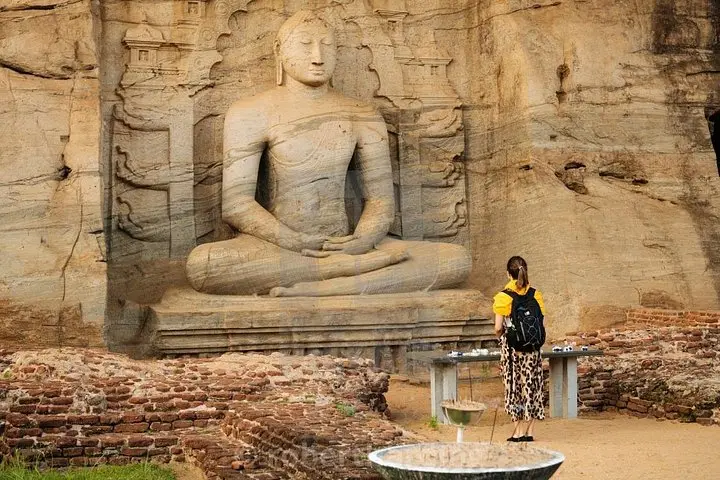
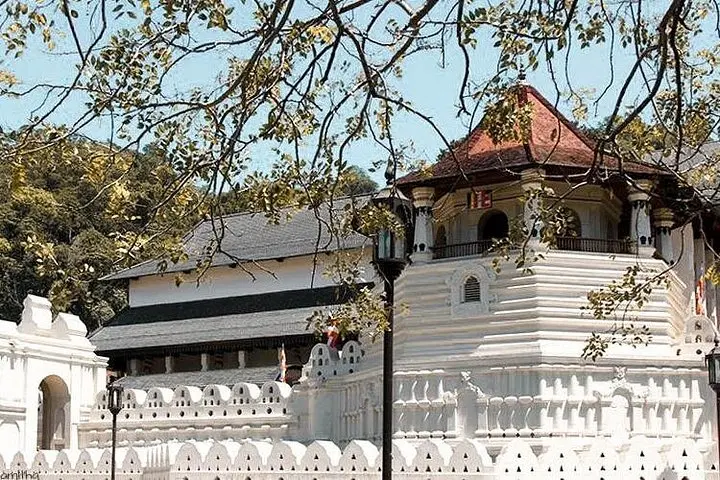
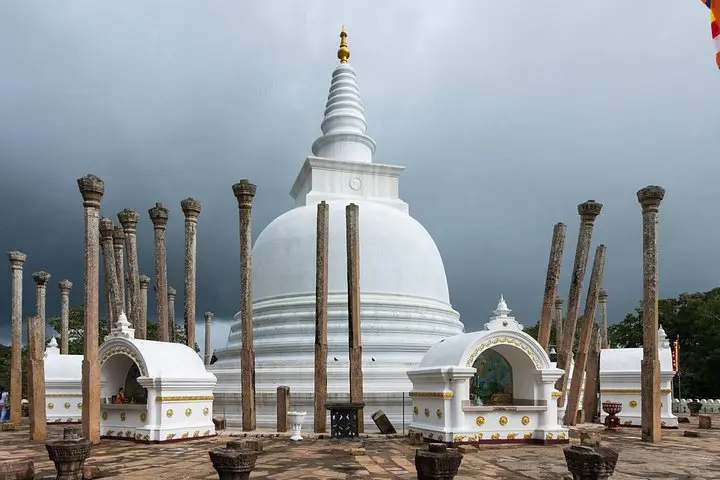
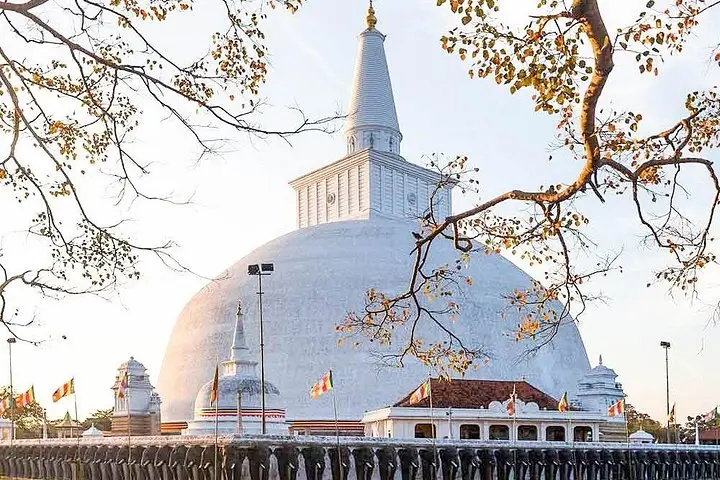
Sri Lanka’s Buddhist story begins in the third century BCE, when monks and monarchs wove the island into the wider Pāli tradition. Anuradhapura was the political and spiritual capital for over a millennium — its brick stupas, monastic ponds and the Sri Maha Bodhi tree (grown from a cutting of the Bodhi in India) make the past concrete. Sigiriya is less a temple and more a defended palace carved of volcanic breccia: a 5th‑century AD rock fortress of gardens, frescoes and water cisterns that show sophisticated hydraulic engineering. Kandy’s Temple of the Tooth preserves a sacred relic and the performative heart of modern Sinhala Buddhist culture.
Geology shapes the visit. The central plateau and isolated rock outcrops like Sigiriya rise abruptly from the plains, so expect steep metal staircases and exposed climbs; Mihintale’s stone steps tighten the breath and reward you with a panorama that watches the dry zone stretch to the horizon. Culturally, devotion is public and tactile — offerings, morning chanting and poojas are visible in every city. Your chauffeur‑guide will explain ritual sequences and the etiquette for entering shrine spaces.
Practical guidance: the tour runs in a private vehicle with an English‑speaking chauffeur; entrance fees are typically not included, so carry cash (Sri Lankan rupees) for tickets and small offerings. Dress conservatively for temples — shoulders and knees covered — and plan early starts: heat and crowds are lower at sunrise when Sigiriya and the Bodhi tree are most atmospheric. Sigiriya’s ascent gains roughly 200 m over metal steps; bring good shoes and be prepared for exposed sections. Expect several two‑to‑three‑hour drives between sites; roadside stops for tea and local snacks break the travel. Hydration, sunscreen, a light rain shell for short tropical showers and insect repellent will make each day easier. If you have limited mobility, notify the operator — some sites require stair climbs. Finally, allow time to sit in a monastery courtyard or beside a stupa; the quiet there clarifies why this itinerary works as a pilgrimage rather than a checklist.