THE ADVENTURE COLLECTIVE® · Independent discovery and booking for outdoor travel

Train to dive in Tulamben with an SSI Open Water course that moves from pool drills to four open-water dives on the famed USAT Liberty wreck. Small classes, warm water, and clear progression make this a top choice for first-time divers.
Train to dive in Tulamben with an SSI Open Water course that moves from pool drills to four open-water dives on the famed USAT Liberty wreck. Small classes, warm water, and clear progression make this a top choice for first-time divers.
A morning breeze off Bali’s northeast coast moves the surface like a restless sheet; below, the USAT Liberty waits, half-hidden in blue and coral. You arrive at a small dive centre in Tulamben, trade the clamor of scooters for the hush of bubbling regulators, and start a three-day progression from pool skills to four open-water dives on one of the world’s most accessible wrecks.
Verified experiences and guided adventures in the surrounding area.
Operated by Ocean Sun Dive Center · Tulamben, Bali
A morning breeze off Bali’s northeast coast moves the surface like a restless sheet; below, the USAT Liberty waits, half-hidden in blue and coral. You arrive at a small dive centre in Tulamben, trade the clamor of scooters for the hush of bubbling regulators, and start a three-day progression from pool skills to four open-water dives on one of the world’s most accessible wrecks.
Tulamben’s shore is volcanic—black sand beaches and ridged lava flows that formed when Gunung Agung reshaped this coast. The Liberty itself is a fragment of WWII history: a US cargo ship beached after a 1942 attack and now colonized by hard coral and schools of tropical fish. Local Balinese fishing communities and dive guides have built a small tourism economy here, blending traditional coastal life with international dive culture.
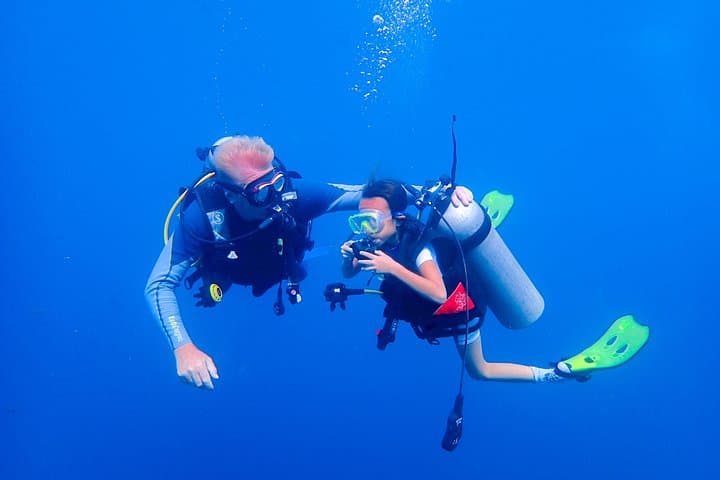
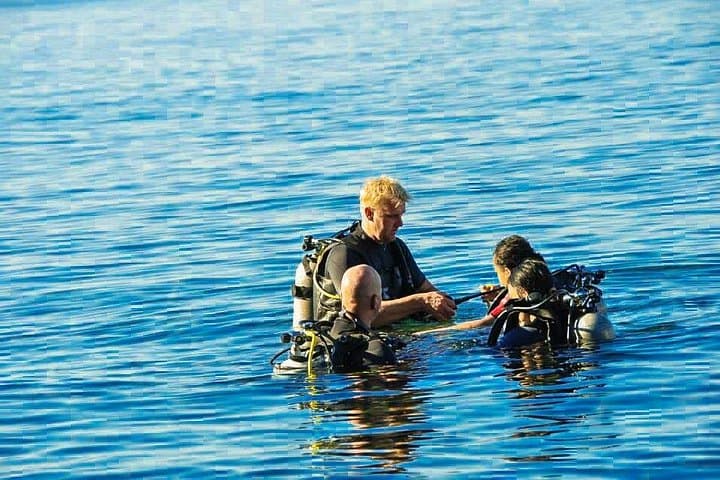
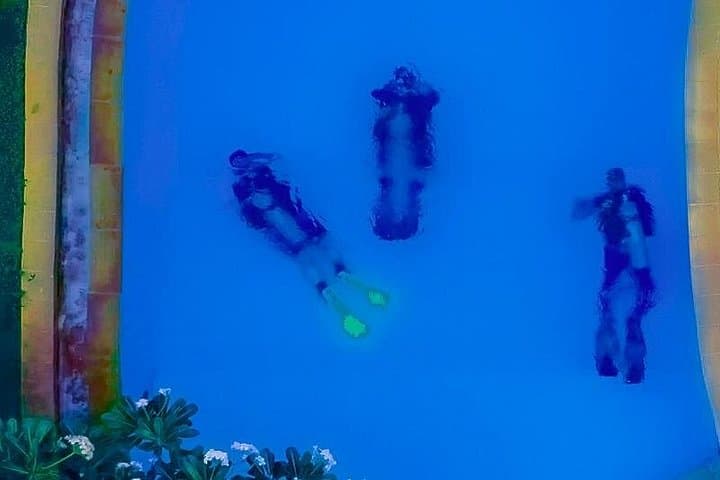
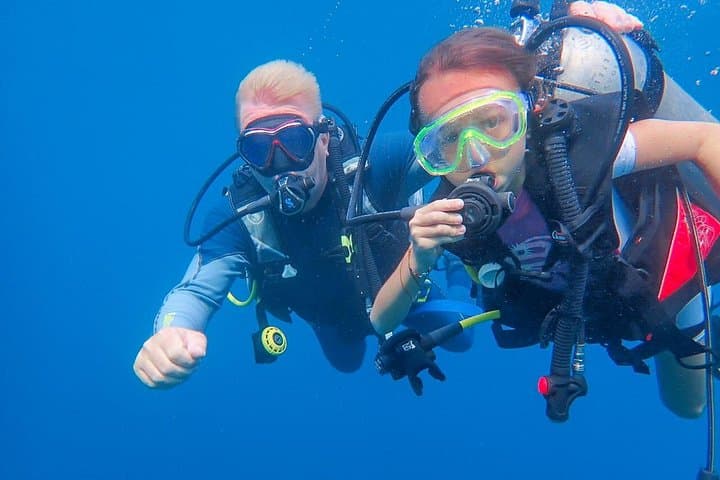
Expect structured SSI coursework: digital theory, confined-pool practice, then graded open-water dives to 18 m with an instructor-to-student ratio typically 1:2. Visibility is usually good, water temperature warm year-round, and marine life ranges from giant anemones to tiny nudibranchs. The wreck’s layout is beginner-friendly, offering both dramatic swim-throughs and shallow reef edges for skill-building.
Practical guidance: bring your own mask if possible, hydrate well, and practice equalizing on the surface. Plan for early morning dives to avoid wind chop; pay attention to briefings and respect fragile coral—your buoyancy control matters here as much as the skills you learn.
No—this SSI Open Water course is designed for beginners and starts with theory and pool sessions.
Digital materials, pool training, four open-water dives, full equipment rental, temporary DAN insurance, and SSI certification fees are included.
Course dives progress up to 18 meters (60 feet), the standard SSI Open Water certification limit.
Yes—the Tulamben Liberty is a shore-entry wreck with shallow sections and accessible features suitable for newly certified divers under instructor supervision.
Ocean Sun Dive Center operates guided outdoor trips and adventures with an emphasis on safety, stewardship, and memorable experiences.
A morning breeze off Bali’s northeast coast moves the surface like a restless sheet; below, the USAT Liberty waits, half-hidden in blue and coral. You arrive at a small dive centre in Tulamben, trade the clamor of scooters for the hush of bubbling regulators, and start a three-day progression from pool skills to four open-water dives on one of the world’s most accessible wrecks.
A morning breeze off Bali’s northeast coast moves the surface like a restless sheet; below, the USAT Liberty waits, half-hidden in blue and coral. You arrive at a small dive centre in Tulamben, trade the clamor of scooters for the hush of bubbling regulators, and start a three-day progression from pool skills to four open-water dives on one of the world’s most accessible wrecks.
Tulamben’s shore is volcanic—black sand beaches and ridged lava flows that formed when Gunung Agung reshaped this coast. The Liberty itself is a fragment of WWII history: a US cargo ship beached after a 1942 attack and now colonized by hard coral and schools of tropical fish. Local Balinese fishing communities and dive guides have built a small tourism economy here, blending traditional coastal life with international dive culture.
Expect structured SSI coursework: digital theory, confined-pool practice, then graded open-water dives to 18 m with an instructor-to-student ratio typically 1:2. Visibility is usually good, water temperature warm year-round, and marine life ranges from giant anemones to tiny nudibranchs. The wreck’s layout is beginner-friendly, offering both dramatic swim-throughs and shallow reef edges for skill-building.
Practical guidance: bring your own mask if possible, hydrate well, and practice equalizing on the surface. Plan for early morning dives to avoid wind chop; pay attention to briefings and respect fragile coral—your buoyancy control matters here as much as the skills you learn.