THE ADVENTURE COLLECTIVE® · Independent discovery and booking for outdoor travel

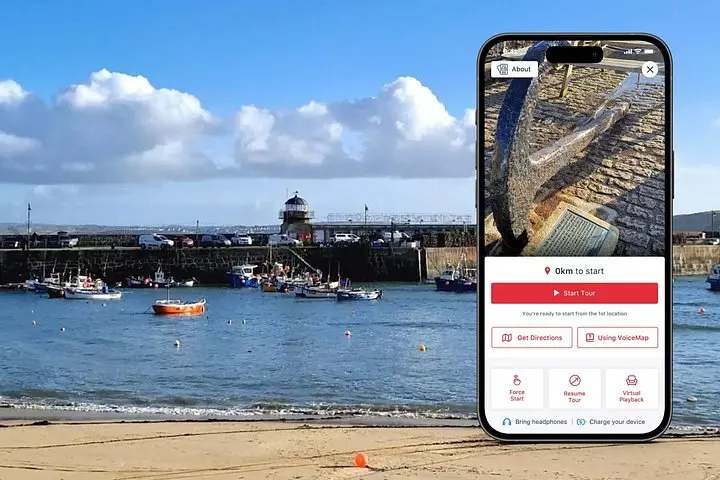
Walk St Ives at your own pace with a self-guided audio tour that moves from pilchard cellars and Tudor piers to modernist studios and the Tate. Perfect for history buffs and light-footed explorers wanting coastal views, culture, and local color.
Walk St Ives at your own pace with a self-guided audio tour that moves from pilchard cellars and Tudor piers to modernist studios and the Tate. Perfect for history buffs and light-footed explorers wanting coastal views, culture, and local color.
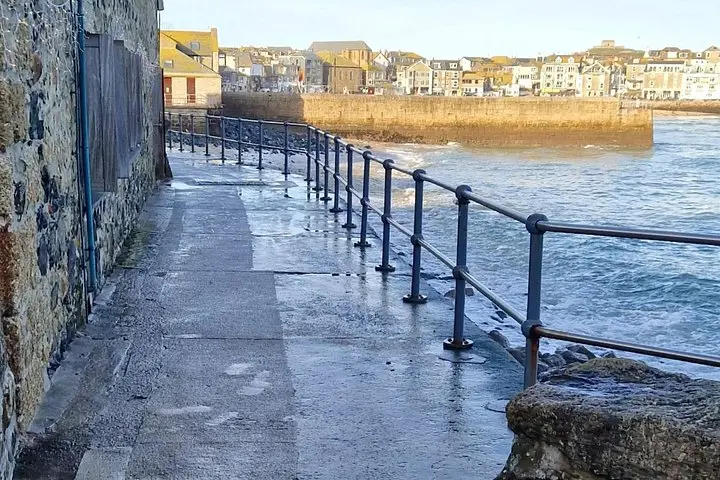
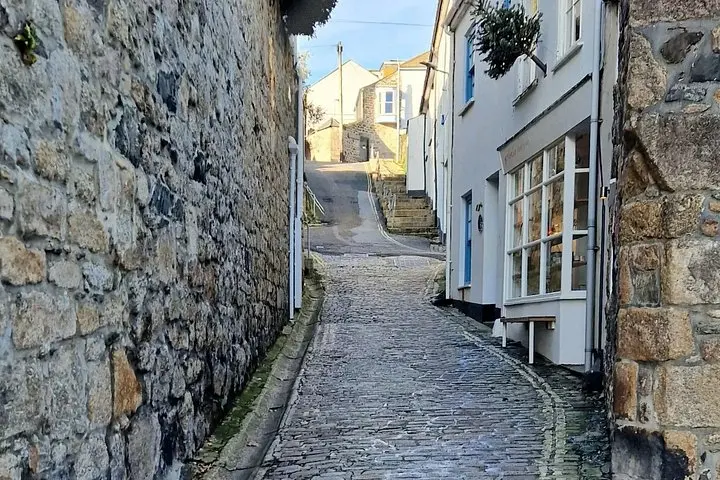
You emerge from the small station above Porthminster Beach into a wind that tastes of salt and seaweed—St Ives’ light spills across sand and slate, demanding a second look. This self-guided audio walk threads narrow cobbled lanes, skirts stone piers, and pauses where studios and harbourside pubs hold the weathered stories of a coastal town that kept changing its fortunes.
Verified experiences and guided adventures in the surrounding area.
Operated by VoiceMap Audio Tours · St Ives, Cornwall
You emerge from the small station above Porthminster Beach into a wind that tastes of salt and seaweed—St Ives’ light spills across sand and slate, demanding a second look. This self-guided audio walk threads narrow cobbled lanes, skirts stone piers, and pauses where studios and harbourside pubs hold the weathered stories of a coastal town that kept changing its fortunes.
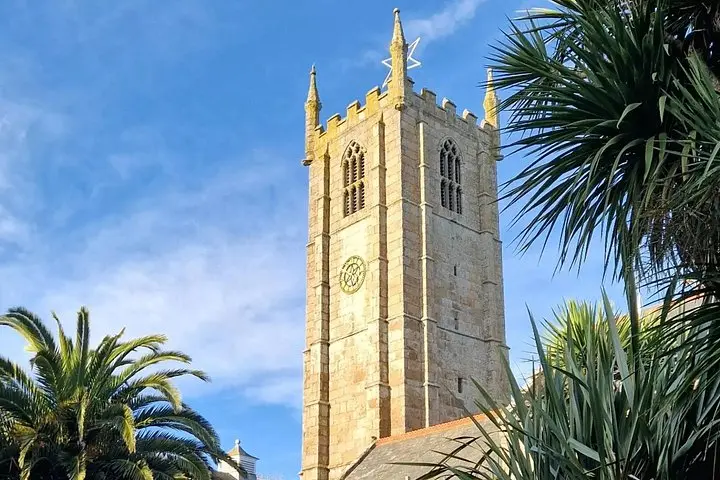
The route traces millennia: Celtic foundations tied to St Ia, a medieval harbour built on pilchard wealth, and a Tudor fort that once watched for raiders. Geologically, the coast is blunt Cornish granite cut by the Atlantic—headlands that bend waves into sheltered coves, beaches that shift with the tide, and cliffs that have long drawn artists for their sharp contrasts of shadow and color.
By the late 19th century the Great Western Railway rewired St Ives’ destiny, turning a working port into an accessible retreat. In the 20th century artists like Barbara Hepworth found the light irresistible; her studio and the Tate St Ives map the artistic transformation that followed.
Practical guide: the tour starts at St Ives railway station above Porthminster Beach and finishes at Tate St Ives above Porthmeor. Expect 60–90 minutes at an easy pace; allow more time to linger in galleries and cafés. The app provides offline audio and GPS, and the route is broadly wheelchair accessible though some lanes have cobbles and short steps. Bring a waterproof layer, sturdy footwear, and a charged phone for the app. Aim for morning or late afternoon light for the clearest coastal vistas and quieter lanes.
The audio tour starts at St Ives railway station above Porthminster Beach and finishes at Tate St Ives above Porthmeor Beach.
The route is broadly wheelchair accessible and the audio works offline, but some historic lanes have uneven cobbles and short steps—plan accordingly.
No fixed start time—this is self-guided with lifetime access, but download the audio before you arrive and allow 60–90 minutes to complete.
Service animals are allowed; local rules for pets vary and some indoor sites like galleries restrict animals.
VoiceMap Audio Tours operates guided outdoor trips and adventures with an emphasis on safety, stewardship, and memorable experiences.
You emerge from the small station above Porthminster Beach into a wind that tastes of salt and seaweed—St Ives’ light spills across sand and slate, demanding a second look. This self-guided audio walk threads narrow cobbled lanes, skirts stone piers, and pauses where studios and harbourside pubs hold the weathered stories of a coastal town that kept changing its fortunes.
You emerge from the small station above Porthminster Beach into a wind that tastes of salt and seaweed—St Ives’ light spills across sand and slate, demanding a second look. This self-guided audio walk threads narrow cobbled lanes, skirts stone piers, and pauses where studios and harbourside pubs hold the weathered stories of a coastal town that kept changing its fortunes.
The route traces millennia: Celtic foundations tied to St Ia, a medieval harbour built on pilchard wealth, and a Tudor fort that once watched for raiders. Geologically, the coast is blunt Cornish granite cut by the Atlantic—headlands that bend waves into sheltered coves, beaches that shift with the tide, and cliffs that have long drawn artists for their sharp contrasts of shadow and color.
By the late 19th century the Great Western Railway rewired St Ives’ destiny, turning a working port into an accessible retreat. In the 20th century artists like Barbara Hepworth found the light irresistible; her studio and the Tate St Ives map the artistic transformation that followed.
Practical guide: the tour starts at St Ives railway station above Porthminster Beach and finishes at Tate St Ives above Porthmeor. Expect 60–90 minutes at an easy pace; allow more time to linger in galleries and cafés. The app provides offline audio and GPS, and the route is broadly wheelchair accessible though some lanes have cobbles and short steps. Bring a waterproof layer, sturdy footwear, and a charged phone for the app. Aim for morning or late afternoon light for the clearest coastal vistas and quieter lanes.