THE ADVENTURE COLLECTIVE® · Independent discovery and booking for outdoor travel

Cross the short channel to St. John for a condensed, scenic primer on the island: panoramic overlooks, white-sand beaches, and the evocative ruins of the Annaberg sugar plantation. This half-day tour pairs natural spectacle with local history and practical stops at the park’s most famous views.
Cross the short channel to St. John for a condensed, scenic primer on the island: panoramic overlooks, white-sand beaches, and the evocative ruins of the Annaberg sugar plantation. This half-day tour pairs natural spectacle with local history and practical stops at the park’s most famous views.
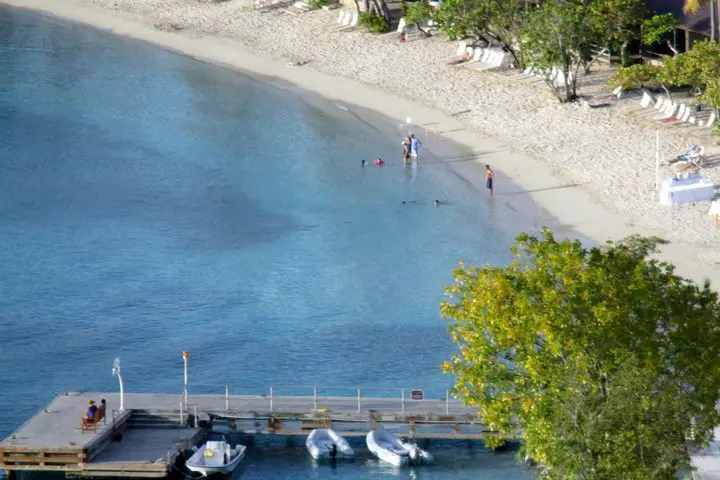
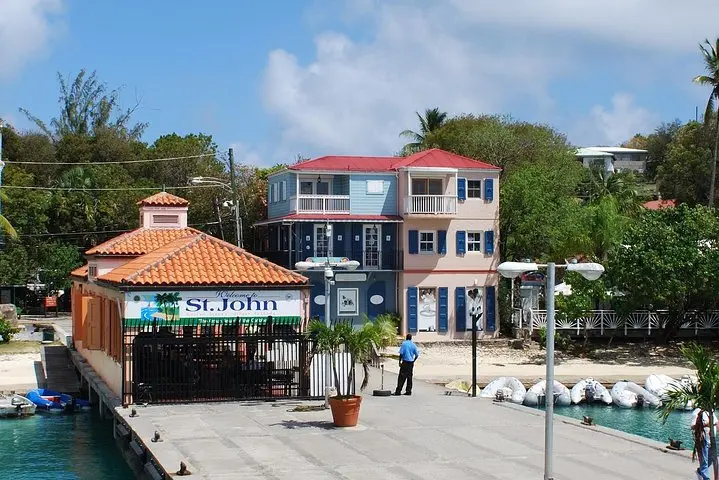
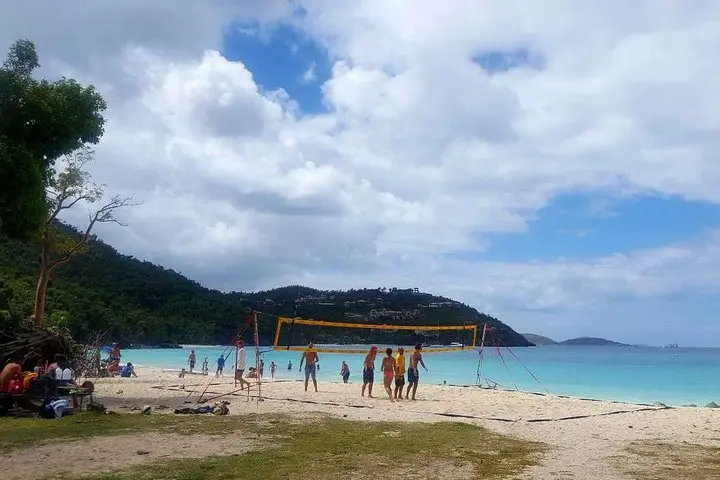
When the ferry slips away from St. Thomas and the channel narrows, St. John rises like a green bruise against the horizon—jagged ridgelines giving way to cliffs that plunge into water the color of cut glass. You step off at Cruz Bay and a compact tour bus is waiting, the driver already scanning the sky for wind and the ocean for that one perfect shade of blue that often steals afternoons here.
Verified experiences and guided adventures in the surrounding area.
Operated by Great Exploration Tours · Cruz Bay, U.S. Virgin Islands
When the ferry slips away from St. Thomas and the channel narrows, St. John rises like a green bruise against the horizon—jagged ridgelines giving way to cliffs that plunge into water the color of cut glass. You step off at Cruz Bay and a compact tour bus is waiting, the driver already scanning the sky for wind and the ocean for that one perfect shade of blue that often steals afternoons here.
The route reads like a primer on the island: quick overlooks that frame Caneel Bay and Trunk Bay, a slow pull through the coastal lowland where palms skitter in trade winds, and a longer stop at Annaberg Plantation where the stone ruins keep their own record of industry and suffering. The sugar mill’s remnants—an oven blackened by time, the windmill stump—are quiet evidence of a late 18th-century economy built on Danish ownership and enslaved labor. Your guide shades the factual account with local voices, pointing to the ways the landscape itself remembers; terraces and cisterns trace how people reshaped water and soil to squeeze a living from steep ground.
Geologically, St. John is a lesson in contrasts: volcanic basalts from ancient eruptions overlain by coral limestone where the sea once climbed higher. That geological duet makes for steep ridges just inland and broad fringing reefs offshore—reef systems that give Trunk Bay its celebrated underwater trail. The National Park, which covers over half the island, protects both forested slopes and marine habitats; when you stand at an overlook you can watch currents stitch color across the reef.
Practicalities are simple but important. The excursion runs about 2–3 hours; park admission is included but ferry fare to and from St. John is not (roundtrip about $16.30). Stops are short—expect 15–60 minutes at vantage points and the plantation—so pack light and move quickly if you want to explore. Wear sturdy sandals or trainers: the plantation surfaces are uneven and beach access at some overlooks requires a short walk over sand and rock. Sunscreen, a refillable water bottle, and reef-safe sunscreen are non-negotiable in this climate.
Timing matters: mornings bring calmer seas and softer light for photos; cruise ship schedules and local traffic can compress stops, so confirm pickup details in advance. For travelers who want to linger, consider returning to Cruz Bay after the tour to rent snorkel gear or walk the nearby shore trails—St. John rewards those willing to slow down.
The island doesn’t demand drama to impress. It shows you, in clear water and old stone, how people and place have met and changed each other—sometimes gently, sometimes violently—and leaves you with the clean, immediate knowledge of a day spent outside.
No. The tour includes park fees and transport on St. John, but roundtrip ferry tickets between St. Thomas and St. John must be purchased separately (about $16.30 roundtrip).
The tour runs approximately 2–3 hours with stops ranging from 15 minutes at overlooks to about 60 minutes at the Visitor Center; Annaberg typically gets ~20 minutes for self-guided exploration.
Children can visit but surfaces at Annaberg are uneven and there are no paved paths—those with significant mobility issues may find access difficult.
Yes. The tour price covers Virgin Islands National Park fees where applicable; ferry fare remains the traveler’s responsibility.
Yes. The operator offers pickup options for selected cruise terminals—confirm docking and disembarkation times at booking and arrange pickup at least 72 hours in advance if required.
Expect seabirds like brown pelicans, reef fish while snorkeling near Trunk Bay, and common island species such as iguanas; large marine mammals are occasional and not guaranteed.
Great Exploration Tours operates guided outdoor trips and adventures with an emphasis on safety, stewardship, and memorable experiences.

When the ferry slips away from St. Thomas and the channel narrows, St. John rises like a green bruise against the horizon—jagged ridgelines giving way to cliffs that plunge into water the color of cut glass. You step off at Cruz Bay and a compact tour bus is waiting, the driver already scanning the sky for wind and the ocean for that one perfect shade of blue that often steals afternoons here.
When the ferry slips away from St. Thomas and the channel narrows, St. John rises like a green bruise against the horizon—jagged ridgelines giving way to cliffs that plunge into water the color of cut glass. You step off at Cruz Bay and a compact tour bus is waiting, the driver already scanning the sky for wind and the ocean for that one perfect shade of blue that often steals afternoons here.
The route reads like a primer on the island: quick overlooks that frame Caneel Bay and Trunk Bay, a slow pull through the coastal lowland where palms skitter in trade winds, and a longer stop at Annaberg Plantation where the stone ruins keep their own record of industry and suffering. The sugar mill’s remnants—an oven blackened by time, the windmill stump—are quiet evidence of a late 18th-century economy built on Danish ownership and enslaved labor. Your guide shades the factual account with local voices, pointing to the ways the landscape itself remembers; terraces and cisterns trace how people reshaped water and soil to squeeze a living from steep ground.
Geologically, St. John is a lesson in contrasts: volcanic basalts from ancient eruptions overlain by coral limestone where the sea once climbed higher. That geological duet makes for steep ridges just inland and broad fringing reefs offshore—reef systems that give Trunk Bay its celebrated underwater trail. The National Park, which covers over half the island, protects both forested slopes and marine habitats; when you stand at an overlook you can watch currents stitch color across the reef.
Practicalities are simple but important. The excursion runs about 2–3 hours; park admission is included but ferry fare to and from St. John is not (roundtrip about $16.30). Stops are short—expect 15–60 minutes at vantage points and the plantation—so pack light and move quickly if you want to explore. Wear sturdy sandals or trainers: the plantation surfaces are uneven and beach access at some overlooks requires a short walk over sand and rock. Sunscreen, a refillable water bottle, and reef-safe sunscreen are non-negotiable in this climate.
Timing matters: mornings bring calmer seas and softer light for photos; cruise ship schedules and local traffic can compress stops, so confirm pickup details in advance. For travelers who want to linger, consider returning to Cruz Bay after the tour to rent snorkel gear or walk the nearby shore trails—St. John rewards those willing to slow down.
The island doesn’t demand drama to impress. It shows you, in clear water and old stone, how people and place have met and changed each other—sometimes gently, sometimes violently—and leaves you with the clean, immediate knowledge of a day spent outside.