THE ADVENTURE COLLECTIVE® · Independent discovery and booking for outdoor travel

Step through the iron gate into a quiet plot of New Orleans history. This 90-minute guided walk through St. Louis Cemetery No. 3 mixes local biography, funerary architecture, and preservation insights for an accessible, informative outing.
Step through the iron gate into a quiet plot of New Orleans history. This 90-minute guided walk through St. Louis Cemetery No. 3 mixes local biography, funerary architecture, and preservation insights for an accessible, informative outing.
You enter through an iron gate and the city noise thins; live oaks lean over brick alleys, their roots keeping time with the mortar and memorials. The air carries Louisiana humidity and the faint tang of nearby Bayou St. John, which seems to dare you to slow down and read the headstones.
Verified experiences and guided adventures in the surrounding area.
Operated by Save Our Cemeteries · New Orleans, Louisiana
You enter through an iron gate and the city noise thins; live oaks lean over brick alleys, their roots keeping time with the mortar and memorials. The air carries Louisiana humidity and the faint tang of nearby Bayou St. John, which seems to dare you to slow down and read the headstones.
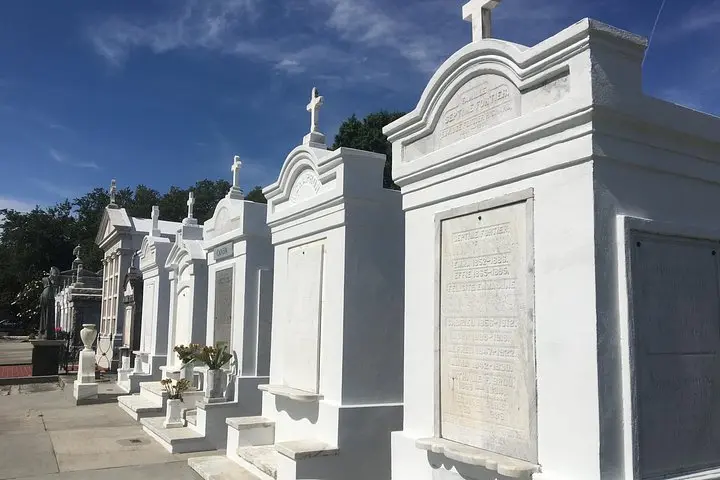
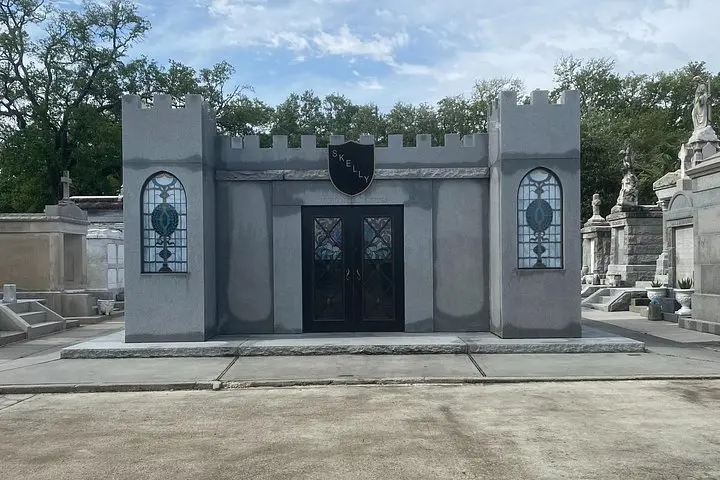
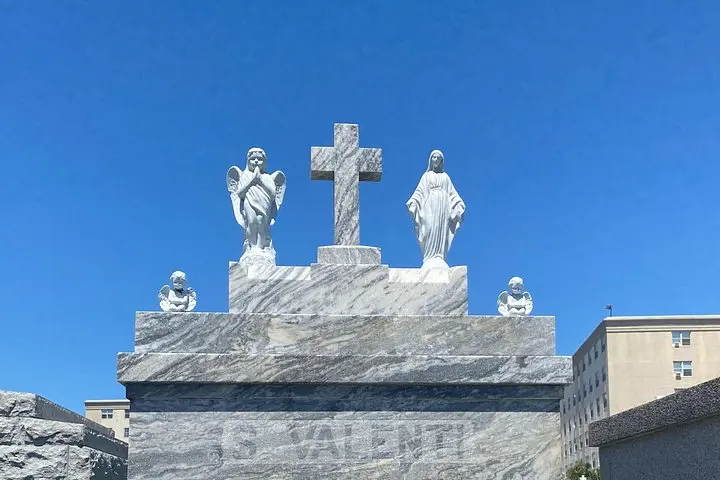
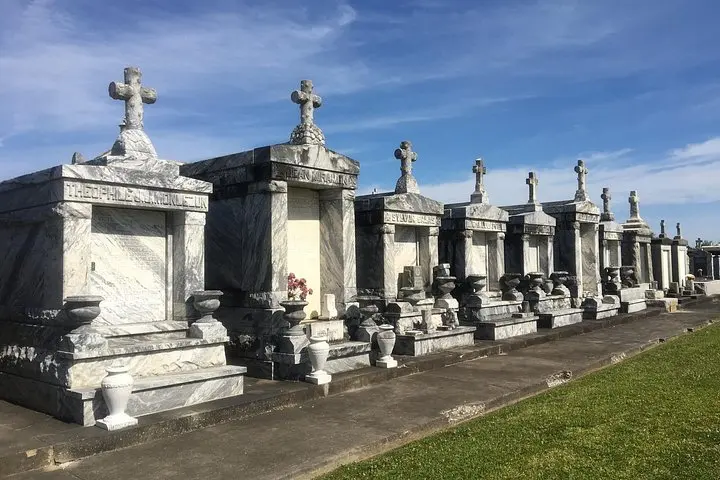
St. Louis Cemetery No. 3 opened in the 19th century as New Orleans expanded beyond its older graveyards. Rows of above-ground tombs reflect the city’s French and Spanish colonial burial practices and the practical response to a high water table. The cemetery is a compact record of local life: architects who shaped the city, Storyville photographers, and chefs who defined the region’s food scene.
On a guided walk you’ll hear stories that connect architecture and ritual, and learn how restoration efforts from the non-profit Save Our Cemeteries stabilize fragile stone and preserve inscriptions. The cemetery’s soils, shaped by bayous and historic drainage, make above-ground interment both cultural and pragmatic.
Practical guidance: tours are about 90 minutes, small-group and accessible, with a meeting point at the main gate fountain on Esplanade Avenue. Photography is allowed but respectful behavior is required; the nonprofit asks visitors to stay on paths and avoid touching fragile monuments. Bring a refillable water bottle, sun protection, and comfortable shoes—paving can be uneven. If fewer than four guests register 12 hours before the start the tour may be canceled, so check confirmation emails. For anyone interested in New Orleans history, canal systems, or funerary art, this walk pairs crisp local context with easy, immersive exploration.
Yes—Save Our Cemeteries notes wheelchair and stroller accessibility for surfaces and paths at St. Louis No. 3.
Photography is permitted but please be respectful: avoid stepping on graves, touching fragile monuments, or blocking pathways.
If fewer than four guests sign up 12 hours prior or severe weather threatens, you'll receive an email and be offered a refund per the cancellation policy.
Yes—families with older children who can follow guidance are welcome; infants may be in strollers as noted by the operator.
Save Our Cemeteries operates guided outdoor trips and adventures with an emphasis on safety, stewardship, and memorable experiences.
You enter through an iron gate and the city noise thins; live oaks lean over brick alleys, their roots keeping time with the mortar and memorials. The air carries Louisiana humidity and the faint tang of nearby Bayou St. John, which seems to dare you to slow down and read the headstones.
You enter through an iron gate and the city noise thins; live oaks lean over brick alleys, their roots keeping time with the mortar and memorials. The air carries Louisiana humidity and the faint tang of nearby Bayou St. John, which seems to dare you to slow down and read the headstones.
St. Louis Cemetery No. 3 opened in the 19th century as New Orleans expanded beyond its older graveyards. Rows of above-ground tombs reflect the city’s French and Spanish colonial burial practices and the practical response to a high water table. The cemetery is a compact record of local life: architects who shaped the city, Storyville photographers, and chefs who defined the region’s food scene.
On a guided walk you’ll hear stories that connect architecture and ritual, and learn how restoration efforts from the non-profit Save Our Cemeteries stabilize fragile stone and preserve inscriptions. The cemetery’s soils, shaped by bayous and historic drainage, make above-ground interment both cultural and pragmatic.
Practical guidance: tours are about 90 minutes, small-group and accessible, with a meeting point at the main gate fountain on Esplanade Avenue. Photography is allowed but respectful behavior is required; the nonprofit asks visitors to stay on paths and avoid touching fragile monuments. Bring a refillable water bottle, sun protection, and comfortable shoes—paving can be uneven. If fewer than four guests register 12 hours before the start the tour may be canceled, so check confirmation emails. For anyone interested in New Orleans history, canal systems, or funerary art, this walk pairs crisp local context with easy, immersive exploration.