THE ADVENTURE COLLECTIVE® · Independent discovery and booking for outdoor travel

Walk a mile of downtown St. Louis after dark and hear documented hauntings tied to Soldiers Memorial, Stifel Theatre, Union Station and more. This one-hour guided tour blends local history with ghost stories for a brisk, accessible night walk.
Walk a mile of downtown St. Louis after dark and hear documented hauntings tied to Soldiers Memorial, Stifel Theatre, Union Station and more. This one-hour guided tour blends local history with ghost stories for a brisk, accessible night walk.
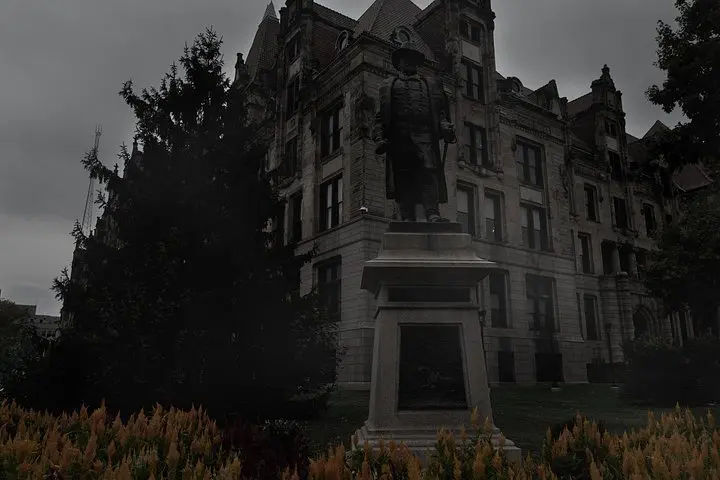
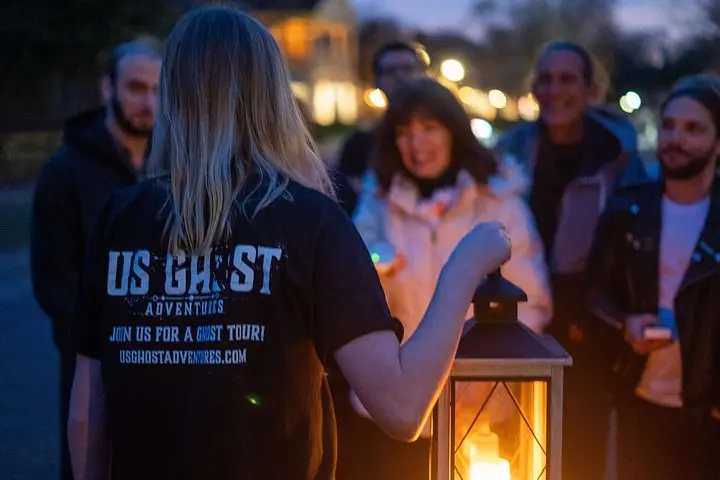
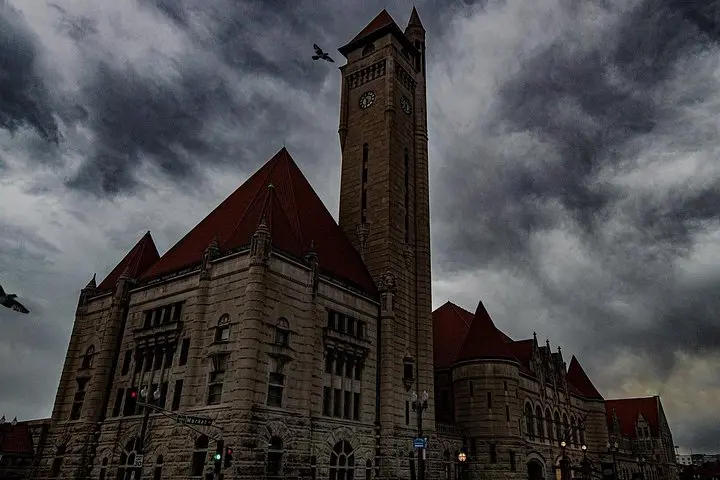
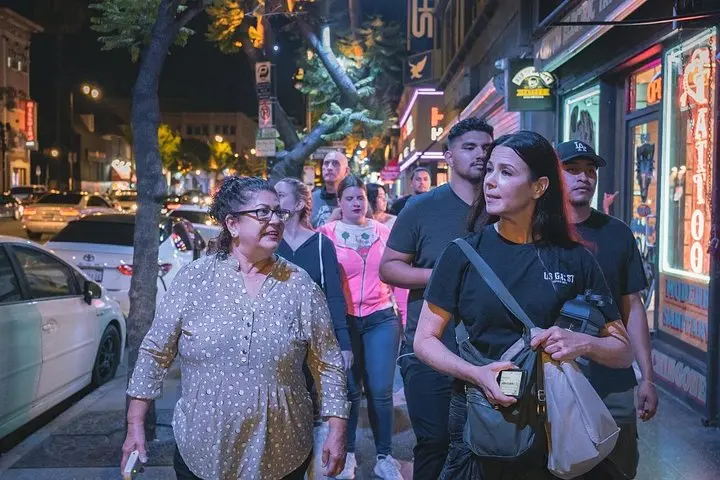
You step off the curb as dusk thins into a chill that the streetlamps can't quite banish. Downtown St. Louis breathes around you—masonry facades, theater marquees, and the distant rumble of the river daring you to look away. For the next hour you'll walk roughly a mile past sites where history and rumor collide: Soldiers Memorial, the Stifel Theatre, Washington Square Park, Kaufman Park, the Campbell House Museum and the old Union Station.
Verified experiences and guided adventures in the surrounding area.
Operated by St. Louis Ghosts · St. Louis, Missouri
You step off the curb as dusk thins into a chill that the streetlamps can't quite banish. Downtown St. Louis breathes around you—masonry facades, theater marquees, and the distant rumble of the river daring you to look away. For the next hour you'll walk roughly a mile past sites where history and rumor collide: Soldiers Memorial, the Stifel Theatre, Washington Square Park, Kaufman Park, the Campbell House Museum and the old Union Station.
St. Louis is layered with 19th- and early-20th-century architecture tied to westward expansion, railroads and civic ceremony. The Soldiers Memorial honors those lost in war; its stately steps and echoing halls provide the kind of setting that spawns stories. Union Station's train sheds and marble halls recall a busier age—perfect soil for urban legends. Local culture—immigrant neighborhoods, theatrical traditions and civic pride—shapes the tales you hear.
Expect flat, paved sidewalks and well-lit streets punctuated by older stonework and occasional cobbles near the station. The guide will weave documented accounts with intensely researched local lore; private buildings aren't entered. The walk moves at an easy but steady pace and is wheelchair accessible, though some streets may be uneven.
Practical tips: bring a light jacket (nights are cooler near the river), wear sturdy shoes, and charge your phone for photos. Keep an open but critical mind—history anchors the stories—stay with the group, and respect signage and private property. In sixty minutes you’ll leave with a sharper sense of the city’s past and a few stories that will keep you glancing over your shoulder.
The tour runs approximately 60 minutes and covers about one mile of downtown sidewalks and plazas.
Yes—routes are designed to be wheelchair accessible, though some older pavement and curb cuts may be encountered.
No—this is an outdoor walking tour; private buildings are viewed from the exterior and not entered.
While families attend, the content can be intense; organizers advise caution for those with cardiovascular issues and suggest discretion for young children.
St. Louis Ghosts operates guided outdoor trips and adventures with an emphasis on safety, stewardship, and memorable experiences.
You step off the curb as dusk thins into a chill that the streetlamps can't quite banish. Downtown St. Louis breathes around you—masonry facades, theater marquees, and the distant rumble of the river daring you to look away. For the next hour you'll walk roughly a mile past sites where history and rumor collide: Soldiers Memorial, the Stifel Theatre, Washington Square Park, Kaufman Park, the Campbell House Museum and the old Union Station.
You step off the curb as dusk thins into a chill that the streetlamps can't quite banish. Downtown St. Louis breathes around you—masonry facades, theater marquees, and the distant rumble of the river daring you to look away. For the next hour you'll walk roughly a mile past sites where history and rumor collide: Soldiers Memorial, the Stifel Theatre, Washington Square Park, Kaufman Park, the Campbell House Museum and the old Union Station.
St. Louis is layered with 19th- and early-20th-century architecture tied to westward expansion, railroads and civic ceremony. The Soldiers Memorial honors those lost in war; its stately steps and echoing halls provide the kind of setting that spawns stories. Union Station's train sheds and marble halls recall a busier age—perfect soil for urban legends. Local culture—immigrant neighborhoods, theatrical traditions and civic pride—shapes the tales you hear.
Expect flat, paved sidewalks and well-lit streets punctuated by older stonework and occasional cobbles near the station. The guide will weave documented accounts with intensely researched local lore; private buildings aren't entered. The walk moves at an easy but steady pace and is wheelchair accessible, though some streets may be uneven.
Practical tips: bring a light jacket (nights are cooler near the river), wear sturdy shoes, and charge your phone for photos. Keep an open but critical mind—history anchors the stories—stay with the group, and respect signage and private property. In sixty minutes you’ll leave with a sharper sense of the city’s past and a few stories that will keep you glancing over your shoulder.