THE ADVENTURE COLLECTIVE® · Independent discovery and booking for outdoor travel

Trace the path from plantation soil to your mug and chocolate bar on a six-hour farm tour in Saint Lucia. Learn processing steps, taste methodically, and craft your own hand-poured chocolate to take home.
Trace the path from plantation soil to your mug and chocolate bar on a six-hour farm tour in Saint Lucia. Learn processing steps, taste methodically, and craft your own hand-poured chocolate to take home.
You arrive under a lattice of tropical canopy, heat lifting off the dark soil as the smell of roasted coffee and warm cocoa threads through the air. Workers move between sunlit terraces and shaded fermentation beds, while a guide gestures toward a line of drying beans and explains the next step in their transformation. The place feels alive — soil and steam conspiring to make flavor.
Verified experiences and guided adventures in the surrounding area.
Operated by Lush Excursions · Soufrière, Saint Lucia
You arrive under a lattice of tropical canopy, heat lifting off the dark soil as the smell of roasted coffee and warm cocoa threads through the air. Workers move between sunlit terraces and shaded fermentation beds, while a guide gestures toward a line of drying beans and explains the next step in their transformation. The place feels alive — soil and steam conspiring to make flavor.
Saint Lucia’s coffee and cocoa trace back to colonial-era plantations; volcanic soils and steady rainfall around the island’s western slopes create the acidity and complexity prized in both crops. Many estates grew as mixed smallholdings, and on tours visitors see relics of that history in modest museum displays and manor-house architecture.
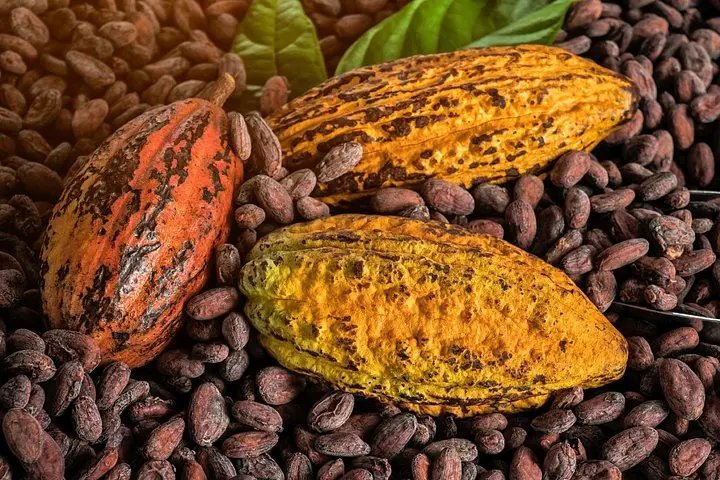
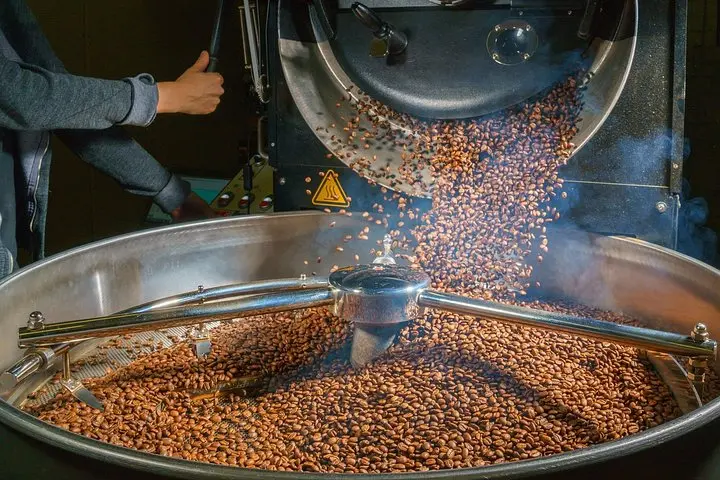
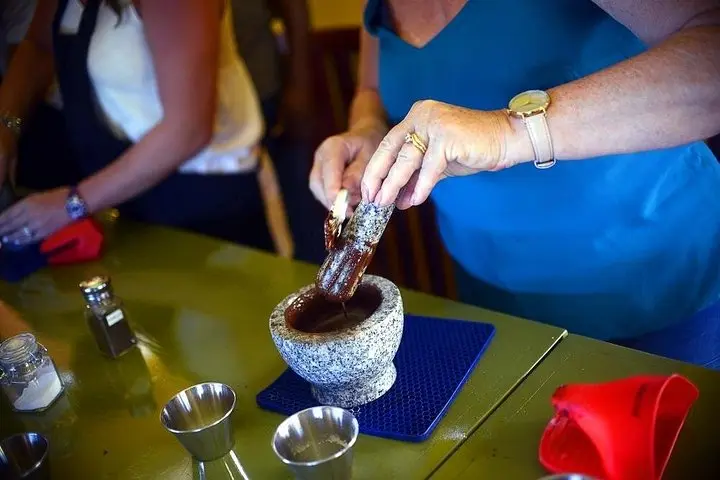
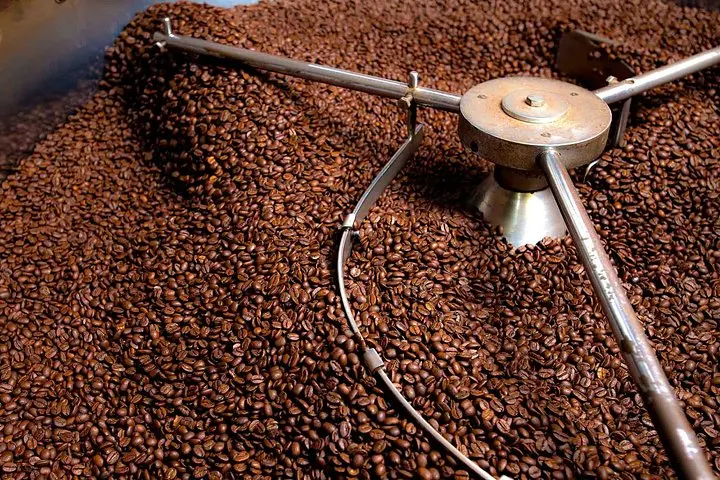
On a combined crop-to-cup and bean-to-bar visit, expect a slow, sensory itinerary: a walk through shade-grown trees, a stop at fermentation and drying racks, a factory demonstration showing roasting, grinding, conching, and tempering, then hands-on chocolate molding. Tasting sessions—cupping for coffee and sampling different chocolate percentages—teach you to read aroma, texture, and finish.
Locally, coffee and cocoa fuel community economies: family growers, artisanal roasters, and small chocolate houses. Sustainable practices such as shade growing and small-batch fermentation are increasingly common, and purchasing directly supports those producers.
Practical notes: this is an easy, largely flat experience with light walking across uneven ground; allow about six hours for the full program including tastings. Bring closed-toe shoes, sun protection and a refillable water bottle, and flag any dietary or nut allergies before arrival. Reserve ahead during high season and plan for brief rain showers—tropical weather can change on the hour.
The full crop-to-cup and bean-to-bar experience runs about six hours, including guided walks, factory demonstrations, tasting sessions, and the hands-on chocolate activity.
Most operators welcome families, but younger children may need supervision during the hands-on tempering and molding stages; confirm age policies when booking.
Yes—freshly roasted coffee, chocolate bars, and related souvenirs are typically available for purchase directly from the estate or shop.
Notify the tour operator ahead of time; many providers can accommodate or adjust tastings and hands-on activities to avoid allergens.
Lush Excursions operates guided outdoor trips and adventures with an emphasis on safety, stewardship, and memorable experiences.
You arrive under a lattice of tropical canopy, heat lifting off the dark soil as the smell of roasted coffee and warm cocoa threads through the air. Workers move between sunlit terraces and shaded fermentation beds, while a guide gestures toward a line of drying beans and explains the next step in their transformation. The place feels alive — soil and steam conspiring to make flavor.
You arrive under a lattice of tropical canopy, heat lifting off the dark soil as the smell of roasted coffee and warm cocoa threads through the air. Workers move between sunlit terraces and shaded fermentation beds, while a guide gestures toward a line of drying beans and explains the next step in their transformation. The place feels alive — soil and steam conspiring to make flavor.
Saint Lucia’s coffee and cocoa trace back to colonial-era plantations; volcanic soils and steady rainfall around the island’s western slopes create the acidity and complexity prized in both crops. Many estates grew as mixed smallholdings, and on tours visitors see relics of that history in modest museum displays and manor-house architecture.
On a combined crop-to-cup and bean-to-bar visit, expect a slow, sensory itinerary: a walk through shade-grown trees, a stop at fermentation and drying racks, a factory demonstration showing roasting, grinding, conching, and tempering, then hands-on chocolate molding. Tasting sessions—cupping for coffee and sampling different chocolate percentages—teach you to read aroma, texture, and finish.
Locally, coffee and cocoa fuel community economies: family growers, artisanal roasters, and small chocolate houses. Sustainable practices such as shade growing and small-batch fermentation are increasingly common, and purchasing directly supports those producers.
Practical notes: this is an easy, largely flat experience with light walking across uneven ground; allow about six hours for the full program including tastings. Bring closed-toe shoes, sun protection and a refillable water bottle, and flag any dietary or nut allergies before arrival. Reserve ahead during high season and plan for brief rain showers—tropical weather can change on the hour.