THE ADVENTURE COLLECTIVE® · Independent discovery and booking for outdoor travel

Glide the St. Lucia Estuary at dawn and watch hippos and crocodiles claim the shallows. This half-day tour from Durban blends coastal scenery, wildlife viewing and local insights into UNESCO-listed iSimangaliso.
Glide the St. Lucia Estuary at dawn and watch hippos and crocodiles claim the shallows. This half-day tour from Durban blends coastal scenery, wildlife viewing and local insights into UNESCO-listed iSimangaliso.
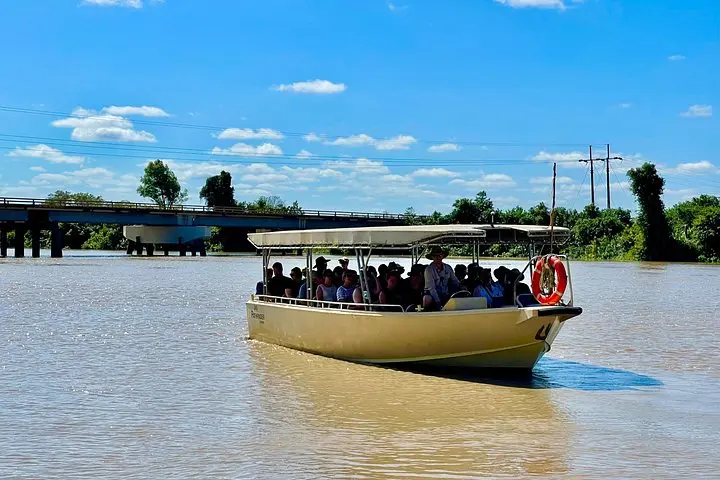
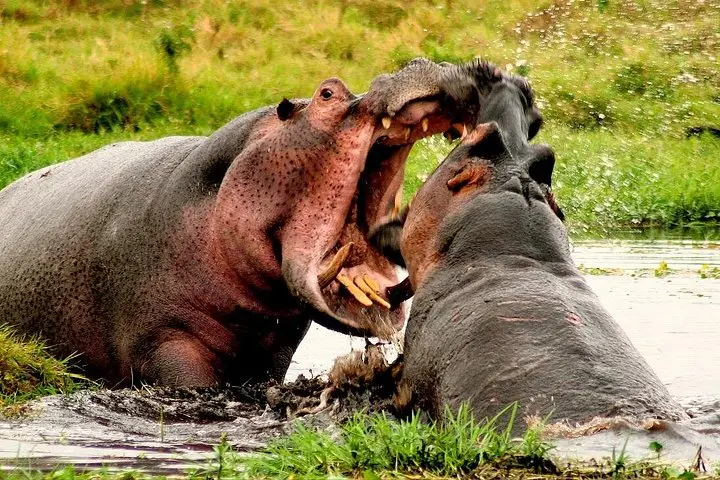
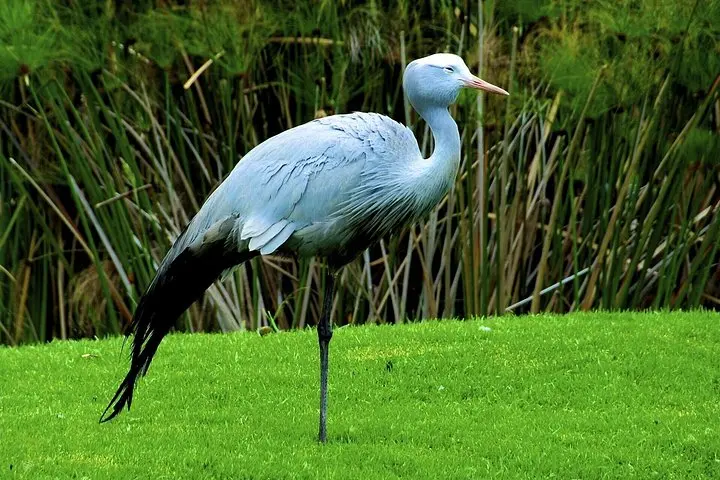
You leave Durban before sunup, the city shrinking behind the coach as coastal highway winds toward the wide mouth of the St. Lucia Estuary. On the water, mist lifts and the estuary seems to breathe — hippos surface like slow islands and crocodiles sun themselves on low banks, indifferent and ancient. The boat slips forward and the mangroves close ranks, currents nudging the hull as birds wheel overhead.
Verified experiences and guided adventures in the surrounding area.
Operated by Cape Touring · St Lucia, KwaZulu-Natal
You leave Durban before sunup, the city shrinking behind the coach as coastal highway winds toward the wide mouth of the St. Lucia Estuary. On the water, mist lifts and the estuary seems to breathe — hippos surface like slow islands and crocodiles sun themselves on low banks, indifferent and ancient. The boat slips forward and the mangroves close ranks, currents nudging the hull as birds wheel overhead.
The estuary sits inside iSimangaliso Wetland Park, South Africa’s first UNESCO-listed coastal reserve. Geologically, the system is a long coastal lagoon shaped by dunes, tidal flow and river inputs; biologically it stitches together subtropical dune forest, reed beds and open water. The town of St. Lucia grew as a small harbor and now serves communities tied to fishing and conservation — Zulu cultural influences remain visible in local markets and craft stalls.
For visitors the cruise is straightforward: expect close-but-respectful wildlife viewing from a low, open boat with a licensed guide narrating animal behavior and habitat dynamics. Photo opportunities are best early or late light; mid-day glare flattens color. Operators follow park rules — no feeding or chasing wildlife — so encounters are observational, not intrusive.
Practical notes: this tour includes pickup in Durban and a lunch stop after the cruise; total travel time makes it effectively a full morning or afternoon outing. Bring binoculars, sun protection, and motion-sickness remedies if you’re sensitive. Move quietly on deck and let the estuary set the pace — the animals will decide how close they’ll allow you to come.
The excursion includes a guided boat cruise on the St. Lucia Estuary of roughly 1–1.5 hours, with additional time for transfers and a lunch break—expect a 6–8 hour day overall.
Guides aim to position boats where animals are active, and hippos and crocs are common, but wildlife sightings cannot be guaranteed and depend on time of day and animal behavior.
Yes—operators list wheelchair-accessible transportation and boarding options, but notify the tour in advance to confirm arrangements and any assistance needed.
The tour includes a lunch break after the cruise, but check the booking details for specific inclusions or dietary requests before departure.
Cape Touring operates guided outdoor trips and adventures with an emphasis on safety, stewardship, and memorable experiences.

You leave Durban before sunup, the city shrinking behind the coach as coastal highway winds toward the wide mouth of the St. Lucia Estuary. On the water, mist lifts and the estuary seems to breathe — hippos surface like slow islands and crocodiles sun themselves on low banks, indifferent and ancient. The boat slips forward and the mangroves close ranks, currents nudging the hull as birds wheel overhead.
You leave Durban before sunup, the city shrinking behind the coach as coastal highway winds toward the wide mouth of the St. Lucia Estuary. On the water, mist lifts and the estuary seems to breathe — hippos surface like slow islands and crocodiles sun themselves on low banks, indifferent and ancient. The boat slips forward and the mangroves close ranks, currents nudging the hull as birds wheel overhead.
The estuary sits inside iSimangaliso Wetland Park, South Africa’s first UNESCO-listed coastal reserve. Geologically, the system is a long coastal lagoon shaped by dunes, tidal flow and river inputs; biologically it stitches together subtropical dune forest, reed beds and open water. The town of St. Lucia grew as a small harbor and now serves communities tied to fishing and conservation — Zulu cultural influences remain visible in local markets and craft stalls.
For visitors the cruise is straightforward: expect close-but-respectful wildlife viewing from a low, open boat with a licensed guide narrating animal behavior and habitat dynamics. Photo opportunities are best early or late light; mid-day glare flattens color. Operators follow park rules — no feeding or chasing wildlife — so encounters are observational, not intrusive.
Practical notes: this tour includes pickup in Durban and a lunch stop after the cruise; total travel time makes it effectively a full morning or afternoon outing. Bring binoculars, sun protection, and motion-sickness remedies if you’re sensitive. Move quietly on deck and let the estuary set the pace — the animals will decide how close they’ll allow you to come.