THE ADVENTURE COLLECTIVE® · Independent discovery and booking for outdoor travel

Glide the St Lucia Estuary at dawn to watch hippos and crocodiles in one of Africa’s largest estuaries. This day trip from Richards Bay combines wildlife viewing, guided interpretation, and accessible boating through iSimangaliso Wetland Park.
Glide the St Lucia Estuary at dawn to watch hippos and crocodiles in one of Africa’s largest estuaries. This day trip from Richards Bay combines wildlife viewing, guided interpretation, and accessible boating through iSimangaliso Wetland Park.
Early light slants across the St Lucia Estuary and the river surface pulls itself into bright, moving silver. The boat slips away from Richards Bay, engines low, and the estuary’s channels open like pages of a living map—hips of mud, reeds stuttering in the breeze, and the low, amphibious silhouettes of hippos claiming the shallows.
Verified experiences and guided adventures in the surrounding area.
Operated by African Cape Safaris · St Lucia, KwaZulu-Natal
Early light slants across the St Lucia Estuary and the river surface pulls itself into bright, moving silver. The boat slips away from Richards Bay, engines low, and the estuary’s channels open like pages of a living map—hips of mud, reeds stuttering in the breeze, and the low, amphibious silhouettes of hippos claiming the shallows.
The iSimangaliso Wetland Park, South Africa’s first UNESCO-listed wetland, records a coastline shaped by ancient sea-level changes and longshore currents; its estuary system is the largest on the continent and a crossroads for mangroves, riverine forest and coastal dune. Local Zulu communities and colonial port history are threaded through the area, and the park’s name—iSimangaliso—means “miracle” or “wonder” in isiZulu, a reminder of both cultural ties and fragile ecology.
On the cruise you’ll watch crocodiles sunning on banks, pods of hippos surfacing in rhythm, and flocks of herons and eagles moving like punctuation above the reedbeds. Guides interpret behaviour and point to subtle signs—hippo tracks, nesting sites, tidal channels—that reveal how the estuary breathes.
Practicalities: expect a full-day outing (pickups from Richards Bay), sunscreen, a wide-brim hat, and a camera with a zoom for safe-distance photos. The boat is wheelchair accessible and suitable for most fitness levels; bring binoculars and layers for changing winds. Respect wildlife distances, follow guide instructions, and plan for a short lunch break after the cruise. This is a high-reward, low-impact way to experience one of South Africa’s richest aquatic habitats.
The tour is approximately 7 hours including transport, the boat cruise, and a short lunch break; exact timings depend on pickup location.
Wildlife sightings are highly likely—hippos and crocodiles are common in the estuary—but sightings cannot be guaranteed since animals move freely.
Yes; the operator lists wheelchair-accessible transportation and surfaces, but confirm specific pickup and boarding arrangements when booking.
Yes; the cruise is family-friendly but infants must sit on an adult’s lap and children should follow guide safety instructions at all times.
African Cape Safaris operates guided outdoor trips and adventures with an emphasis on safety, stewardship, and memorable experiences.

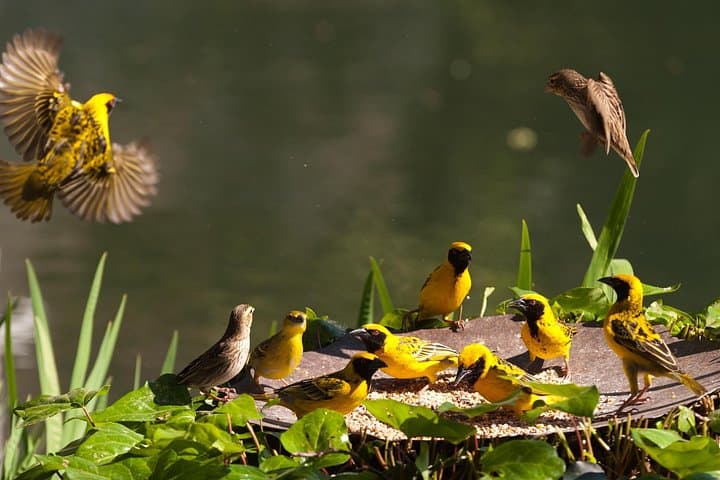


Early light slants across the St Lucia Estuary and the river surface pulls itself into bright, moving silver. The boat slips away from Richards Bay, engines low, and the estuary’s channels open like pages of a living map—hips of mud, reeds stuttering in the breeze, and the low, amphibious silhouettes of hippos claiming the shallows.
Early light slants across the St Lucia Estuary and the river surface pulls itself into bright, moving silver. The boat slips away from Richards Bay, engines low, and the estuary’s channels open like pages of a living map—hips of mud, reeds stuttering in the breeze, and the low, amphibious silhouettes of hippos claiming the shallows.
The iSimangaliso Wetland Park, South Africa’s first UNESCO-listed wetland, records a coastline shaped by ancient sea-level changes and longshore currents; its estuary system is the largest on the continent and a crossroads for mangroves, riverine forest and coastal dune. Local Zulu communities and colonial port history are threaded through the area, and the park’s name—iSimangaliso—means “miracle” or “wonder” in isiZulu, a reminder of both cultural ties and fragile ecology.
On the cruise you’ll watch crocodiles sunning on banks, pods of hippos surfacing in rhythm, and flocks of herons and eagles moving like punctuation above the reedbeds. Guides interpret behaviour and point to subtle signs—hippo tracks, nesting sites, tidal channels—that reveal how the estuary breathes.
Practicalities: expect a full-day outing (pickups from Richards Bay), sunscreen, a wide-brim hat, and a camera with a zoom for safe-distance photos. The boat is wheelchair accessible and suitable for most fitness levels; bring binoculars and layers for changing winds. Respect wildlife distances, follow guide instructions, and plan for a short lunch break after the cruise. This is a high-reward, low-impact way to experience one of South Africa’s richest aquatic habitats.