THE ADVENTURE COLLECTIVE® · Independent discovery and booking for outdoor travel

Cruise the St Lucia Estuary at first light to see hippos, crocodiles and rich mangrove life up close. This half-day tour from Durban combines easy mobility with powerful wildlife encounters and expert local guides.
Cruise the St Lucia Estuary at first light to see hippos, crocodiles and rich mangrove life up close. This half-day tour from Durban combines easy mobility with powerful wildlife encounters and expert local guides.
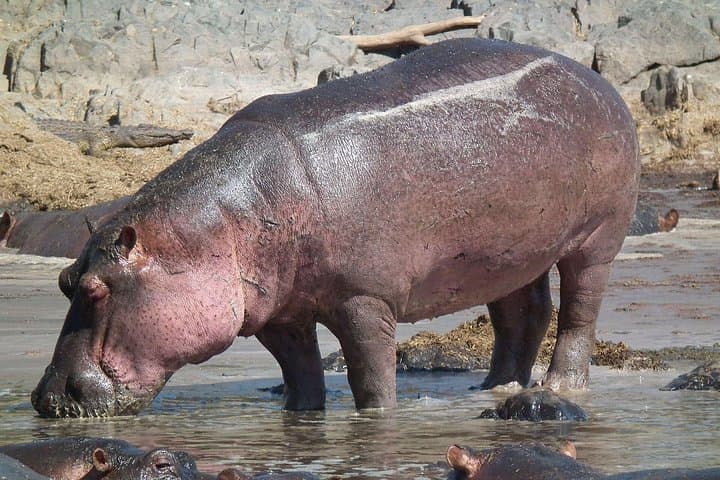
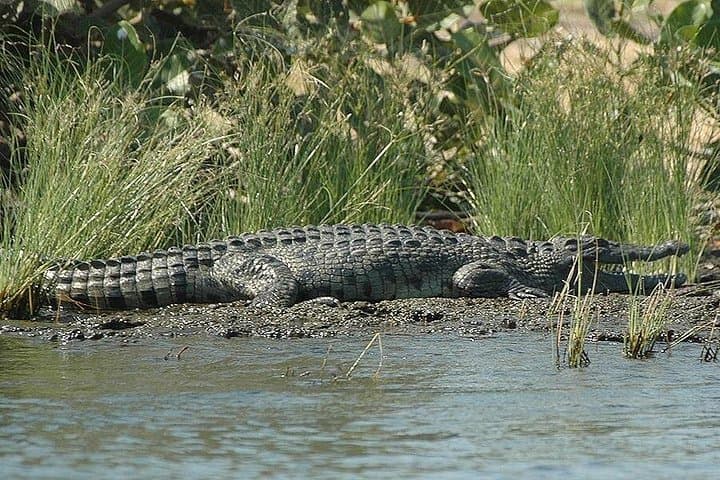
Early light slides across the St Lucia Estuary and the mangroves hold their breath. A low-hulled boat slips through glassy channels, hippos yawning in muddy shallows while crocodiles sun themselves on the banks, barely more than silhouettes at first light. The water seems to watch you back, pushing your wake into the roots and ruffling flocks of egrets.
Verified experiences and guided adventures in the surrounding area.
Operated by African Tournet Tours · St Lucia, KwaZulu-Natal
Early light slides across the St Lucia Estuary and the mangroves hold their breath. A low-hulled boat slips through glassy channels, hippos yawning in muddy shallows while crocodiles sun themselves on the banks, barely more than silhouettes at first light. The water seems to watch you back, pushing your wake into the roots and ruffling flocks of egrets.
iSimangaliso Wetland Park, South Africa’s first UNESCO World Heritage Site (1999), is a complex of estuaries, coastal dunes and marine habitat carved where freshwater rivers meet the Indian Ocean. The geology favors broad tidal flats and dense mangrove stands that trap sediment and create the estuary’s rich feeding grounds. Coastal Zulu communities have long read the estuary’s rhythms—fishers, shellfish gatherers and boatmen who know currents and animal behavior intimately.
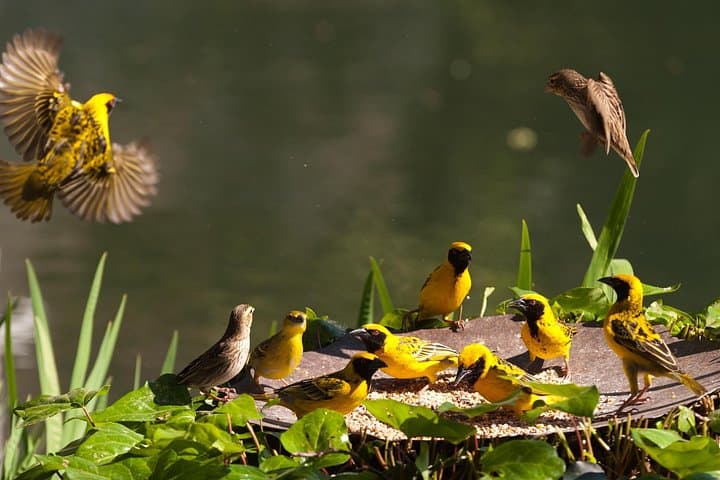
On a half-day cruise from Durban (departure often around 6:00 a.m.), guides navigate the estuary’s channels to bring you near pods of hippo and basking crocodiles while narrating local ecology and conservation challenges. Birdlife—African fish eagle, kingfishers and pelicans—threads the shoreline.
Practical notes: the tour is physically easy but long (about 7 hours including transport); expect several hours of sitting and stepping on/off a vessel. Bring binoculars, sunscreen, a light waterproof (summer brings sudden showers) and motion-sickness remedies if you’re prone. Listen to the guide: stay on designated platforms, don’t feed or approach wildlife, and keep cameras ready but respectful. Timing your visit for early morning or late afternoon gives the best light and the most active wildlife sightings.
The advertised duration is about 7 hours total and typically includes pick-up and drop-off from Durban within the stated radius—confirm your pickup point when booking.
Yes; the cruise accepts families but infants must sit on an adult’s lap and all guests should follow safety briefings and crew instructions.
The operator notes wheelchair-accessible options for transport and some surfaces, but boarding assistance may vary—contact the provider ahead to arrange specifics.
Sightings of hippos and crocodiles are common but not guaranteed; animal behavior varies with tide, season and time of day—early departures increase chances.
African Tournet Tours operates guided outdoor trips and adventures with an emphasis on safety, stewardship, and memorable experiences.

Early light slides across the St Lucia Estuary and the mangroves hold their breath. A low-hulled boat slips through glassy channels, hippos yawning in muddy shallows while crocodiles sun themselves on the banks, barely more than silhouettes at first light. The water seems to watch you back, pushing your wake into the roots and ruffling flocks of egrets.
Early light slides across the St Lucia Estuary and the mangroves hold their breath. A low-hulled boat slips through glassy channels, hippos yawning in muddy shallows while crocodiles sun themselves on the banks, barely more than silhouettes at first light. The water seems to watch you back, pushing your wake into the roots and ruffling flocks of egrets.
iSimangaliso Wetland Park, South Africa’s first UNESCO World Heritage Site (1999), is a complex of estuaries, coastal dunes and marine habitat carved where freshwater rivers meet the Indian Ocean. The geology favors broad tidal flats and dense mangrove stands that trap sediment and create the estuary’s rich feeding grounds. Coastal Zulu communities have long read the estuary’s rhythms—fishers, shellfish gatherers and boatmen who know currents and animal behavior intimately.
On a half-day cruise from Durban (departure often around 6:00 a.m.), guides navigate the estuary’s channels to bring you near pods of hippo and basking crocodiles while narrating local ecology and conservation challenges. Birdlife—African fish eagle, kingfishers and pelicans—threads the shoreline.
Practical notes: the tour is physically easy but long (about 7 hours including transport); expect several hours of sitting and stepping on/off a vessel. Bring binoculars, sunscreen, a light waterproof (summer brings sudden showers) and motion-sickness remedies if you’re prone. Listen to the guide: stay on designated platforms, don’t feed or approach wildlife, and keep cameras ready but respectful. Timing your visit for early morning or late afternoon gives the best light and the most active wildlife sightings.