THE ADVENTURE COLLECTIVE® · Independent discovery and booking for outdoor travel

Paddle through the Mangrove Lagoon as dusk becomes night on this 90-minute guided tour in St. Thomas. Guides illuminate local wildlife and explain the ecosystem while you glide under starry skies—ideal for travelers seeking an intimate, low-light adventure.
Paddle through the Mangrove Lagoon as dusk becomes night on this 90-minute guided tour in St. Thomas. Guides illuminate local wildlife and explain the ecosystem while you glide under starry skies—ideal for travelers seeking an intimate, low-light adventure.
The kayak slips forward like a whispered secret. Headlamps cut thin arcs across dark water while the mangroves lean in, their roots like fingers holding the lagoon together. In that hush—broken by a guide's quiet voice and the soft tapping of paddles—you realize the island has a night life most visitors never see: shorebirds settling into nests, crabs scuttling at the water’s edge, and the glassy surface suddenly bright with a scattering of small fish.
Verified experiences and guided adventures in the surrounding area.
Operated by Virgin Islands Ecotours · Charlotte Amalie, U.S. Virgin Islands
The kayak slips forward like a whispered secret. Headlamps cut thin arcs across dark water while the mangroves lean in, their roots like fingers holding the lagoon together. In that hush—broken by a guide's quiet voice and the soft tapping of paddles—you realize the island has a night life most visitors never see: shorebirds settling into nests, crabs scuttling at the water’s edge, and the glassy surface suddenly bright with a scattering of small fish.
St. Thomas's mangrove lagoons are young geologically but ancient in purpose. Formed where coral rubble meets riverine sediments, these sheltered channels collect nutrients and protect the shoreline from storm surge. Historically, indigenous peoples and later colonial settlers relied on mangrove-rich flats for fish and shelter; today the islands protect these stands because they buffer reefs and fisheries.
This 90-minute guided paddle threads you through shallow, tunneled waterways designed for two-person kayaks. Expect slow, deliberate progress—roughly 2–4 miles of paddling depending on tides and the group's pace—with repeated stops as the guide points out birds, mollusks, and nocturnal fish. The tour emphasizes ecology: guides explain how mangroves filter runoff, support juvenile fish, and anchor coastal communities against hurricanes.
Practical details matter when the sun goes down. Life jackets and kayaks are provided; basic paddling skill and moderate fitness make the outing enjoyable, but the route includes narrow channels and occasional shallow mud. Wear quick-drying layers and closed-toe water shoes; bring a waterproof headlamp or use the provided light for hands-free observation. Hydrate before you launch—bottled water is included—and apply insect repellent liberally. If you're prone to seasickness, take precautions: the lagoon is protected, but night paddling can feel different under low light.
The guides keep group sizes manageable and safe; the operator recommends contacting them ahead to confirm meeting details. Children eight and older can participate when accompanied by an adult. The best experience is timed to sunset and the hour after, when the sky deepens and nocturnal life rises.
Leave no trace: avoid touching roots or wildlife, keep noise low, and stow all trash. The mangroves are fragile and crucial to reef health. For photographers, aim for the blue hour and bring a camera with a wide aperture and steady hands—or a small tripod that can sit in the kayak. For travelers who want a different rhythm of St. Thomas, this tour offers a practical, intimate way to see an ecosystem that guards the island's coasts—quiet, alive, and surprisingly bold when the lights go out.
The minimum age is 8 years; children must be accompanied by an adult and are seated in two-person kayaks.
The outing lasts about 90 minutes; paddling distance depends on conditions but typically ranges from 2–4 miles (3–6 km) including slow exploration and stops.
No expert skills required—basic paddling ability and a moderate fitness level are recommended; guides provide instruction and safety briefing.
Bring a headlamp, closed-toe water shoes, insect repellent, and any medication you need; bottled water is provided.
The operator cancels tours for bad weather and low participation; you can cancel up to 24 hours ahead for a full refund per the policy.
You may see night-herons, mangrove crabs, and small fish; do not touch or disturb wildlife—guides will point things out and explain behaviors.
Virgin Islands Ecotours operates guided outdoor trips and adventures with an emphasis on safety, stewardship, and memorable experiences.
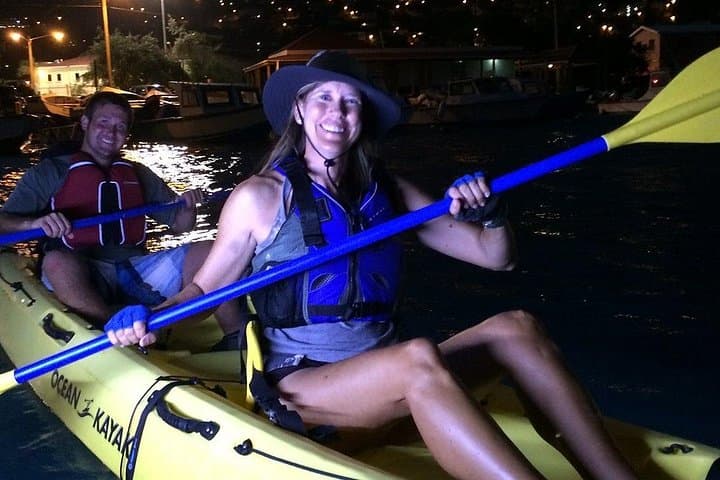
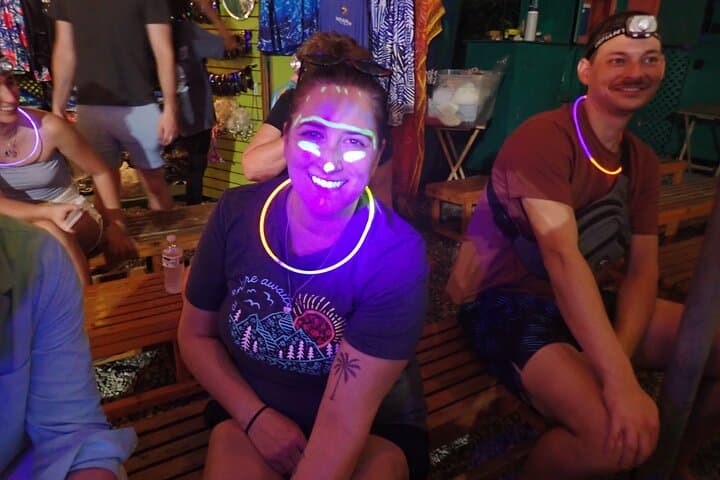
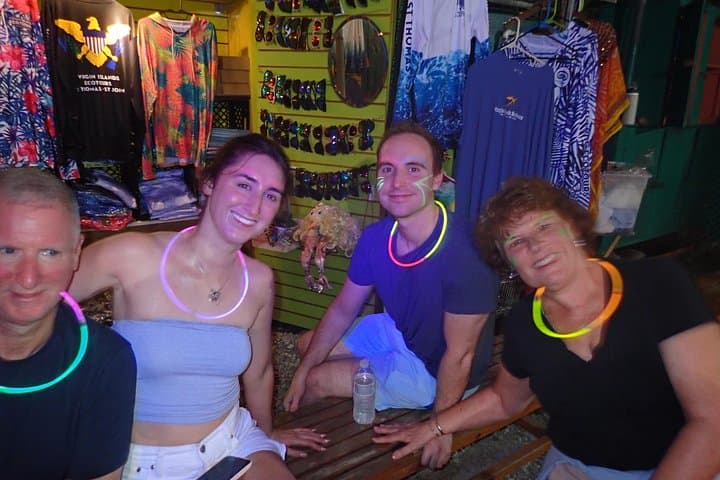
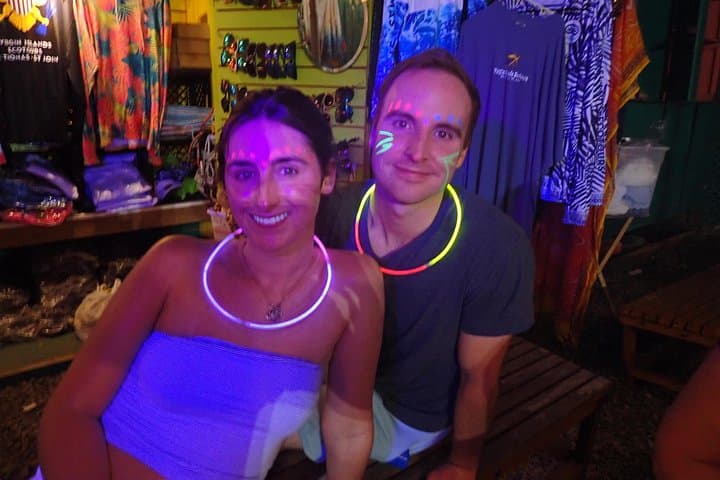
The kayak slips forward like a whispered secret. Headlamps cut thin arcs across dark water while the mangroves lean in, their roots like fingers holding the lagoon together. In that hush—broken by a guide's quiet voice and the soft tapping of paddles—you realize the island has a night life most visitors never see: shorebirds settling into nests, crabs scuttling at the water’s edge, and the glassy surface suddenly bright with a scattering of small fish.
The kayak slips forward like a whispered secret. Headlamps cut thin arcs across dark water while the mangroves lean in, their roots like fingers holding the lagoon together. In that hush—broken by a guide's quiet voice and the soft tapping of paddles—you realize the island has a night life most visitors never see: shorebirds settling into nests, crabs scuttling at the water’s edge, and the glassy surface suddenly bright with a scattering of small fish.
St. Thomas's mangrove lagoons are young geologically but ancient in purpose. Formed where coral rubble meets riverine sediments, these sheltered channels collect nutrients and protect the shoreline from storm surge. Historically, indigenous peoples and later colonial settlers relied on mangrove-rich flats for fish and shelter; today the islands protect these stands because they buffer reefs and fisheries.
This 90-minute guided paddle threads you through shallow, tunneled waterways designed for two-person kayaks. Expect slow, deliberate progress—roughly 2–4 miles of paddling depending on tides and the group's pace—with repeated stops as the guide points out birds, mollusks, and nocturnal fish. The tour emphasizes ecology: guides explain how mangroves filter runoff, support juvenile fish, and anchor coastal communities against hurricanes.
Practical details matter when the sun goes down. Life jackets and kayaks are provided; basic paddling skill and moderate fitness make the outing enjoyable, but the route includes narrow channels and occasional shallow mud. Wear quick-drying layers and closed-toe water shoes; bring a waterproof headlamp or use the provided light for hands-free observation. Hydrate before you launch—bottled water is included—and apply insect repellent liberally. If you're prone to seasickness, take precautions: the lagoon is protected, but night paddling can feel different under low light.
The guides keep group sizes manageable and safe; the operator recommends contacting them ahead to confirm meeting details. Children eight and older can participate when accompanied by an adult. The best experience is timed to sunset and the hour after, when the sky deepens and nocturnal life rises.
Leave no trace: avoid touching roots or wildlife, keep noise low, and stow all trash. The mangroves are fragile and crucial to reef health. For photographers, aim for the blue hour and bring a camera with a wide aperture and steady hands—or a small tripod that can sit in the kayak. For travelers who want a different rhythm of St. Thomas, this tour offers a practical, intimate way to see an ecosystem that guards the island's coasts—quiet, alive, and surprisingly bold when the lights go out.