THE ADVENTURE COLLECTIVE® · Independent discovery and booking for outdoor travel

Explore native birds, a recreated bush settlement, and family-friendly trails in the Akatarawa Valley. This four- to six-hour visit pairs conservation education with hands-on exhibits and a café to refuel.
Explore native birds, a recreated bush settlement, and family-friendly trails in the Akatarawa Valley. This four- to six-hour visit pairs conservation education with hands-on exhibits and a café to refuel.
You step from the car and the valley exhales—oak and kahikatea scents, bird calls threading through the hush. The track leads you under a green ceiling; the reserve’s enclosures and restored Old Bush Settlement sit like purpose-built windows into the Akatarawa bush. Children’s laughter mixes with the quieter calls of native birds as guides explain conservation work.
Verified experiences and guided adventures in the surrounding area.
Operated by Wainuiomata Taxis · Upper Hutt, Wellington Region
You step from the car and the valley exhales—oak and kahikatea scents, bird calls threading through the hush. The track leads you under a green ceiling; the reserve’s enclosures and restored Old Bush Settlement sit like purpose-built windows into the Akatarawa bush. Children’s laughter mixes with the quieter calls of native birds as guides explain conservation work.
Founded in 1972, Staglands was created to protect native species and to show how early settlers lived in the forested foothills. Geologically, the Akatarawa Valley is a folded, forested spur off the Remutaka ranges, its steep gullies feeding clear streams where whio once thrived. Culturally, Staglands blends living-history displays—a boxcar railway and settler huts—with active breeding programs for kaka, kea and other recovery species.
Practical details are straightforward: plan 4–6 hours for a relaxed visit, allow extra time for the kids and the café, and expect narrow, winding roads on the drive in. Trails are short and family-friendly with accessible areas for strollers and wheelchairs; however some off-path sections are uneven. Bring binoculars for bird hides, a rain layer for sudden showers, and cash/card for entry and refreshments.
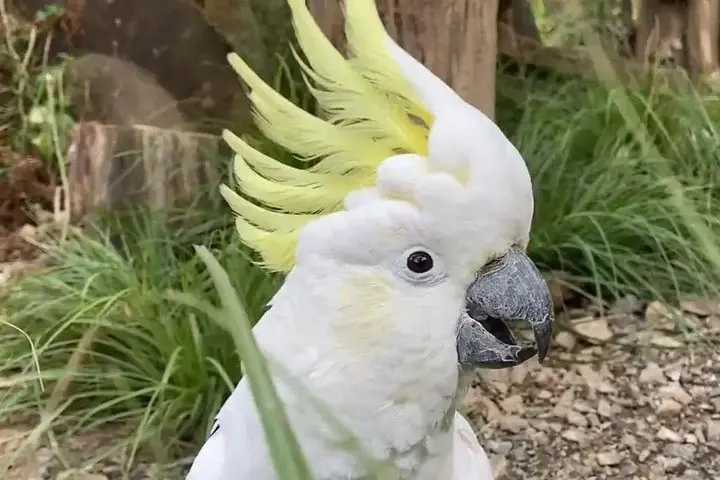
On-site staff emphasize hands-off viewing and biosecurity—clean boots and no feeding of wildlife. The reserve rewards slow observation: a kaka bold at a feeder, a whio-shaped ripple on a stream, and a rebuilt bush settlement that grounds the visit in local history. It’s an approachable, conservation-focused day outdoors that suits families and nature-minded travelers.
Allow 4–6 hours for entry, trails, the Old Bush Settlement, and time at the café; families with young children may want a full afternoon.
Many areas, including the café and several enclosures, are stroller and wheelchair accessible, though some trails are uneven—check with staff on arrival.
Pets are not permitted, but service animals are allowed with prior notice to ensure visitor safety and animal welfare.
Yes—the on-site café offers light meals and snacks; you can also bring a picnic but follow no-feeding rules for wildlife.
Wainuiomata Taxis operates guided outdoor trips and adventures with an emphasis on safety, stewardship, and memorable experiences.
You step from the car and the valley exhales—oak and kahikatea scents, bird calls threading through the hush. The track leads you under a green ceiling; the reserve’s enclosures and restored Old Bush Settlement sit like purpose-built windows into the Akatarawa bush. Children’s laughter mixes with the quieter calls of native birds as guides explain conservation work.
You step from the car and the valley exhales—oak and kahikatea scents, bird calls threading through the hush. The track leads you under a green ceiling; the reserve’s enclosures and restored Old Bush Settlement sit like purpose-built windows into the Akatarawa bush. Children’s laughter mixes with the quieter calls of native birds as guides explain conservation work.
Founded in 1972, Staglands was created to protect native species and to show how early settlers lived in the forested foothills. Geologically, the Akatarawa Valley is a folded, forested spur off the Remutaka ranges, its steep gullies feeding clear streams where whio once thrived. Culturally, Staglands blends living-history displays—a boxcar railway and settler huts—with active breeding programs for kaka, kea and other recovery species.
Practical details are straightforward: plan 4–6 hours for a relaxed visit, allow extra time for the kids and the café, and expect narrow, winding roads on the drive in. Trails are short and family-friendly with accessible areas for strollers and wheelchairs; however some off-path sections are uneven. Bring binoculars for bird hides, a rain layer for sudden showers, and cash/card for entry and refreshments.
On-site staff emphasize hands-off viewing and biosecurity—clean boots and no feeding of wildlife. The reserve rewards slow observation: a kaka bold at a feeder, a whio-shaped ripple on a stream, and a rebuilt bush settlement that grounds the visit in local history. It’s an approachable, conservation-focused day outdoors that suits families and nature-minded travelers.