THE ADVENTURE COLLECTIVE® · Independent discovery and booking for outdoor travel

Walk the iconic Seawall, study Brockton Point’s totem poles, and find quiet moments at Beaver Lake on this 2.5-hour guided tour of Stanley Park. Expect a mix of shoreline views, cultural stories, and easy trails suitable for most fitness levels.
Walk the iconic Seawall, study Brockton Point’s totem poles, and find quiet moments at Beaver Lake on this 2.5-hour guided tour of Stanley Park. Expect a mix of shoreline views, cultural stories, and easy trails suitable for most fitness levels.
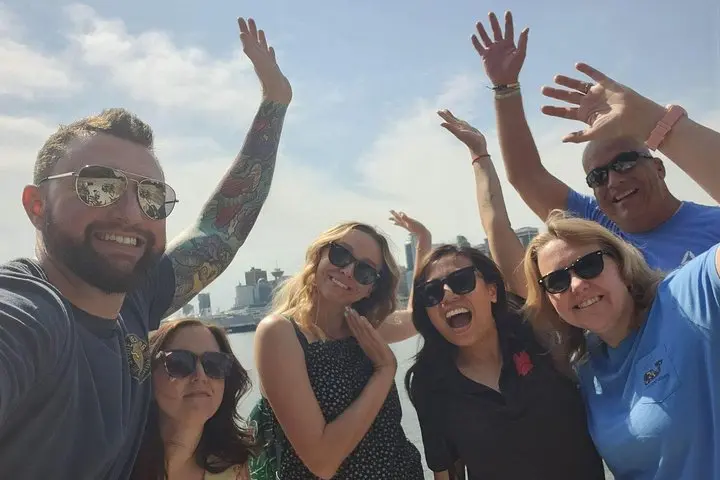
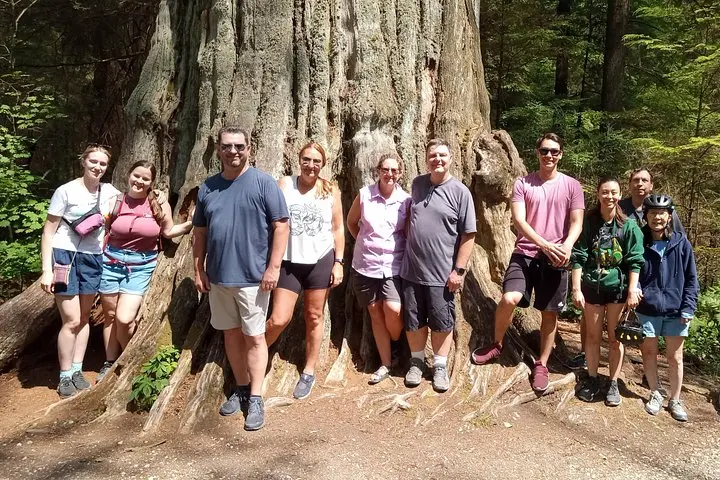
A stroll onto Stanley Park’s seawall begins like stepping out onto the prow of the city — wind off Burrard Inlet, gulls arguing overhead, and the North Shore Mountains holding the skyline like a distant wall. The guided 2.5-hour loop moves from the busy photo-op at Brockton Point’s totem poles down into dense stands of Douglas firs and cedars, then into the hush of Beaver Lake where lily pads ride a patient surface.
Verified experiences and guided adventures in the surrounding area.
Operated by Vancouver Toonie Tours Ltd. · Vancouver, British Columbia
A stroll onto Stanley Park’s seawall begins like stepping out onto the prow of the city — wind off Burrard Inlet, gulls arguing overhead, and the North Shore Mountains holding the skyline like a distant wall. The guided 2.5-hour loop moves from the busy photo-op at Brockton Point’s totem poles down into dense stands of Douglas firs and cedars, then into the hush of Beaver Lake where lily pads ride a patient surface.
This park sits on a glacially scoured peninsula shaped by ice and the tides, and the route folds history, culture and ecology together: Indigenous carving traditions at Brockton Point, maritime memory at the 9 O’Clock Gun, and memorials that mark early settlement and contact. Guides will point out geological outcrops, old-growth remnants, and the park’s role as Vancouver’s front-line green space.
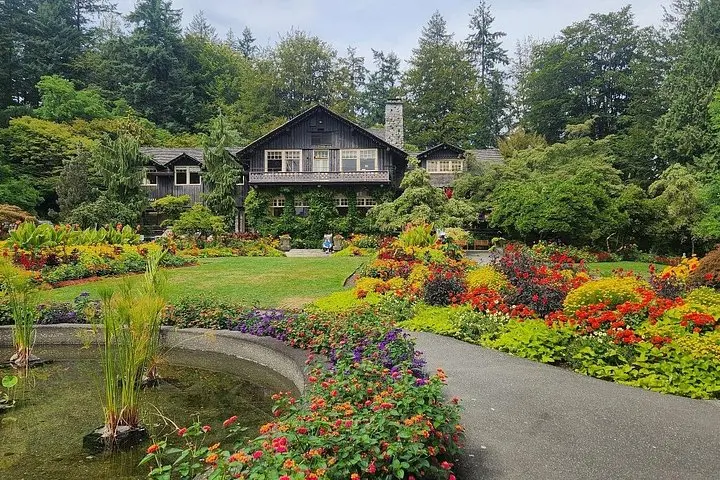
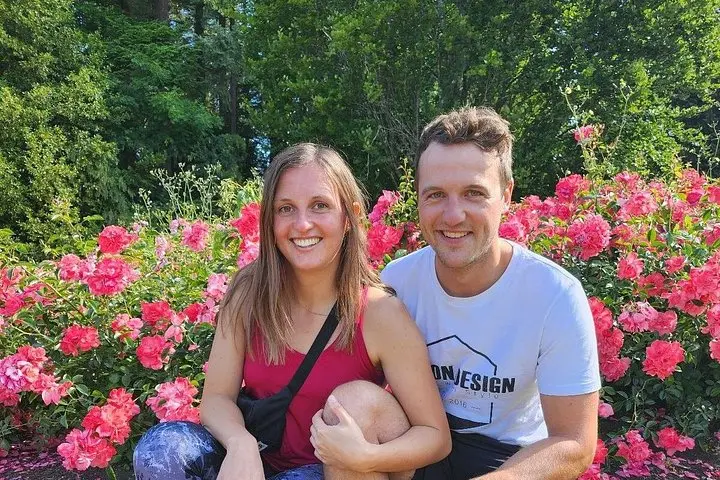
Expect paved and packed-gravel paths with short, gentle grades — stroller- and wheelchair-accessible stretches alternate with narrower woodland trails. Wildlife is discreet but present: herons standing like statues along shorelines, raccoons probing the edges of picnic areas. The best light is morning or late afternoon; summer brings rose gardens into bloom, while winter rinses colors to slate and green.
Practicalities: wear supportive shoes, bring a waterproof layer, and carry water — the tour covers roughly 5–6 km at an easy pace with multiple stops for stories and photos. Public transit drops you close to the park entrance; arrive 10–15 minutes early to meet your guide. Respect wildlife by observing at distance and following Leave No Trace — the park’s health depends on quiet, responsible visitors.
The tour runs about 2.5 hours and covers roughly 5–6 km at an easy, interpretive pace with multiple stops.
Large sections of the seawall and many viewpoints are accessible, but some woodland sections are narrower; contact the operator for specific accessibility needs.
Yes — common sightings include herons, waterfowl, and occasionally raccoons or beavers near Beaver Lake, but wildlife is not guaranteed.
Wear layered, weather-appropriate clothing, supportive shoes, and bring water; a small rain shell is recommended outside summer.
Vancouver Toonie Tours Ltd. operates guided outdoor trips and adventures with an emphasis on safety, stewardship, and memorable experiences.
A stroll onto Stanley Park’s seawall begins like stepping out onto the prow of the city — wind off Burrard Inlet, gulls arguing overhead, and the North Shore Mountains holding the skyline like a distant wall. The guided 2.5-hour loop moves from the busy photo-op at Brockton Point’s totem poles down into dense stands of Douglas firs and cedars, then into the hush of Beaver Lake where lily pads ride a patient surface.
A stroll onto Stanley Park’s seawall begins like stepping out onto the prow of the city — wind off Burrard Inlet, gulls arguing overhead, and the North Shore Mountains holding the skyline like a distant wall. The guided 2.5-hour loop moves from the busy photo-op at Brockton Point’s totem poles down into dense stands of Douglas firs and cedars, then into the hush of Beaver Lake where lily pads ride a patient surface.
This park sits on a glacially scoured peninsula shaped by ice and the tides, and the route folds history, culture and ecology together: Indigenous carving traditions at Brockton Point, maritime memory at the 9 O’Clock Gun, and memorials that mark early settlement and contact. Guides will point out geological outcrops, old-growth remnants, and the park’s role as Vancouver’s front-line green space.
Expect paved and packed-gravel paths with short, gentle grades — stroller- and wheelchair-accessible stretches alternate with narrower woodland trails. Wildlife is discreet but present: herons standing like statues along shorelines, raccoons probing the edges of picnic areas. The best light is morning or late afternoon; summer brings rose gardens into bloom, while winter rinses colors to slate and green.
Practicalities: wear supportive shoes, bring a waterproof layer, and carry water — the tour covers roughly 5–6 km at an easy pace with multiple stops for stories and photos. Public transit drops you close to the park entrance; arrive 10–15 minutes early to meet your guide. Respect wildlife by observing at distance and following Leave No Trace — the park’s health depends on quiet, responsible visitors.