THE ADVENTURE COLLECTIVE® · Independent discovery and booking for outdoor travel

Walk a low-light balcony above the Adriatic to watch the Milky Way and summer constellations in Conero Natural Park. This private night walk blends simple astronomy, local legends and a short coastal hike—ideal for beginners seeking dark skies near Ancona.
Walk a low-light balcony above the Adriatic to watch the Milky Way and summer constellations in Conero Natural Park. This private night walk blends simple astronomy, local legends and a short coastal hike—ideal for beginners seeking dark skies near Ancona.
Dusk slides down the limestone cliffs of Monte Conero and the sea hushes; you follow a narrow path above oak and maquis to a low-light balcony where the sky opens wide. The guide points out the bright core of the Milky Way as the first planets appear, and the forest around you settles into a chorus of night insects and distant waves.
Verified experiences and guided adventures in the surrounding area.
Operated by Il Ponticello Trekking Viaggi & Natura · Sirolo, Marche
Dusk slides down the limestone cliffs of Monte Conero and the sea hushes; you follow a narrow path above oak and maquis to a low-light balcony where the sky opens wide. The guide points out the bright core of the Milky Way as the first planets appear, and the forest around you settles into a chorus of night insects and distant waves.
Parco del Conero is a compact coastal park on Italy’s Adriatic—shaped by marine terraces and steep calcareous cliffs that frame sweeping views of water and sky. The geology here—white limestone outcrops and scrubby Mediterranean vegetation—creates small clearings perfect for astronomy and delivers lower light pollution than nearby towns like Numana or Sirolo. Local lore and seafaring history thread through the session: guides often pair constellation stories with regional myths tied to fishermen and coastal navigation.
Practically, expect a 3–4 hour outing covering roughly 7 km with about 200 m of total ascent, much of it on dirt tracks and uneven trail. Bring sturdy hiking boots, layered clothing and a windproof shell—coastal nights can be cooler and breezier than the town. Use a headlamp with a red filter or a covered flashlight to preserve night vision. Hydrate and pack a light dinner; toilets are not available on trail. The private format makes this suitable for beginners and families, but anyone with limited mobility should check route specifics beforehand.
Timing your visit for a moonless night maximizes the Milky Way; on clear summer evenings you’ll recognize Sagittarius, Scorpius and the Summer Triangle while the guide weaves science with regional stories.
The tour lasts about 3–4 hours, covers roughly 7 km and 200 m of ascent; trails are uneven but the route is suitable for most fitness levels.
Yes—this private tour is designed for beginners and families, but infants should sit on laps and very young children may find the duration challenging.
The activity may be canceled for bad weather or low visibility; cancelations follow the operator’s policy and refunds are typically available if called off 24 hours prior.
Guides (astrophiles) often bring binoculars or small telescopes and will point out major planets and deep-sky features, but availability can vary—ask before booking.
Il Ponticello Trekking Viaggi & Natura operates guided outdoor trips and adventures with an emphasis on safety, stewardship, and memorable experiences.
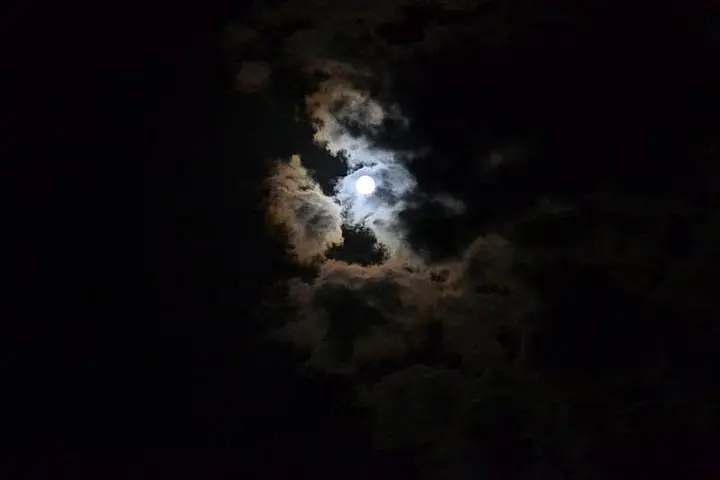
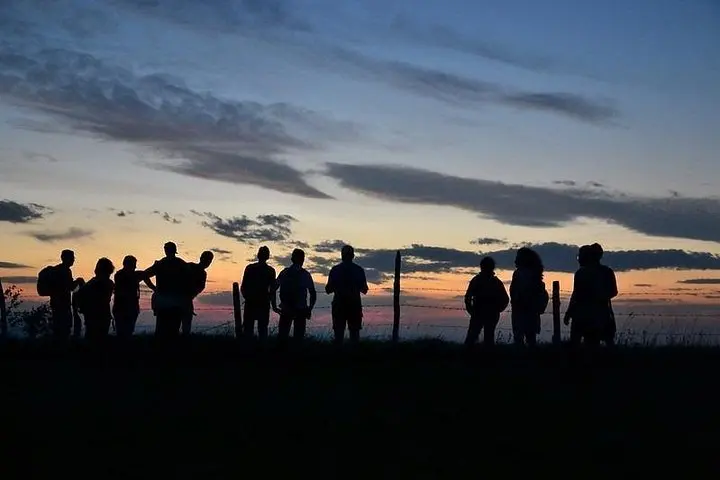
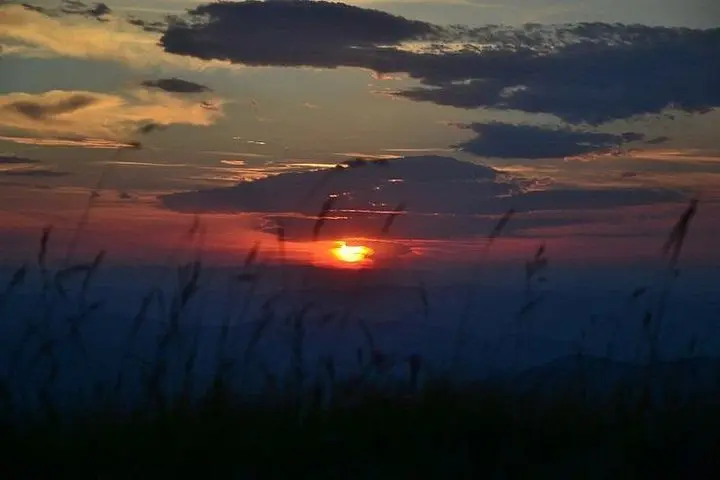
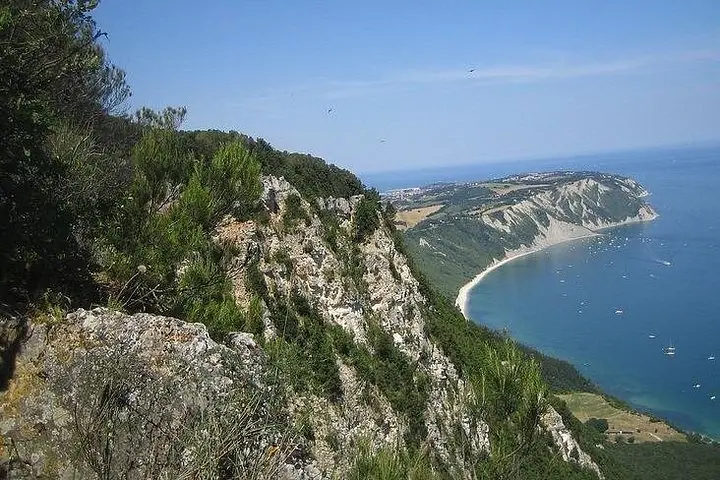
Dusk slides down the limestone cliffs of Monte Conero and the sea hushes; you follow a narrow path above oak and maquis to a low-light balcony where the sky opens wide. The guide points out the bright core of the Milky Way as the first planets appear, and the forest around you settles into a chorus of night insects and distant waves.
Dusk slides down the limestone cliffs of Monte Conero and the sea hushes; you follow a narrow path above oak and maquis to a low-light balcony where the sky opens wide. The guide points out the bright core of the Milky Way as the first planets appear, and the forest around you settles into a chorus of night insects and distant waves.
Parco del Conero is a compact coastal park on Italy’s Adriatic—shaped by marine terraces and steep calcareous cliffs that frame sweeping views of water and sky. The geology here—white limestone outcrops and scrubby Mediterranean vegetation—creates small clearings perfect for astronomy and delivers lower light pollution than nearby towns like Numana or Sirolo. Local lore and seafaring history thread through the session: guides often pair constellation stories with regional myths tied to fishermen and coastal navigation.
Practically, expect a 3–4 hour outing covering roughly 7 km with about 200 m of total ascent, much of it on dirt tracks and uneven trail. Bring sturdy hiking boots, layered clothing and a windproof shell—coastal nights can be cooler and breezier than the town. Use a headlamp with a red filter or a covered flashlight to preserve night vision. Hydrate and pack a light dinner; toilets are not available on trail. The private format makes this suitable for beginners and families, but anyone with limited mobility should check route specifics beforehand.
Timing your visit for a moonless night maximizes the Milky Way; on clear summer evenings you’ll recognize Sagittarius, Scorpius and the Summer Triangle while the guide weaves science with regional stories.