THE ADVENTURE COLLECTIVE® · Independent discovery and booking for outdoor travel

Glide through the low, rocky islands off Stavanger on a slow, social cruise that pairs close coastal views with shellfish and tapas on deck. Ideal for evenings or relaxed daytime trips, this tour emphasizes atmosphere and local flavor.
Glide through the low, rocky islands off Stavanger on a slow, social cruise that pairs close coastal views with shellfish and tapas on deck. Ideal for evenings or relaxed daytime trips, this tour emphasizes atmosphere and local flavor.
The boat eases out of Stavanger harbor as gulls circle the quay and the city's gray stone facades shrink against a slate sky. You feel the gentle roll of the North Sea and the islands — low, wind-swept rocks with scrubs of pine — begin to frame the route. The captain throttles back; this is not about speed but about company, conversation and the slow reveal of coastal Norway.
Verified experiences and guided adventures in the surrounding area.
Operated by Lysetur AS · Stavanger, Rogaland
The boat eases out of Stavanger harbor as gulls circle the quay and the city's gray stone facades shrink against a slate sky. You feel the gentle roll of the North Sea and the islands — low, wind-swept rocks with scrubs of pine — begin to frame the route. The captain throttles back; this is not about speed but about company, conversation and the slow reveal of coastal Norway.
The islands around Stavanger are products of glacial scraping and post-Ice Age rebirth: bare bedrock, shallow coves and marine terraces that once held kelp forests and small fishing hamlets. The city itself rose on shipping and canning in the 19th century, later pivoting to offshore oil and a strong maritime culture that still favors skillful seamanship and fresh seafood. On board you'll often sample local shellfish or tapas — a contemporary nod to the area's coastal larder.
Expect low-slung islands, sheltered channels and close-up views of seabird colonies. The water can push you toward shallow coves where seals sun themselves and currents tug at the hull; the wind will announce itself on exposed points. Evening cruises catch long, cool light and quieter moorings.
Practicalities: trips run about 1–2 hours, are suitable for most fitness levels and accept mobile tickets. Dress for wind and spray — a waterproof layer and non-slip shoes matter more than layers of fashion. If you want to disembark, confirm drop-off plans with the operator beforehand. Aim for calm-weather windows and bring a camera, binoculars and a sense of pace — the islands reward patience.
Typical cruises run between 60 and 120 minutes depending on the route and whether you request a specific drop-off.
Yes — the operator notes they can set you off where you wish, but you should confirm pickup logistics and timing in advance.
Coffee or tea is included; shellfish or tapas are commonly offered on board but may be arranged as part of the booking or purchased during the cruise.
Full refund is available if you cancel at least 24 hours before departure; trips may be canceled for bad weather.
Lysetur AS operates guided outdoor trips and adventures with an emphasis on safety, stewardship, and memorable experiences.
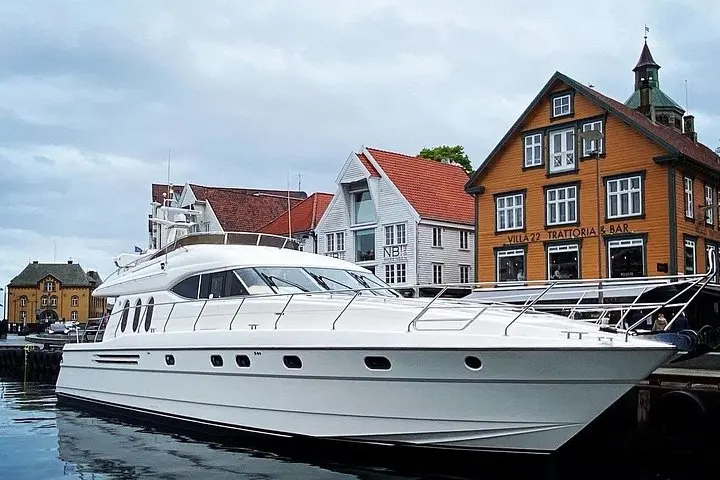
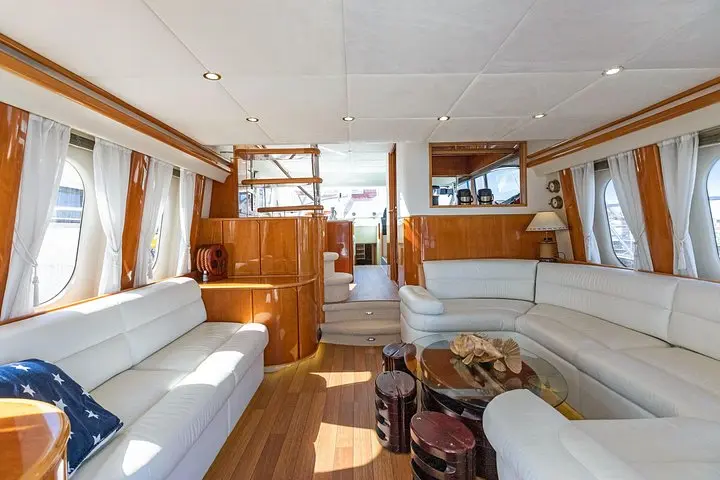
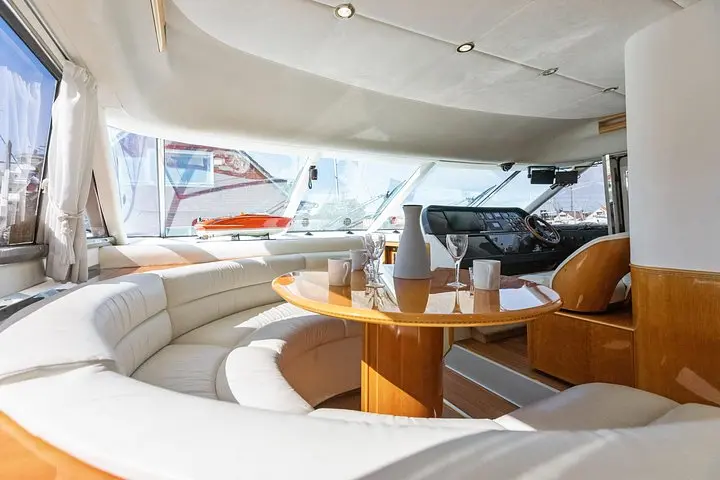
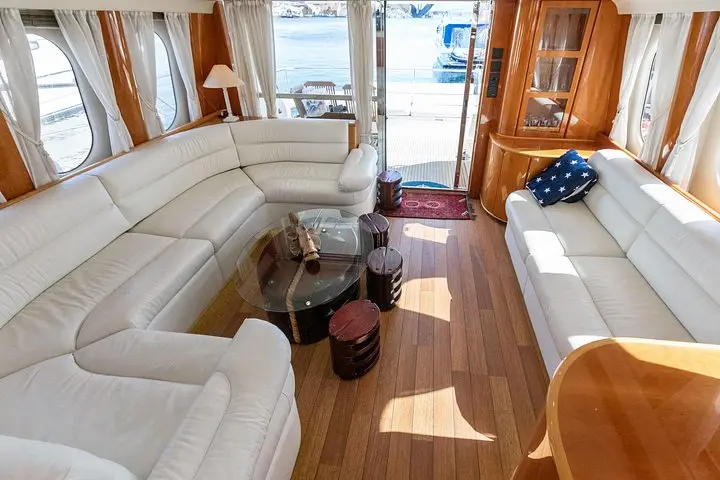
The boat eases out of Stavanger harbor as gulls circle the quay and the city's gray stone facades shrink against a slate sky. You feel the gentle roll of the North Sea and the islands — low, wind-swept rocks with scrubs of pine — begin to frame the route. The captain throttles back; this is not about speed but about company, conversation and the slow reveal of coastal Norway.
The boat eases out of Stavanger harbor as gulls circle the quay and the city's gray stone facades shrink against a slate sky. You feel the gentle roll of the North Sea and the islands — low, wind-swept rocks with scrubs of pine — begin to frame the route. The captain throttles back; this is not about speed but about company, conversation and the slow reveal of coastal Norway.
The islands around Stavanger are products of glacial scraping and post-Ice Age rebirth: bare bedrock, shallow coves and marine terraces that once held kelp forests and small fishing hamlets. The city itself rose on shipping and canning in the 19th century, later pivoting to offshore oil and a strong maritime culture that still favors skillful seamanship and fresh seafood. On board you'll often sample local shellfish or tapas — a contemporary nod to the area's coastal larder.
Expect low-slung islands, sheltered channels and close-up views of seabird colonies. The water can push you toward shallow coves where seals sun themselves and currents tug at the hull; the wind will announce itself on exposed points. Evening cruises catch long, cool light and quieter moorings.
Practicalities: trips run about 1–2 hours, are suitable for most fitness levels and accept mobile tickets. Dress for wind and spray — a waterproof layer and non-slip shoes matter more than layers of fashion. If you want to disembark, confirm drop-off plans with the operator beforehand. Aim for calm-weather windows and bring a camera, binoculars and a sense of pace — the islands reward patience.