THE ADVENTURE COLLECTIVE® · Independent discovery and booking for outdoor travel

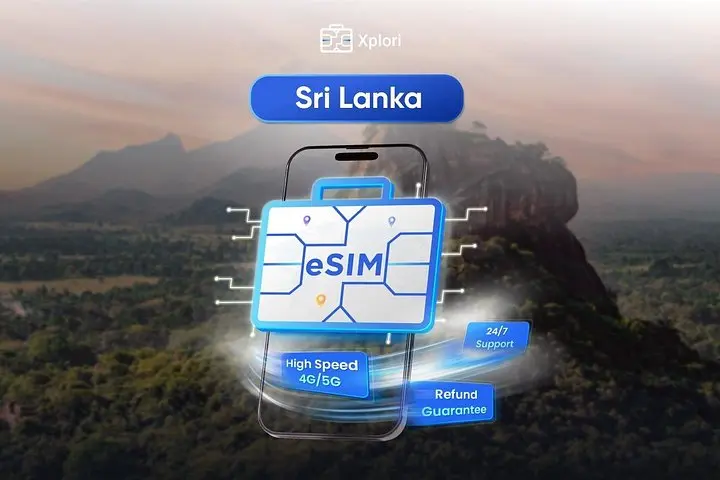
Get online fast across Sri Lanka with a 3–30 day eSIM offering up to 45GB. This guide explains what to expect—coverage patterns, activation tips, and practical prep to stay connected while you travel.
Get online fast across Sri Lanka with a 3–30 day eSIM offering up to 45GB. This guide explains what to expect—coverage patterns, activation tips, and practical prep to stay connected while you travel.
You step off the plane into humid Colombo air and the city hums with tuk-tuks and phone notifications — the kind that matter when you’re navigating train timetables, booking a tuk‑tuk to Galle, or checking a map to the hill country.
Verified experiences and guided adventures in the surrounding area.
Operated by Xplori · Colombo, Western Province
You step off the plane into humid Colombo air and the city hums with tuk-tuks and phone notifications — the kind that matter when you’re navigating train timetables, booking a tuk‑tuk to Galle, or checking a map to the hill country.
Sri Lanka’s compact island geography means cities, tea plantations, and beaches sit within easy reach; historically the island’s ports made it a crossroads of trade, and modern telecom rollout followed that same pattern. The central highlands are ancient Precambrian rock, while coastal plains open to the Indian Ocean — all covered today by a dense mobile network in populated zones.
Culturally, phones are a travel lifeline here: from ordering hoppers in Colombo to arranging a private van to Ella. An eSIM removes the hassle of swapping physical cards at crowded stalls and gets you online within minutes, provided your handset supports eSIM profiles.
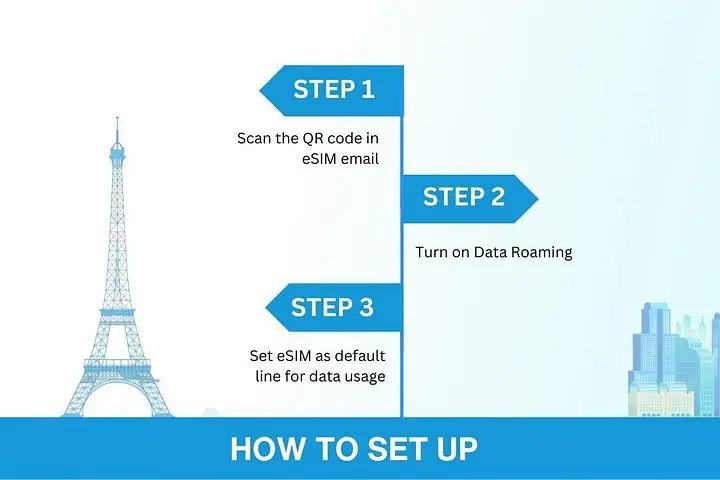
Practically: choose a plan length that matches your trip (3–30 days), confirm device compatibility, and activate on arrival with the provided QR code. Expect reliable 4G in cities and most tourist corridors; mountainous tea-country and remote national parks may drop to 3G or patchy service. Keep an eye on data caps — after the allotment speeds may throttle.
Bring a portable charger, print or screenshot the QR activation code as a backup, and enable roaming only after activation. For short trips, an eSIM is fast, cost‑effective, and lightweight; for long remote stays, plan an offline map and download key reservations ahead of time.
Yes—activate the eSIM after you arrive following the provider’s instructions; activation typically requires an internet connection to download the profile.
Not usually, but bringing a cheap physical SIM or ensuring you can access Wi‑Fi is wise if you’ll spend extended time in remote parks with spotty coverage.
Most eSIMs are tied to a single device profile; check the provider’s terms—some offer multiple profiles but many require one per device.
After the high-speed allotment you’ll usually drop to reduced speeds (often 3G); confirm throttle policies so you can plan offline maps or top-ups.
Xplori operates guided outdoor trips and adventures with an emphasis on safety, stewardship, and memorable experiences.


You step off the plane into humid Colombo air and the city hums with tuk-tuks and phone notifications — the kind that matter when you’re navigating train timetables, booking a tuk‑tuk to Galle, or checking a map to the hill country.
You step off the plane into humid Colombo air and the city hums with tuk-tuks and phone notifications — the kind that matter when you’re navigating train timetables, booking a tuk‑tuk to Galle, or checking a map to the hill country.
Sri Lanka’s compact island geography means cities, tea plantations, and beaches sit within easy reach; historically the island’s ports made it a crossroads of trade, and modern telecom rollout followed that same pattern. The central highlands are ancient Precambrian rock, while coastal plains open to the Indian Ocean — all covered today by a dense mobile network in populated zones.
Culturally, phones are a travel lifeline here: from ordering hoppers in Colombo to arranging a private van to Ella. An eSIM removes the hassle of swapping physical cards at crowded stalls and gets you online within minutes, provided your handset supports eSIM profiles.
Practically: choose a plan length that matches your trip (3–30 days), confirm device compatibility, and activate on arrival with the provided QR code. Expect reliable 4G in cities and most tourist corridors; mountainous tea-country and remote national parks may drop to 3G or patchy service. Keep an eye on data caps — after the allotment speeds may throttle.
Bring a portable charger, print or screenshot the QR activation code as a backup, and enable roaming only after activation. For short trips, an eSIM is fast, cost‑effective, and lightweight; for long remote stays, plan an offline map and download key reservations ahead of time.