THE ADVENTURE COLLECTIVE® · Independent discovery and booking for outdoor travel

Spend two days living and cooking like a local in a hanok courtyard at Oeam Folk Village. This immersive homestay combines traditional lodging, market visits, and a hands-on Korean BBQ under the stars.
Spend two days living and cooking like a local in a hanok courtyard at Oeam Folk Village. This immersive homestay combines traditional lodging, market visits, and a hands-on Korean BBQ under the stars.
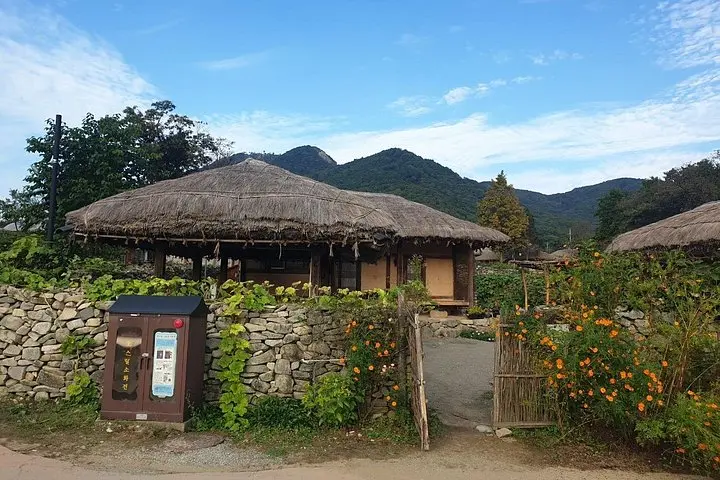
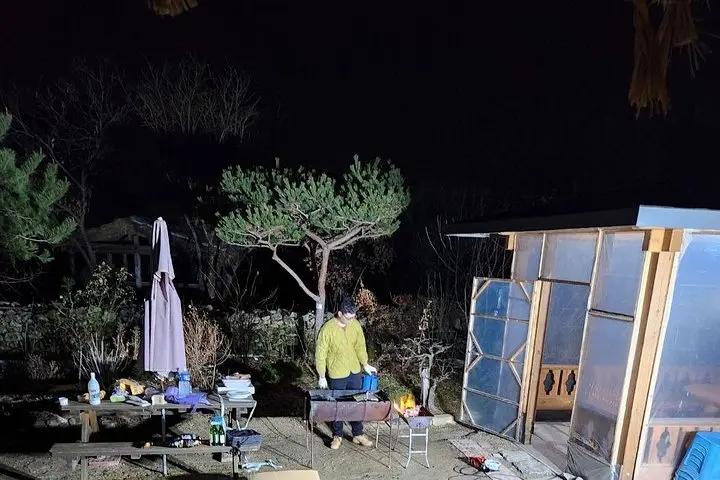
The courtyard light softens as charcoal warms beneath a shallow grill and the air fills with the clean smoke of samgyeopsal — you are seated in a hanok courtyard, surrounded by low-tiled roofs and the quiet geometry of a village that has kept its shape for centuries.
Verified experiences and guided adventures in the surrounding area.
Operated by FunkyKorea · Asan, Chungcheongnam-do
The courtyard light softens as charcoal warms beneath a shallow grill and the air fills with the clean smoke of samgyeopsal — you are seated in a hanok courtyard, surrounded by low-tiled roofs and the quiet geometry of a village that has kept its shape for centuries.
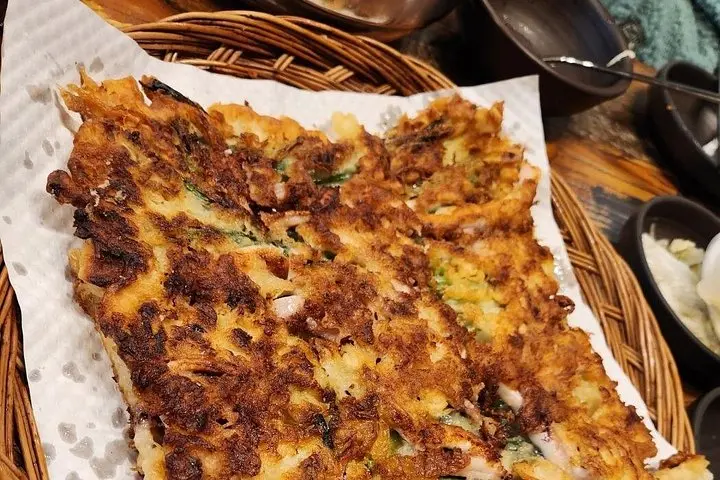
This two-day local stay centers on Oeam Folk Village, one of Korea’s living museums of Joseon-era architecture and agrarian life. The village’s mud lanes, wooden gates, and ondol-heated guest rooms reveal building techniques and household rituals preserved by local families. Nearby markets and jumak taverns have long been places where farmers, carpenters and traders exchange produce and stories; tonight, they introduce you to makgeolli and pajeon as communal ritual rather than mere snack.
Geologically, the area sits on low rolling plains punctuated by rice paddies and small streams, offering broad skies and seasonal color changes rather than alpine drama. Cultural notes: hanok layouts favor south-facing courtyards, and ondol floors provide the distinctive warmth that defines rural Korean hospitality.
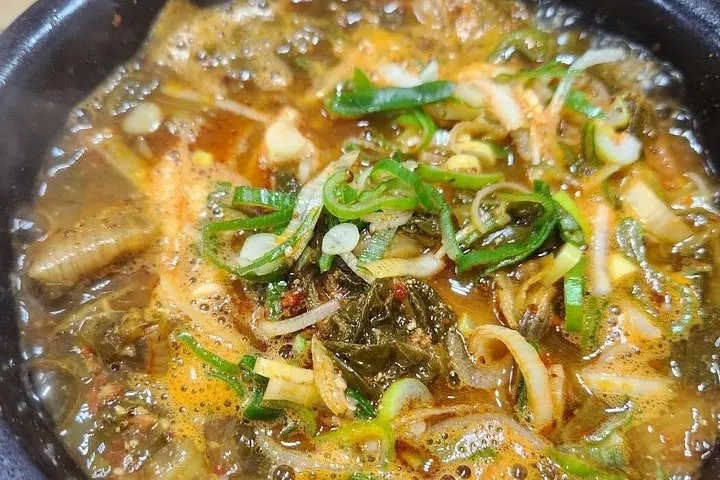
Practical guidance: arrive from Seoul by public transport or a driver (the host can coordinate transit). Expect simple, communal cooking — you’ll help grill, plate banchan, and learn the etiquette of shared plates. Sleep in traditional bedding on heated floors; bathrooms are modernized but compact. Pack layers for cool evenings, sturdy shoes for uneven village paths, and a reusable bottle. Respect private homes, ask before photographing residents, and use local produce to support small vendors. The experience is low-impact, intimate, and rooted in everyday life rather than sightseeing checklist thrills.
Most guests travel by train or bus to Asan or nearby stations; hosts often coordinate the final transfer or provide clear public-transport directions.
Yes — hanok rooms use ondol (heated floors) and traditional bedding; rooms are simple but warm and typically include modern bathrooms.
Hosts prepare home-cooked dishes using local ingredients; communicate allergies or preferences in advance so meals can be adapted.
Yes — the experience is rated easy and child-friendly, though courtyards and tiled roofs require supervision around young children.
FunkyKorea operates guided outdoor trips and adventures with an emphasis on safety, stewardship, and memorable experiences.
The courtyard light softens as charcoal warms beneath a shallow grill and the air fills with the clean smoke of samgyeopsal — you are seated in a hanok courtyard, surrounded by low-tiled roofs and the quiet geometry of a village that has kept its shape for centuries.
The courtyard light softens as charcoal warms beneath a shallow grill and the air fills with the clean smoke of samgyeopsal — you are seated in a hanok courtyard, surrounded by low-tiled roofs and the quiet geometry of a village that has kept its shape for centuries.
This two-day local stay centers on Oeam Folk Village, one of Korea’s living museums of Joseon-era architecture and agrarian life. The village’s mud lanes, wooden gates, and ondol-heated guest rooms reveal building techniques and household rituals preserved by local families. Nearby markets and jumak taverns have long been places where farmers, carpenters and traders exchange produce and stories; tonight, they introduce you to makgeolli and pajeon as communal ritual rather than mere snack.
Geologically, the area sits on low rolling plains punctuated by rice paddies and small streams, offering broad skies and seasonal color changes rather than alpine drama. Cultural notes: hanok layouts favor south-facing courtyards, and ondol floors provide the distinctive warmth that defines rural Korean hospitality.
Practical guidance: arrive from Seoul by public transport or a driver (the host can coordinate transit). Expect simple, communal cooking — you’ll help grill, plate banchan, and learn the etiquette of shared plates. Sleep in traditional bedding on heated floors; bathrooms are modernized but compact. Pack layers for cool evenings, sturdy shoes for uneven village paths, and a reusable bottle. Respect private homes, ask before photographing residents, and use local produce to support small vendors. The experience is low-impact, intimate, and rooted in everyday life rather than sightseeing checklist thrills.