THE ADVENTURE COLLECTIVE® · Independent discovery and booking for outdoor travel
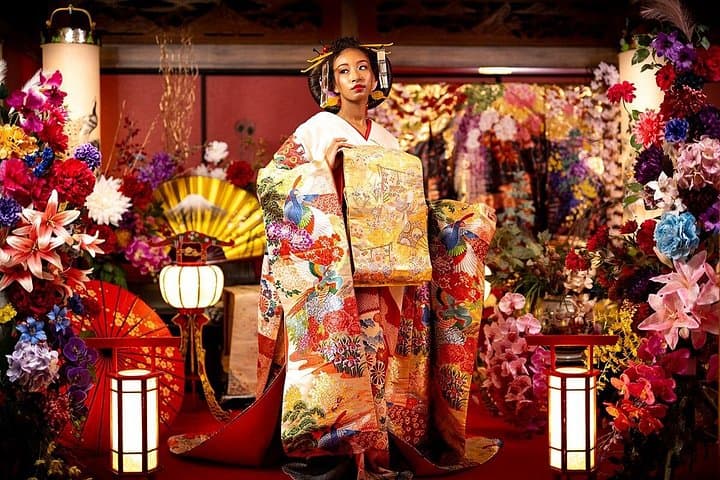
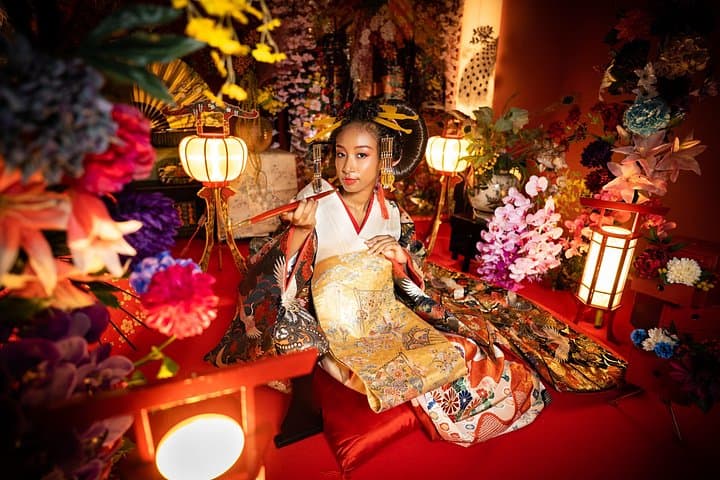
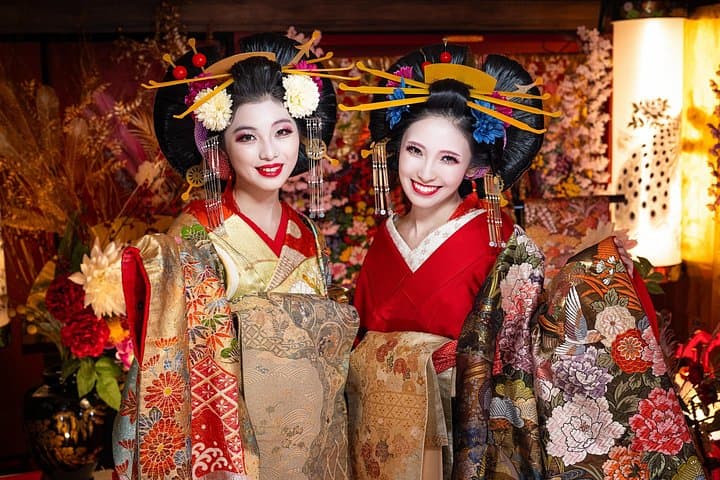
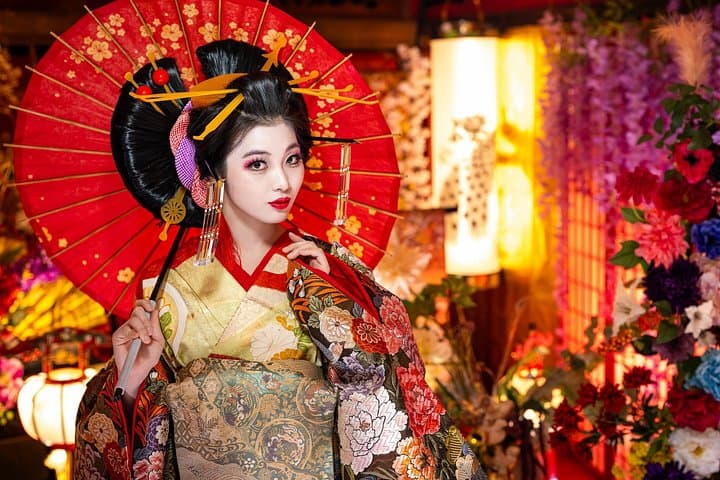
Transform into an Oiran — an ornate, high-ranking courtesan of the Edo era — in a private, women-only studio in Chiba. Choose a short or full set session, wear authentic silk kimono, and leave with professionally retouched portraits.
Transform into an Oiran — an ornate, high-ranking courtesan of the Edo era — in a private, women-only studio in Chiba. Choose a short or full set session, wear authentic silk kimono, and leave with professionally retouched portraits.
The studio door opens and the world narrows to silk, lacquered combs and the low hum of a hairdryer — you are being offered a brief, deliberate return to Edo.
Verified experiences and guided adventures in the surrounding area.
Operated by 株式会社Japanticket · Chiba, Chiba Prefecture
The studio door opens and the world narrows to silk, lacquered combs and the low hum of a hairdryer — you are being offered a brief, deliberate return to Edo.
Oiran were high-ranking courtesans of the Tokugawa era, celebrated for their elaborate dress, coiffures and ceremonial presence. This women-only studio in Chiba recreates that page of urban Japanese history with authentic silk kimono, traditional hairstyling and staged portraiture. The surrounding landscape — the flat Kujukuri Plain meeting Tokyo Bay — shaped the port cities that fed Edo’s culture; the region’s reclaimed coasts and river plains once funneled people and fashions into the capital.
The experience is part theatrical costume and part photographic session: choose a short 2-hour course for a focused look or a 4–5 hour full set for deeper makeup and multiple poses. A professional stylist builds the signature oiran hairstyle, and a photographer directs poses against traditional backdrops while guiding expression and posture.
Practical notes: the studio reserves a private time slot for each group; bring hair ties and minimal undergarments that won’t show under the kimono. Mobile phones are welcome for selfies but the main camera work is handled by staff and selected retouched files are delivered later. There’s no tipping culture here and bookings are typically non-refundable, so confirm your timing.
For travelers, the session is a compact cultural immersion — part costume history, part portrait studio — that leaves you with polished images and a clearer sense of Edo-period aesthetics.
This particular experience is a women-only studio; the policy is intended to create a private environment for participants.
Selected retouched photo data files are delivered later; timelines vary but expect digital delivery within days to a few weeks depending on the operator.
You may bring personal items, but staff will apply traditional makeup and styling to achieve the Oiran look; personal items should be compatible with kimono dressing.
The activity is typically all-sales-final — confirm the operator’s policy before booking because refunds are usually not available.
株式会社Japanticket operates guided outdoor trips and adventures with an emphasis on safety, stewardship, and memorable experiences.
The studio door opens and the world narrows to silk, lacquered combs and the low hum of a hairdryer — you are being offered a brief, deliberate return to Edo.
The studio door opens and the world narrows to silk, lacquered combs and the low hum of a hairdryer — you are being offered a brief, deliberate return to Edo.
Oiran were high-ranking courtesans of the Tokugawa era, celebrated for their elaborate dress, coiffures and ceremonial presence. This women-only studio in Chiba recreates that page of urban Japanese history with authentic silk kimono, traditional hairstyling and staged portraiture. The surrounding landscape — the flat Kujukuri Plain meeting Tokyo Bay — shaped the port cities that fed Edo’s culture; the region’s reclaimed coasts and river plains once funneled people and fashions into the capital.
The experience is part theatrical costume and part photographic session: choose a short 2-hour course for a focused look or a 4–5 hour full set for deeper makeup and multiple poses. A professional stylist builds the signature oiran hairstyle, and a photographer directs poses against traditional backdrops while guiding expression and posture.
Practical notes: the studio reserves a private time slot for each group; bring hair ties and minimal undergarments that won’t show under the kimono. Mobile phones are welcome for selfies but the main camera work is handled by staff and selected retouched files are delivered later. There’s no tipping culture here and bookings are typically non-refundable, so confirm your timing.
For travelers, the session is a compact cultural immersion — part costume history, part portrait studio — that leaves you with polished images and a clearer sense of Edo-period aesthetics.
