THE ADVENTURE COLLECTIVE® · Independent discovery and booking for outdoor travel

Swap sneakers for zori and walk Kyoto’s Ichinen-zaka in samurai-style kimono. CHAMATSU’s machiya setting and attentive dressing service make it easy to explore Kōdai-ji and Kiyomizu-dera in traditional dress—here’s what to expect and how to prepare.
Swap sneakers for zori and walk Kyoto’s Ichinen-zaka in samurai-style kimono. CHAMATSU’s machiya setting and attentive dressing service make it easy to explore Kōdai-ji and Kiyomizu-dera in traditional dress—here’s what to expect and how to prepare.
Morning light slides down Ichinen-zaka, and the slope hums with footsteps—today you step out in samurai style. CHAMATSU’s restored machiya opens like a page from Kyoto’s past: wooden beams, paper screens, and staff who tighten an obi with the precision of a practiced hand. Once dressed, the stone lane and temple gates become your stage.
Verified experiences and guided adventures in the surrounding area.
Operated by 【京都着物レンタル CHAMATSU】着物・浴衣レンタル · Kyoto, Kyoto Prefecture
Morning light slides down Ichinen-zaka, and the slope hums with footsteps—today you step out in samurai style. CHAMATSU’s restored machiya opens like a page from Kyoto’s past: wooden beams, paper screens, and staff who tighten an obi with the precision of a practiced hand. Once dressed, the stone lane and temple gates become your stage.
The samurai aesthetic began as practical and symbolic dress for Japan’s warrior class, simplified into layered robes, hakama, and the straight lines that signal discipline and dignity. Higashiyama sits on the eastern rim of the Kyoto Basin where volcanic ash and river silts formed gentle hills; temples like Kōdai-ji and Kiyomizu-dera were built on those slopes, giving sightlines that frame the city and the distant mountains.
Culturally, renting a kimono is both playful tourism and a tactile lesson in Japanese sartorial craft—machiya woodworking, obi-tying techniques, and the small etiquette of geta and zori. The area around CHAMATSU is compact: historic streets, teahouses, and souvenir shops are all within a short walk, so you can stretch the costume into an afternoon of photography and shrine visits.
Practical guidance: arrive empty-handed and plan to return by the shop’s 19:00 deadline. Wear comfortable, breathable undergarments and accept that zori change your gait—take shorter steps and avoid steep temple stairs when possible. Pack a small pouch for valuables, consider a shawl in cooler months (available to rent), and respect local customs when entering sacred sites. With simple preparation you’ll move through Kyoto’s living history with the posture of a samurai and the curiosity of a traveler.
No—the price includes kimono, obi, zori, and a decorative sword; small optional items like pouches or umbrellas are available for an extra fee.
Overnight return is possible for an additional fee (¥1,000) if you arrange it with the store on the day of rental.
Yes—kimono is commonly worn at temples, but avoid steep stairs in zori and follow temple rules regarding photography and respectful behavior.
Reservations are recommended—CHAMATSU can accommodate most sizes but informing them of special requirements in advance ensures proper fitting and availability.
【京都着物レンタル CHAMATSU】着物・浴衣レンタル operates guided outdoor trips and adventures with an emphasis on safety, stewardship, and memorable experiences.
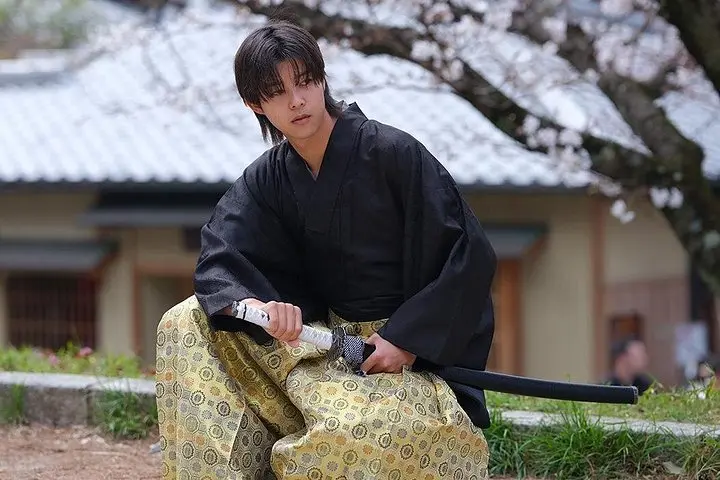
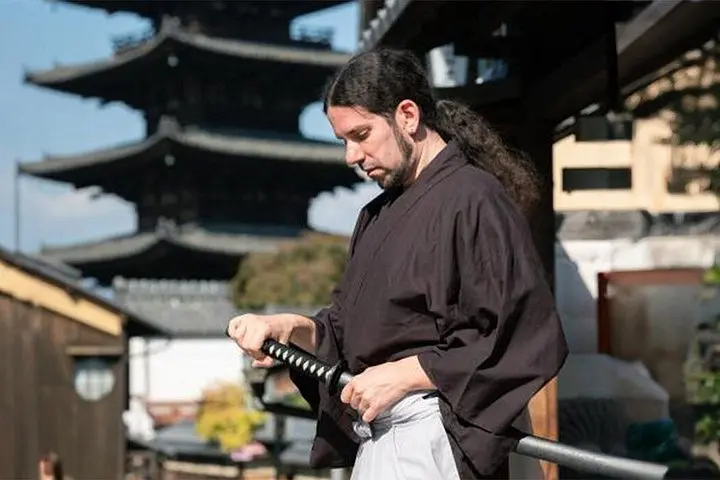
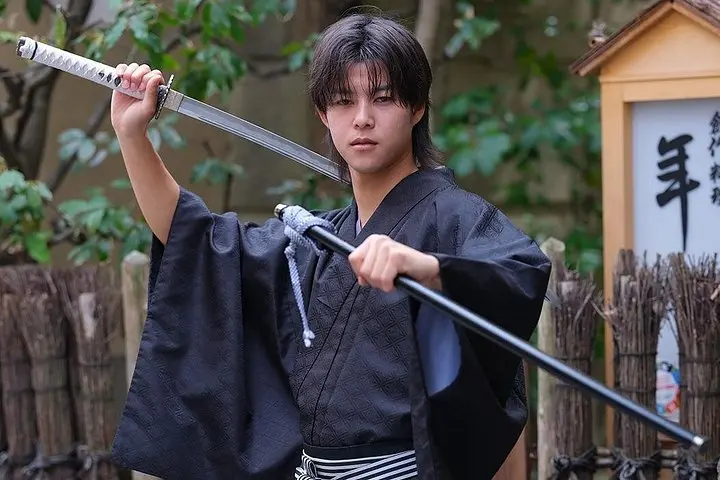
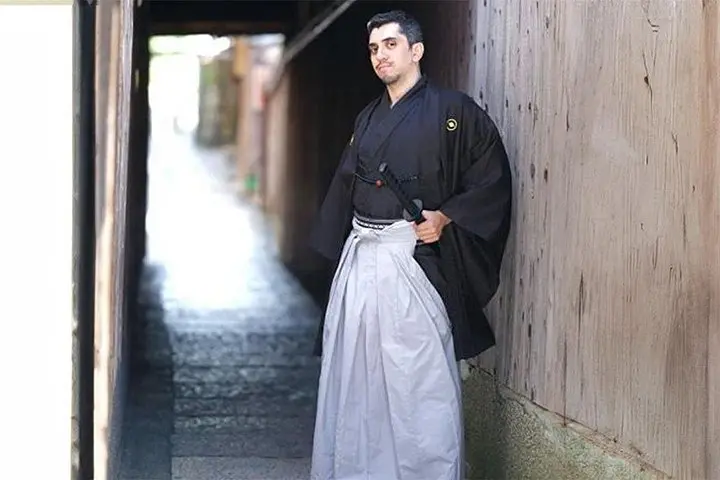
Morning light slides down Ichinen-zaka, and the slope hums with footsteps—today you step out in samurai style. CHAMATSU’s restored machiya opens like a page from Kyoto’s past: wooden beams, paper screens, and staff who tighten an obi with the precision of a practiced hand. Once dressed, the stone lane and temple gates become your stage.
Morning light slides down Ichinen-zaka, and the slope hums with footsteps—today you step out in samurai style. CHAMATSU’s restored machiya opens like a page from Kyoto’s past: wooden beams, paper screens, and staff who tighten an obi with the precision of a practiced hand. Once dressed, the stone lane and temple gates become your stage.
The samurai aesthetic began as practical and symbolic dress for Japan’s warrior class, simplified into layered robes, hakama, and the straight lines that signal discipline and dignity. Higashiyama sits on the eastern rim of the Kyoto Basin where volcanic ash and river silts formed gentle hills; temples like Kōdai-ji and Kiyomizu-dera were built on those slopes, giving sightlines that frame the city and the distant mountains.
Culturally, renting a kimono is both playful tourism and a tactile lesson in Japanese sartorial craft—machiya woodworking, obi-tying techniques, and the small etiquette of geta and zori. The area around CHAMATSU is compact: historic streets, teahouses, and souvenir shops are all within a short walk, so you can stretch the costume into an afternoon of photography and shrine visits.
Practical guidance: arrive empty-handed and plan to return by the shop’s 19:00 deadline. Wear comfortable, breathable undergarments and accept that zori change your gait—take shorter steps and avoid steep temple stairs when possible. Pack a small pouch for valuables, consider a shawl in cooler months (available to rent), and respect local customs when entering sacred sites. With simple preparation you’ll move through Kyoto’s living history with the posture of a samurai and the curiosity of a traveler.