THE ADVENTURE COLLECTIVE® · Independent discovery and booking for outdoor travel

Enter the Colosseum through the Gladiators' Gate and stand on the arena floor where armored combat once played to tens of thousands. This guided 75-minute tour pairs up-close access with clear historical context of Rome’s most famous amphitheater.
Enter the Colosseum through the Gladiators' Gate and stand on the arena floor where armored combat once played to tens of thousands. This guided 75-minute tour pairs up-close access with clear historical context of Rome’s most famous amphitheater.
You step through the restricted gate and the stone underfoot changes the cadence of the day — larger, older, worn by centuries of footsteps. The Gladiators' Gate opens onto the arena floor itself, where the roar of 60,000 spectators still seems to echo from the tiers above. Sunlight slices into the bowl and highlights carved names on the seats; the guide's voice maps rules of combat and the engineering that made spectacle possible.
Verified experiences and guided adventures in the surrounding area.
Operated by Discover Rome Tours · Rome, Lazio
You step through the restricted gate and the stone underfoot changes the cadence of the day — larger, older, worn by centuries of footsteps. The Gladiators' Gate opens onto the arena floor itself, where the roar of 60,000 spectators still seems to echo from the tiers above. Sunlight slices into the bowl and highlights carved names on the seats; the guide's voice maps rules of combat and the engineering that made spectacle possible.
Built under Emperor Vespasian and completed in AD 80, the Colosseum is a study in Roman concrete, arches and logistical theater: trapdoors, vomitoria and subterranean service spaces once staged contests with animals and men. Geology matters here — travertine facing quarried from nearby Tivoli and tufa foundations set against the Roman plain — and Palatine Hill’s terraces nearby tell the story of Rome’s elite who watched from tiered marble.
This tour combines the visceral — standing on the arena — with context: how seating signaled status, where gladiator barracks once stood, and how the Forum and Palatine connect politically and socially to the amphitheater.
Practical guidance: allow 75 minutes, bring ID to match booking names, and expect stairs to first and second tiers (no heavy luggage). Mornings are cooler and quieter; afternoons fill quickly. Photography is allowed but be mindful of other guests. If you have mobility needs, pre-check access options; the site offers adapted pathways. With a bit of planning — timing, hydration, shoes — the Colosseum's scale and technical ingenuity deliver a direct, instructive encounter with Rome’s public life.
Mobile tickets are accepted; bring the voucher shown at booking and a valid ID matching the booking name.
The Colosseum offers some wheelchair-accessible routes, but access to specific tiers may be limited—check with the operator in advance.
Yes; casual photography is allowed, but tripods and commercial shoots usually require permits.
Arrive 15–30 minutes before your tour so you can use the meeting point and complete any ID checks without rushing.
Discover Rome Tours operates guided outdoor trips and adventures with an emphasis on safety, stewardship, and memorable experiences.
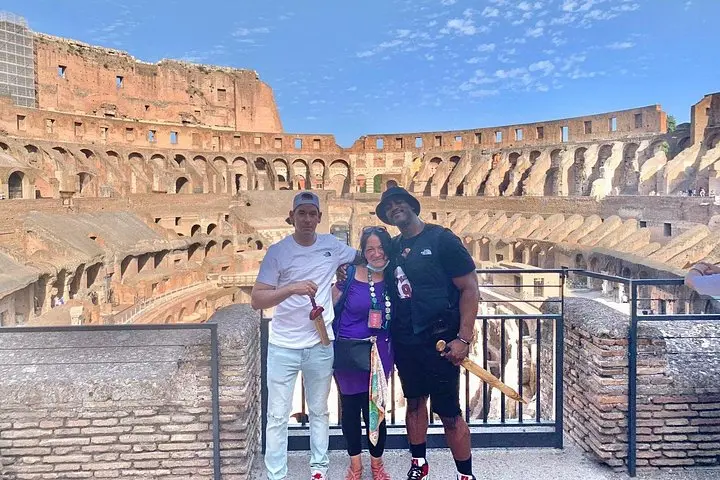
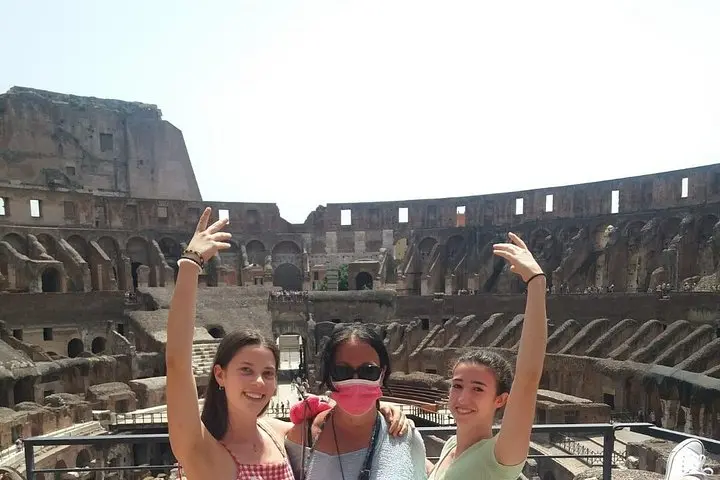
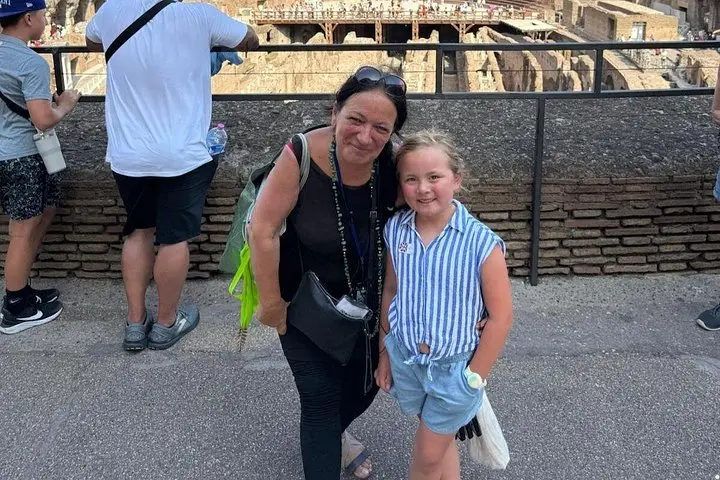
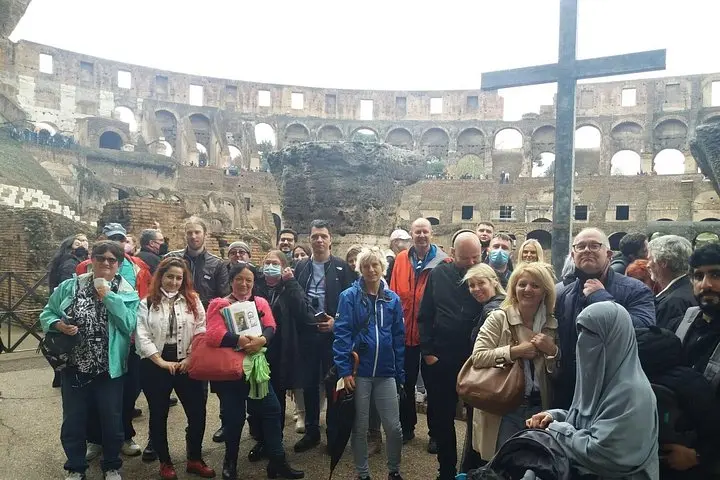
You step through the restricted gate and the stone underfoot changes the cadence of the day — larger, older, worn by centuries of footsteps. The Gladiators' Gate opens onto the arena floor itself, where the roar of 60,000 spectators still seems to echo from the tiers above. Sunlight slices into the bowl and highlights carved names on the seats; the guide's voice maps rules of combat and the engineering that made spectacle possible.
You step through the restricted gate and the stone underfoot changes the cadence of the day — larger, older, worn by centuries of footsteps. The Gladiators' Gate opens onto the arena floor itself, where the roar of 60,000 spectators still seems to echo from the tiers above. Sunlight slices into the bowl and highlights carved names on the seats; the guide's voice maps rules of combat and the engineering that made spectacle possible.
Built under Emperor Vespasian and completed in AD 80, the Colosseum is a study in Roman concrete, arches and logistical theater: trapdoors, vomitoria and subterranean service spaces once staged contests with animals and men. Geology matters here — travertine facing quarried from nearby Tivoli and tufa foundations set against the Roman plain — and Palatine Hill’s terraces nearby tell the story of Rome’s elite who watched from tiered marble.
This tour combines the visceral — standing on the arena — with context: how seating signaled status, where gladiator barracks once stood, and how the Forum and Palatine connect politically and socially to the amphitheater.
Practical guidance: allow 75 minutes, bring ID to match booking names, and expect stairs to first and second tiers (no heavy luggage). Mornings are cooler and quieter; afternoons fill quickly. Photography is allowed but be mindful of other guests. If you have mobility needs, pre-check access options; the site offers adapted pathways. With a bit of planning — timing, hydration, shoes — the Colosseum's scale and technical ingenuity deliver a direct, instructive encounter with Rome’s public life.