THE ADVENTURE COLLECTIVE® · Independent discovery and booking for outdoor travel

Stand where gladiators fought: this semi-private Colosseum arena-floor tour gives small-group access to the amphitheater’s central stage, then leaves you free to explore the Roman Forum and Palatine Hill. Prepare for security checks, nominative tickets, and uneven surfaces.
Stand where gladiators fought: this semi-private Colosseum arena-floor tour gives small-group access to the amphitheater’s central stage, then leaves you free to explore the Roman Forum and Palatine Hill. Prepare for security checks, nominative tickets, and uneven surfaces.
You step through security and the roar of modern Rome fades; beneath your feet the arena floor opens like a stage where stone remembers blood and applause. Light slants across ancient travertine as a licensed guide gestures to the cavea’s tiers, and for a few minutes you occupy the exact patch of ground gladiators once owned.
Verified experiences and guided adventures in the surrounding area.
Operated by White Travel Tours · Rome, Lazio
You step through security and the roar of modern Rome fades; beneath your feet the arena floor opens like a stage where stone remembers blood and applause. Light slants across ancient travertine as a licensed guide gestures to the cavea’s tiers, and for a few minutes you occupy the exact patch of ground gladiators once owned.
The Colosseum (completed under Titus in AD 80) was engineered with Roman concrete, tufa, and travertine and designed to host gladiatorial contests, staged naval reenactments, and public spectacles. Its proximity to the Roman Forum and Palatine Hill places it at the civic heart of imperial Rome; wandering those ruins after the arena visit maps social and political life to the visible remains of basilicas, temples, and imperial palaces.
Culturally, the amphitheater shaped urban ritual—crowd control, architecture, and spectacle became political theater. Look closely: grooves, restoration seams, and patched masonry tell a layered conservation story that continues today.
Practical guidance: tickets are nominative and you must present ID that matches your booking; arrive 30 minutes early for group check-in. Expect airport-style security and some uneven steps on the arena and among Forum ruins—sturdy walking shoes are recommended. The guided arena portion lasts roughly 40 minutes; allow an extra 1–2 hours to explore the Roman Forum and Palatine at your own pace. Travel light, carry water (refill stations nearby), and plan for security-related delays during high season. This semi-private format (up to six) balances personal access with the logistical realities of one of Rome’s most visited monuments.
Yes—this tour includes arena-floor access, which is a restricted area not available on general-admission routes and is part of the tour’s admission.
Yes—tickets are nominative and each visitor must present a passport or ID that exactly matches the name provided when booking.
The tour includes guided arena-floor access; access to the Roman Forum and Palatine Hill is included but typically for independent exploration rather than a continued guided walkthrough.
Accessibility is limited: the Colosseum and arena have uneven surfaces and steps; visitors with mobility concerns should contact the operator in advance to discuss specific accommodations.
White Travel Tours operates guided outdoor trips and adventures with an emphasis on safety, stewardship, and memorable experiences.
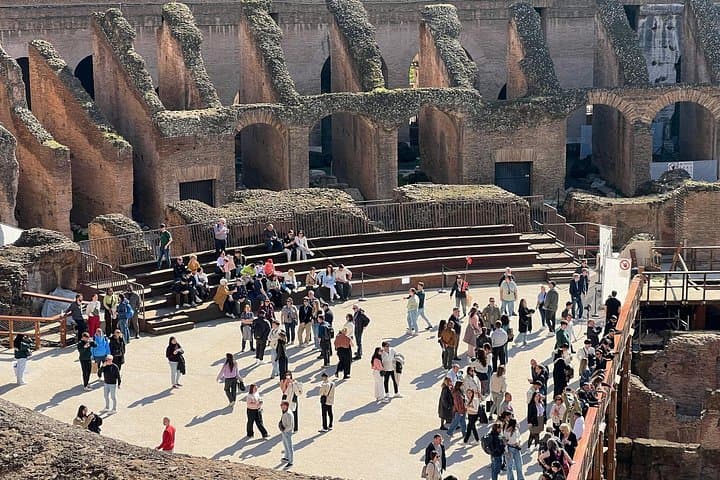
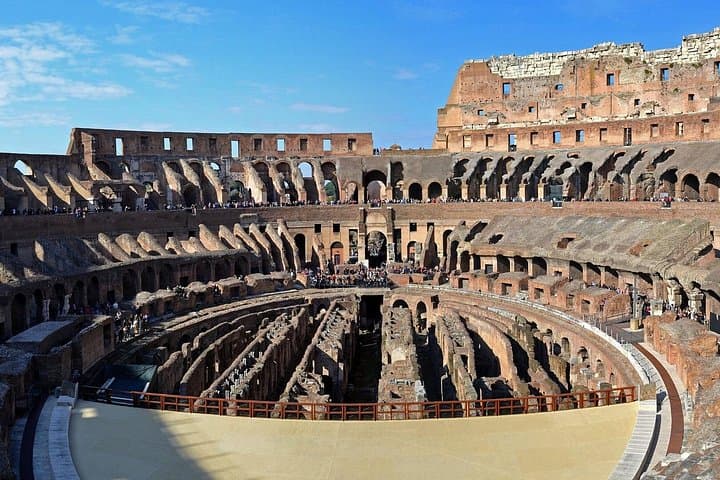
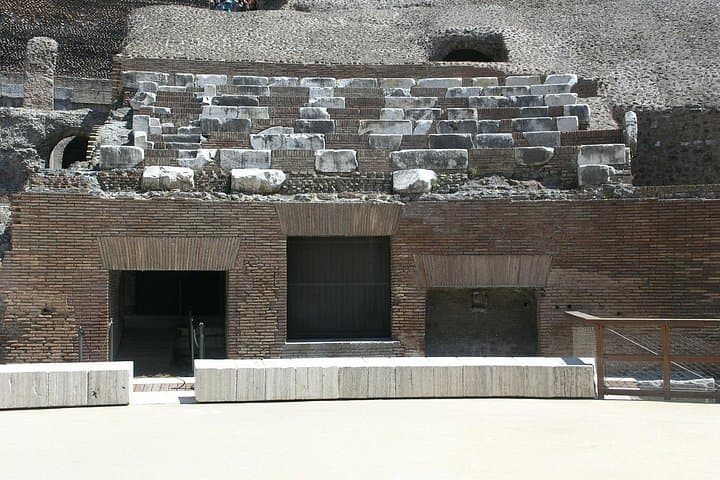
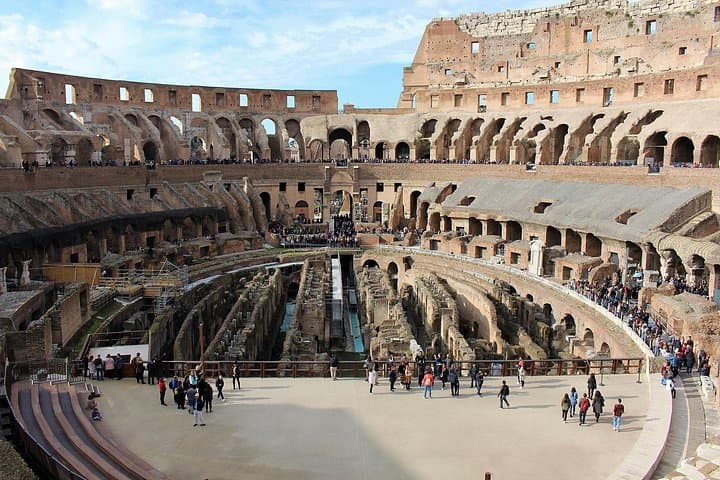
You step through security and the roar of modern Rome fades; beneath your feet the arena floor opens like a stage where stone remembers blood and applause. Light slants across ancient travertine as a licensed guide gestures to the cavea’s tiers, and for a few minutes you occupy the exact patch of ground gladiators once owned.
You step through security and the roar of modern Rome fades; beneath your feet the arena floor opens like a stage where stone remembers blood and applause. Light slants across ancient travertine as a licensed guide gestures to the cavea’s tiers, and for a few minutes you occupy the exact patch of ground gladiators once owned.
The Colosseum (completed under Titus in AD 80) was engineered with Roman concrete, tufa, and travertine and designed to host gladiatorial contests, staged naval reenactments, and public spectacles. Its proximity to the Roman Forum and Palatine Hill places it at the civic heart of imperial Rome; wandering those ruins after the arena visit maps social and political life to the visible remains of basilicas, temples, and imperial palaces.
Culturally, the amphitheater shaped urban ritual—crowd control, architecture, and spectacle became political theater. Look closely: grooves, restoration seams, and patched masonry tell a layered conservation story that continues today.
Practical guidance: tickets are nominative and you must present ID that matches your booking; arrive 30 minutes early for group check-in. Expect airport-style security and some uneven steps on the arena and among Forum ruins—sturdy walking shoes are recommended. The guided arena portion lasts roughly 40 minutes; allow an extra 1–2 hours to explore the Roman Forum and Palatine at your own pace. Travel light, carry water (refill stations nearby), and plan for security-related delays during high season. This semi-private format (up to six) balances personal access with the logistical realities of one of Rome’s most visited monuments.