THE ADVENTURE COLLECTIVE® · Independent discovery and booking for outdoor travel

Discover Stockholm’s architectural shifts on a two‑hour guided walk from medieval alleys to contemporary waterfront projects. Learn the stories behind landmarks like Gunnar Asplund’s library and the UNESCO‑listed Skogskyrkogården.
Discover Stockholm’s architectural shifts on a two‑hour guided walk from medieval alleys to contemporary waterfront projects. Learn the stories behind landmarks like Gunnar Asplund’s library and the UNESCO‑listed Skogskyrkogården.
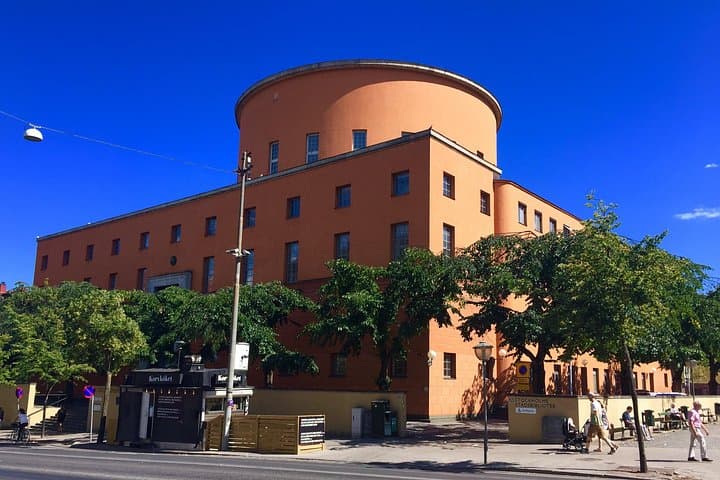
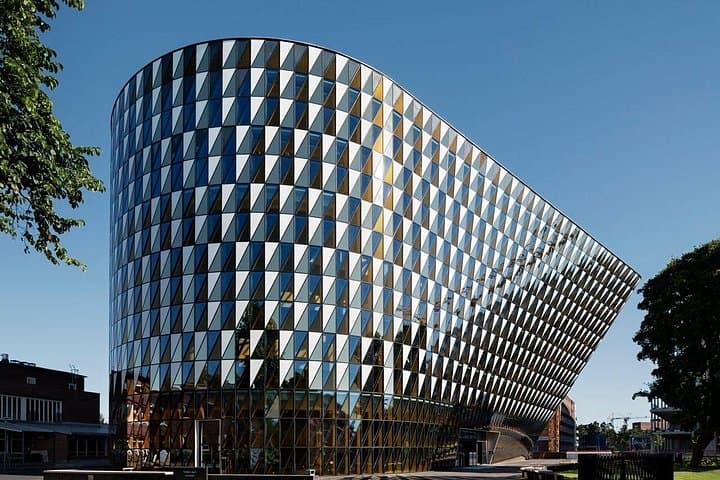
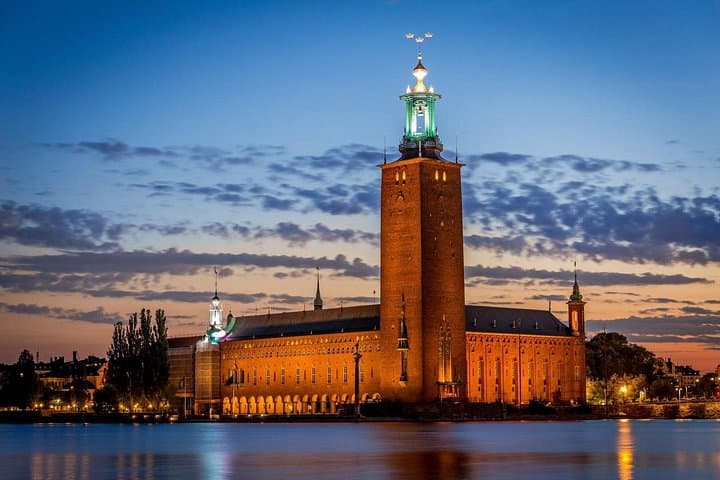
Step off a tram and into a city that layers centuries in its facades: cobbled alleys give way to glass and steel, and the sea breezes push you along a shoreline of civic ambition. This two‑hour guided walk threads central Stockholm’s architectural highlights — from the austere red bricks of Gamla Stan to Gunnar Asplund’s Public Library and the contemporary Waterfront Centre — letting each building speak to a different era.
Verified experiences and guided adventures in the surrounding area.
Operated by Tours of Stockholm · Stockholm, Stockholm County
Step off a tram and into a city that layers centuries in its facades: cobbled alleys give way to glass and steel, and the sea breezes push you along a shoreline of civic ambition. This two‑hour guided walk threads central Stockholm’s architectural highlights — from the austere red bricks of Gamla Stan to Gunnar Asplund’s Public Library and the contemporary Waterfront Centre — letting each building speak to a different era.
Stockholm’s story is visible in stone and plan: a medieval trading town expanded through Renaissance and 19th‑century stone, then embraced functionalism and modernism in the 20th century. Skogskyrkogården, the UNESCO cemetery designed with a modernist sensibility, shows how landscape and architecture can be inseparable. Slussen and Sergels Torg illustrate the controversies of urban renewal; KTH’s School of Architecture points to ongoing experimentation.
Expect paved streets, light staircases and occasional waterfront promenades — mostly flat walking with short, accessible slopes. A professional guide frames the politics behind each project, points out materials and construction dates, and flags how Stockholm balances heritage with green planning.
Practical notes: the tour lasts about two hours and covers roughly 2–3 km at a relaxed pace; bring weatherproof layers and comfortable walking shoes, and plan for changing light on the waterfront. Public transit is convenient to the meeting point, tickets are mobile, and small groups make questions easy. For anyone curious about how cities evolve, this walk offers a concentrated, readable tour of Stockholm’s built landscape.
The tour is approximately 2 hours long and covers about 2–3 km at a relaxed pace with frequent stops for commentary.
Yes — the tour and transportation options are described as wheelchair accessible, though a few sites may have short ramps or level changes.
Tours are typically offered in English; check booking details or request language needs at reservation if available.
Full refund available if you cancel at least 24 hours before the scheduled departure time; mobile or paper tickets accepted.
Tours of Stockholm operates guided outdoor trips and adventures with an emphasis on safety, stewardship, and memorable experiences.

Step off a tram and into a city that layers centuries in its facades: cobbled alleys give way to glass and steel, and the sea breezes push you along a shoreline of civic ambition. This two‑hour guided walk threads central Stockholm’s architectural highlights — from the austere red bricks of Gamla Stan to Gunnar Asplund’s Public Library and the contemporary Waterfront Centre — letting each building speak to a different era.
Step off a tram and into a city that layers centuries in its facades: cobbled alleys give way to glass and steel, and the sea breezes push you along a shoreline of civic ambition. This two‑hour guided walk threads central Stockholm’s architectural highlights — from the austere red bricks of Gamla Stan to Gunnar Asplund’s Public Library and the contemporary Waterfront Centre — letting each building speak to a different era.
Stockholm’s story is visible in stone and plan: a medieval trading town expanded through Renaissance and 19th‑century stone, then embraced functionalism and modernism in the 20th century. Skogskyrkogården, the UNESCO cemetery designed with a modernist sensibility, shows how landscape and architecture can be inseparable. Slussen and Sergels Torg illustrate the controversies of urban renewal; KTH’s School of Architecture points to ongoing experimentation.
Expect paved streets, light staircases and occasional waterfront promenades — mostly flat walking with short, accessible slopes. A professional guide frames the politics behind each project, points out materials and construction dates, and flags how Stockholm balances heritage with green planning.
Practical notes: the tour lasts about two hours and covers roughly 2–3 km at a relaxed pace; bring weatherproof layers and comfortable walking shoes, and plan for changing light on the waterfront. Public transit is convenient to the meeting point, tickets are mobile, and small groups make questions easy. For anyone curious about how cities evolve, this walk offers a concentrated, readable tour of Stockholm’s built landscape.