THE ADVENTURE COLLECTIVE® · Independent discovery and booking for outdoor travel

See Stockholm’s essentials in one relaxed loop: City Hall’s civic grounds, the atmospheric streets of Gamla Stan and the Vasa Museum’s intact 17th-century warship. This guided small-group tour mixes walking, a short ferry and museum entry for a compact cultural day.
See Stockholm’s essentials in one relaxed loop: City Hall’s civic grounds, the atmospheric streets of Gamla Stan and the Vasa Museum’s intact 17th-century warship. This guided small-group tour mixes walking, a short ferry and museum entry for a compact cultural day.
You step out onto the cobblestones as gulls wheel over the water, the brick profile of City Hall rising to your left and the ochre façades of Gamla Stan ahead. The guide leads a small group through a city that still feels like a working harbor—salt on the air, ferries carving the archipelago like punctuation.
Verified experiences and guided adventures in the surrounding area.
Operated by Tulium · Stockholm, Stockholm County
You step out onto the cobblestones as gulls wheel over the water, the brick profile of City Hall rising to your left and the ochre façades of Gamla Stan ahead. The guide leads a small group through a city that still feels like a working harbor—salt on the air, ferries carving the archipelago like punctuation.
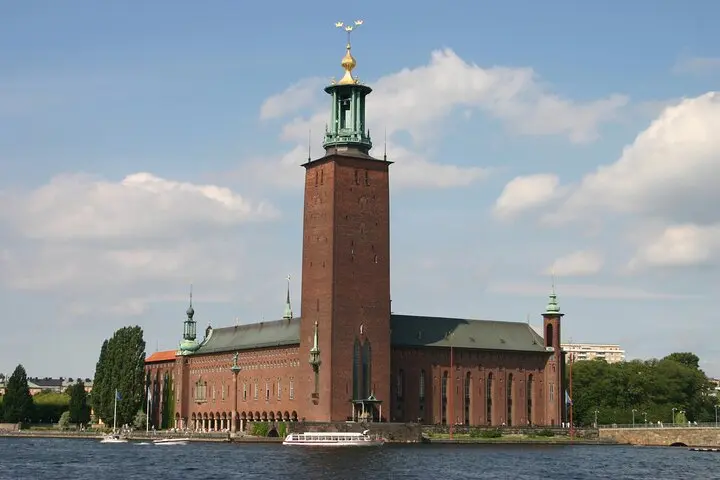
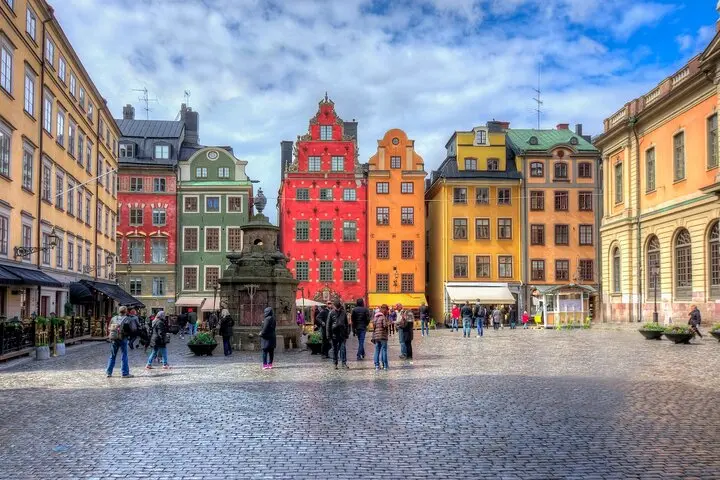
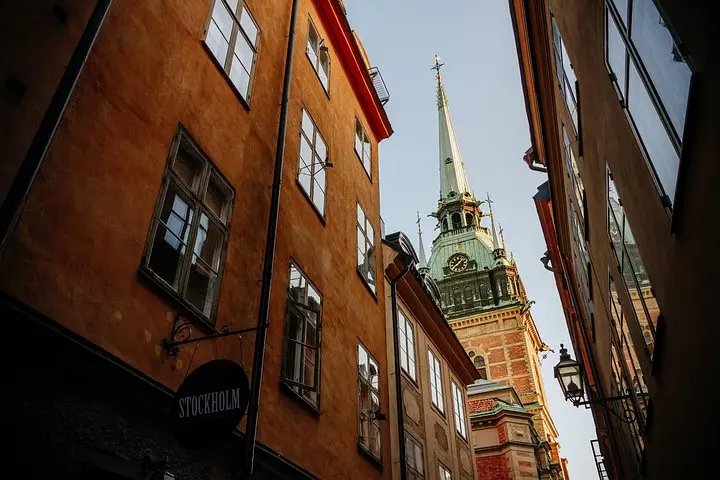
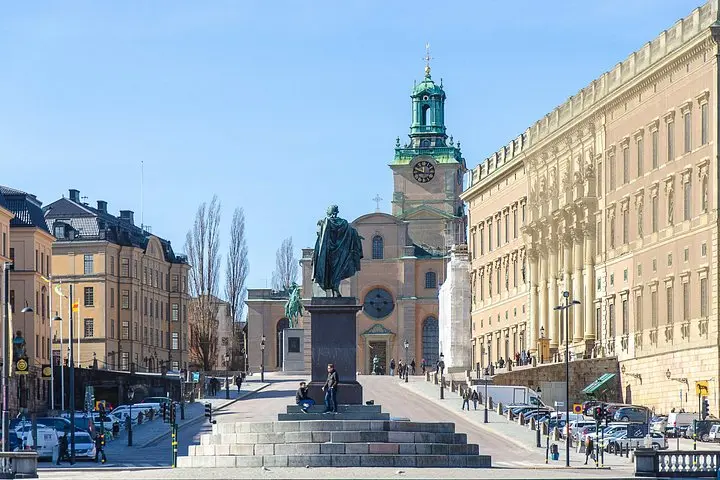
The route strings together civic power, royal legacy and maritime catastrophe. City Hall, completed in the early 20th century, projects civic ceremony from its tower and courtyard. Gamla Stan carries Medieval and Renaissance layers: narrow alleys, the Royal Palace and the Nobel Museum sit on foundations that trace Stockholm’s rise from a 13th-century trading settlement to a European capital. A short ferry to Djurgården delivers you to the Vasa Museum, home to the 17th-century warship that sank on her maiden voyage in 1628 and was salvaged almost intact in 1961.
Expect 5 hours of mainly gentle walking, staircases in historical buildings, a short ferry crossing, and a museum tour that focuses on construction, maritime trade, and the social context of Sweden’s great-power era. Wear comfortable shoes for cobbles and steps; bring a compact rain layer—Stockholm weather shifts fast.
Timing matters: mornings are quieter in the Old Town; late afternoons bring cruise crowds. Public transport and short ferry rides minimize car use, and you’ll leave with a clear sense of how sea, stone and politics shaped modern Stockholm.
Yes—the tour includes Vasa Museum entrance as noted, so you won’t need to purchase separate tickets for the ship exhibition.
The tour starts outside Stockholm City Hall near the main entrance and finishes at the Vasa Museum on Djurgården—check meeting instructions for exact meeting time and spot.
The tour involves cobblestones, steps and museum platforms; it’s not fully wheelchair accessible—contact the operator to discuss accommodations before booking.
Yes—the ferry and public transit routes are regular; however the group takes a specific ferry together to keep the schedule and included fares coordinated.
Tulium operates guided outdoor trips and adventures with an emphasis on safety, stewardship, and memorable experiences.
You step out onto the cobblestones as gulls wheel over the water, the brick profile of City Hall rising to your left and the ochre façades of Gamla Stan ahead. The guide leads a small group through a city that still feels like a working harbor—salt on the air, ferries carving the archipelago like punctuation.
You step out onto the cobblestones as gulls wheel over the water, the brick profile of City Hall rising to your left and the ochre façades of Gamla Stan ahead. The guide leads a small group through a city that still feels like a working harbor—salt on the air, ferries carving the archipelago like punctuation.
The route strings together civic power, royal legacy and maritime catastrophe. City Hall, completed in the early 20th century, projects civic ceremony from its tower and courtyard. Gamla Stan carries Medieval and Renaissance layers: narrow alleys, the Royal Palace and the Nobel Museum sit on foundations that trace Stockholm’s rise from a 13th-century trading settlement to a European capital. A short ferry to Djurgården delivers you to the Vasa Museum, home to the 17th-century warship that sank on her maiden voyage in 1628 and was salvaged almost intact in 1961.
Expect 5 hours of mainly gentle walking, staircases in historical buildings, a short ferry crossing, and a museum tour that focuses on construction, maritime trade, and the social context of Sweden’s great-power era. Wear comfortable shoes for cobbles and steps; bring a compact rain layer—Stockholm weather shifts fast.
Timing matters: mornings are quieter in the Old Town; late afternoons bring cruise crowds. Public transport and short ferry rides minimize car use, and you’ll leave with a clear sense of how sea, stone and politics shaped modern Stockholm.