THE ADVENTURE COLLECTIVE® · Independent discovery and booking for outdoor travel

Walk Gamla Stan’s narrow streets, cross the water by ferry to Djurgården, and skip the line at the Vasa Museum. This compact 3‑hour tour blends urban history, coastal views, and one of Sweden’s most iconic shipwrecks.
Walk Gamla Stan’s narrow streets, cross the water by ferry to Djurgården, and skip the line at the Vasa Museum. This compact 3‑hour tour blends urban history, coastal views, and one of Sweden’s most iconic shipwrecks.
The city breathes salt and stone as you meet under the Slottsbacken obelisk: gulls wheel above the harbor, cobbles cool beneath your shoes, and the Royal Palace looms uphill like a lived-in chronicle.
Verified experiences and guided adventures in the surrounding area.
Operated by Sweden History Tours · Stockholm, Stockholm County
The city breathes salt and stone as you meet under the Slottsbacken obelisk: gulls wheel above the harbor, cobbles cool beneath your shoes, and the Royal Palace looms uphill like a lived-in chronicle.
This three-hour small-group tour threads through Gamla Stan’s medieval alleys—Stortorget’s 17th‑century façades, the Old Town runestone, the iron square where merchants bartered—and then slips onto a ferry for a short crossing to Djurgården. The isle itself is geological and cultural relief: glacially scoured bedrock, former royal hunting grounds turned parkland, and museum façades that recall naval and Viking histories. The climax is the Vasa Museum, where the 17th‑century warship stands remarkably intact; guides narrate the Vasa’s hubris, sinking, and modern recovery while you bypass the public line.
Expect a blend of walking and waterborne perspective—stories of kings and naval yards, evidence of Stockholm’s timber-and-stone urban growth, and pockets of quiet parks on Djurgården. The route covers uneven cobbles, narrow alleys and a short ferry transfer; the operator runs tours with up to 15 people and requires a minimum of three to operate. Afternoon departures sometimes reverse the order to fit museum opening hours.
Practical edge: wear grippy shoes, layer for coastal winds, and bring a charged phone for photos and mobile tickets. Public transport links are excellent—T‑bana and tram stops are an easy prelude—so plan arrival 10–15 minutes early. This is an accessible, history-rich urban walk that combines shoreline views with one of Scandinavia’s finest maritime exhibits.
Meet at the Slottsbacken obelisk in Gamla Stan facing the water for morning tours; 16:00 tours start outside the Vasa Museum at the anchor—check your confirmation.
Yes—the one-way ferry to Djurgården is included as part of the tour price.
This tour includes skip‑the‑line access through group entrance procedures, though security checks still apply.
Parts of Gamla Stan have narrow, uneven cobbles that can be challenging; Djurgården and the Vasa Museum have better accessibility—contact the operator for specifics.
Sweden History Tours operates guided outdoor trips and adventures with an emphasis on safety, stewardship, and memorable experiences.
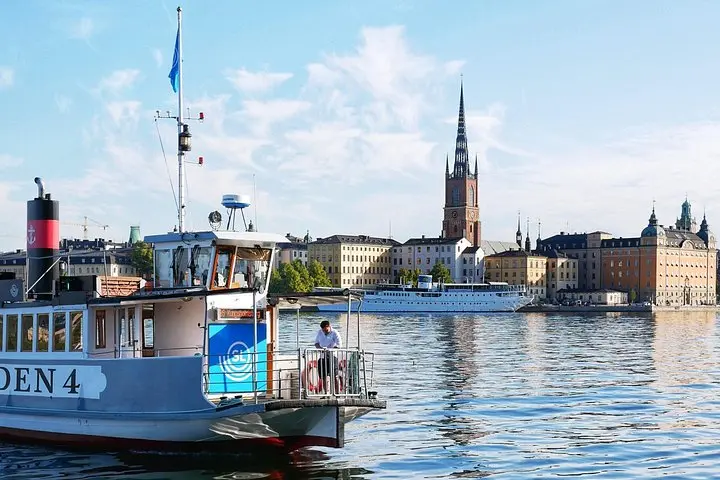



The city breathes salt and stone as you meet under the Slottsbacken obelisk: gulls wheel above the harbor, cobbles cool beneath your shoes, and the Royal Palace looms uphill like a lived-in chronicle.
The city breathes salt and stone as you meet under the Slottsbacken obelisk: gulls wheel above the harbor, cobbles cool beneath your shoes, and the Royal Palace looms uphill like a lived-in chronicle.
This three-hour small-group tour threads through Gamla Stan’s medieval alleys—Stortorget’s 17th‑century façades, the Old Town runestone, the iron square where merchants bartered—and then slips onto a ferry for a short crossing to Djurgården. The isle itself is geological and cultural relief: glacially scoured bedrock, former royal hunting grounds turned parkland, and museum façades that recall naval and Viking histories. The climax is the Vasa Museum, where the 17th‑century warship stands remarkably intact; guides narrate the Vasa’s hubris, sinking, and modern recovery while you bypass the public line.
Expect a blend of walking and waterborne perspective—stories of kings and naval yards, evidence of Stockholm’s timber-and-stone urban growth, and pockets of quiet parks on Djurgården. The route covers uneven cobbles, narrow alleys and a short ferry transfer; the operator runs tours with up to 15 people and requires a minimum of three to operate. Afternoon departures sometimes reverse the order to fit museum opening hours.
Practical edge: wear grippy shoes, layer for coastal winds, and bring a charged phone for photos and mobile tickets. Public transport links are excellent—T‑bana and tram stops are an easy prelude—so plan arrival 10–15 minutes early. This is an accessible, history-rich urban walk that combines shoreline views with one of Scandinavia’s finest maritime exhibits.