THE ADVENTURE COLLECTIVE® · Independent discovery and booking for outdoor travel

A four‑hour private shore excursion that pairs panoramic city views from Katarinahissen and the ceremonial City Hall with the arresting hull of the Vasa on Djurgården. Ideal for cruise passengers looking for efficient, skip‑the‑line access to Stockholm’s history.
A four‑hour private shore excursion that pairs panoramic city views from Katarinahissen and the ceremonial City Hall with the arresting hull of the Vasa on Djurgården. Ideal for cruise passengers looking for efficient, skip‑the‑line access to Stockholm’s history.
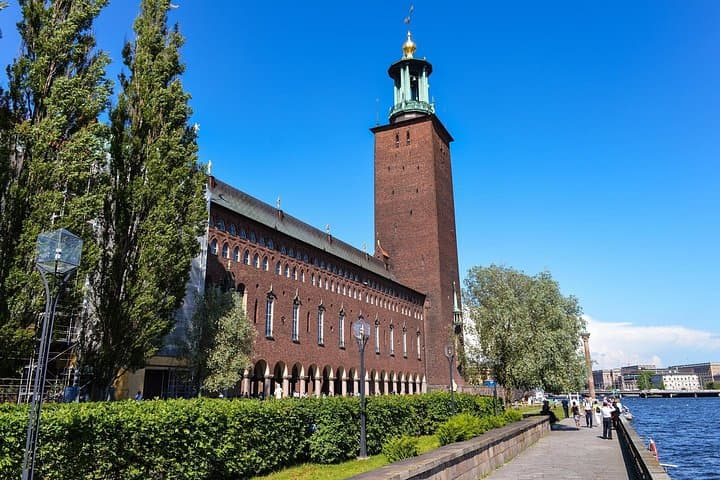
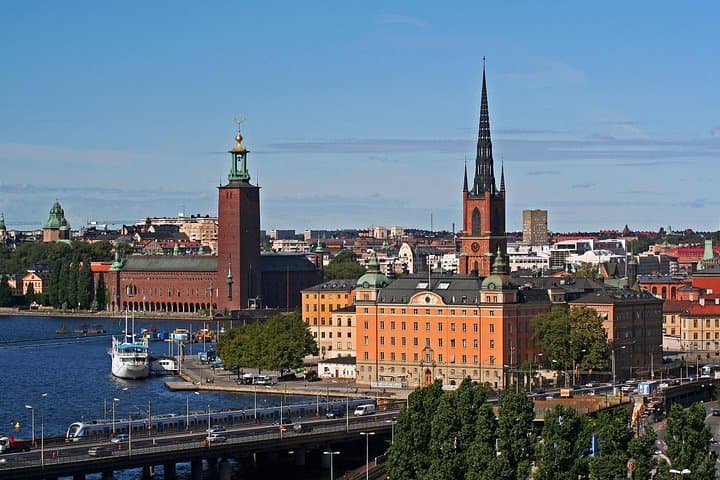
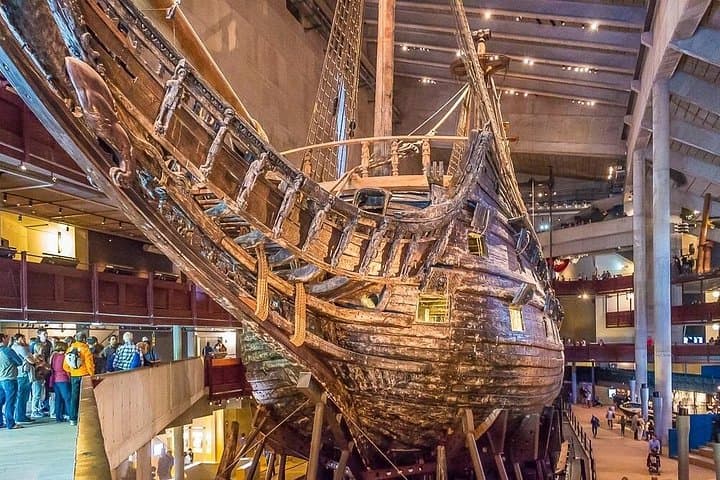
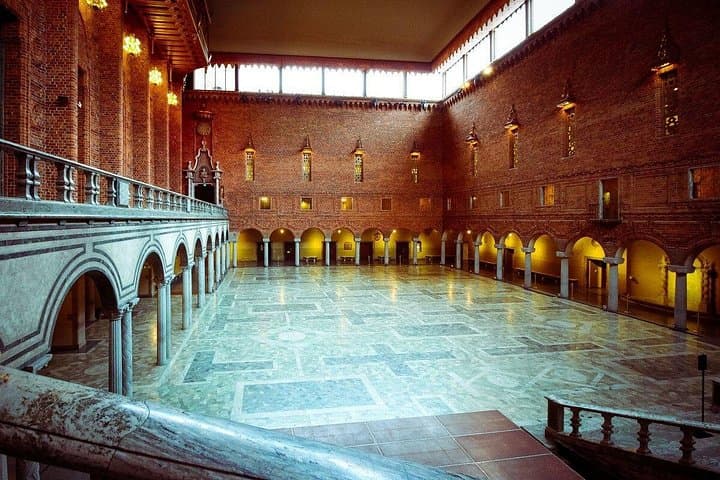
You step off the ship into crisp Baltic air and the city opens like a series of stages: a brick tower rising from the quay, a wooden hull frozen in time, and a green ribbon of parkland on Djurgården. This private shore excursion threads those stages together — an elevator ride to Katarinahissen’s 30‑meter viewpoint, a guided tour through Stockholm City Hall’s Blue and Golden Halls, then the Vasa Museum’s immense 17th‑century warship.
Verified experiences and guided adventures in the surrounding area.
Operated by Uopera tours · Stockholm, Stockholm County
You step off the ship into crisp Baltic air and the city opens like a series of stages: a brick tower rising from the quay, a wooden hull frozen in time, and a green ribbon of parkland on Djurgården. This private shore excursion threads those stages together — an elevator ride to Katarinahissen’s 30‑meter viewpoint, a guided tour through Stockholm City Hall’s Blue and Golden Halls, then the Vasa Museum’s immense 17th‑century warship.
Stockholm’s layers of history are on show: the City Hall (early 20th century) hosts the Nobel banquet and overlooks Kungsholmen’s waterfront; the Vasa, built 1626–1628 and salvaged in 1961, offers a rare look at preserved naval carpentry and 17th‑century life. Geologically the city sits on a post‑glacial archipelago; granite shorelines and shallow basins shaped both trade routes and the timber‑heavy navy that produced Vasa.
Expect mostly flat, urban walking — paved streets and some cobbles with short stair sections at viewpoints — totaling roughly 3–4 km on foot interspersed with private vehicle transfers from the port. Cultural notes: Djurgården was royal hunting grounds turned public park; nearby museums and cafés keep weekends lively.
Practical edge: the tour includes skip‑the‑line admission and private port pickup, but requires moderate fitness for walking and brief stair climbs. Dress for wind and sudden showers, carry a daypack with water and layers, and allow time to linger at the museum’s conservation displays — the Vasa’s preservation lab is part of the story.
Yes — the tour includes admission to both the Vasa Museum and Stockholm City Hall, with skip‑the‑line access where indicated.
Yes — the excursion includes private pickup and drop‑off at the port by vehicle; confirm your cruise details when booking.
Expect roughly 3–4 km of walking on paved streets and some cobbled sections; there are short stairs at viewpoints, and museums have accessible routes but confirm specific needs in advance.
Photography for personal use is generally allowed inside the Vasa Museum, though flash or tripods may be restricted — follow onsite signage.
Uopera tours operates guided outdoor trips and adventures with an emphasis on safety, stewardship, and memorable experiences.
You step off the ship into crisp Baltic air and the city opens like a series of stages: a brick tower rising from the quay, a wooden hull frozen in time, and a green ribbon of parkland on Djurgården. This private shore excursion threads those stages together — an elevator ride to Katarinahissen’s 30‑meter viewpoint, a guided tour through Stockholm City Hall’s Blue and Golden Halls, then the Vasa Museum’s immense 17th‑century warship.
You step off the ship into crisp Baltic air and the city opens like a series of stages: a brick tower rising from the quay, a wooden hull frozen in time, and a green ribbon of parkland on Djurgården. This private shore excursion threads those stages together — an elevator ride to Katarinahissen’s 30‑meter viewpoint, a guided tour through Stockholm City Hall’s Blue and Golden Halls, then the Vasa Museum’s immense 17th‑century warship.
Stockholm’s layers of history are on show: the City Hall (early 20th century) hosts the Nobel banquet and overlooks Kungsholmen’s waterfront; the Vasa, built 1626–1628 and salvaged in 1961, offers a rare look at preserved naval carpentry and 17th‑century life. Geologically the city sits on a post‑glacial archipelago; granite shorelines and shallow basins shaped both trade routes and the timber‑heavy navy that produced Vasa.
Expect mostly flat, urban walking — paved streets and some cobbles with short stair sections at viewpoints — totaling roughly 3–4 km on foot interspersed with private vehicle transfers from the port. Cultural notes: Djurgården was royal hunting grounds turned public park; nearby museums and cafés keep weekends lively.
Practical edge: the tour includes skip‑the‑line admission and private port pickup, but requires moderate fitness for walking and brief stair climbs. Dress for wind and sudden showers, carry a daypack with water and layers, and allow time to linger at the museum’s conservation displays — the Vasa’s preservation lab is part of the story.