THE ADVENTURE COLLECTIVE® · Independent discovery and booking for outdoor travel

A full-day loop from Pelješac to Korčula that pairs medieval ramparts and artisanal oysters with family-run wineries and a hearty local lunch. Ideal for travelers who want seaside history, coastal flavors, and relaxed wine-country walking in a single day.
A full-day loop from Pelješac to Korčula that pairs medieval ramparts and artisanal oysters with family-run wineries and a hearty local lunch. Ideal for travelers who want seaside history, coastal flavors, and relaxed wine-country walking in a single day.
You step out of the minivan where the salt pans flatten to a glassy horizon and the Ston Walls rise like a low, patient rampart above the tidal flats. Sea air cuts through the scent of rosemary; gulls test the currents and the distant ferry chugs toward Korčula’s green spine.
Verified experiences and guided adventures in the surrounding area.
Operated by Private Tours Travel Agency · Ston, Dubrovnik-Neretva County
You step out of the minivan where the salt pans flatten to a glassy horizon and the Ston Walls rise like a low, patient rampart above the tidal flats. Sea air cuts through the scent of rosemary; gulls test the currents and the distant ferry chugs toward Korčula’s green spine.
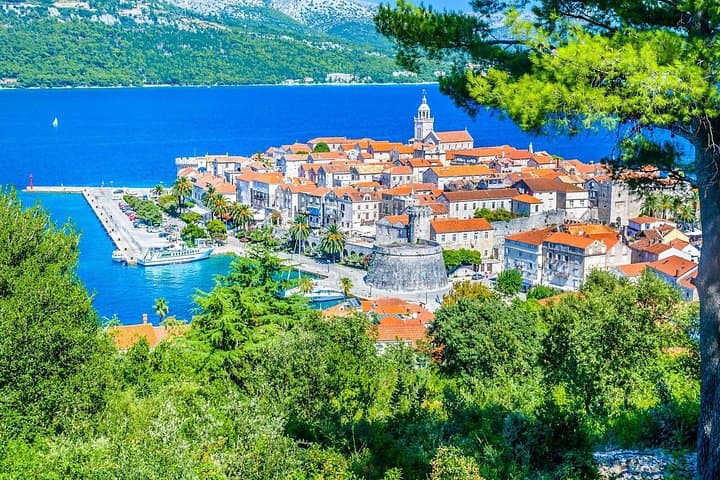
This one-day loop threads Pelješac’s vineyard terraces, the medieval defenses of Ston and the compact, alley-laced old town of Korčula. Ston’s walls—among Europe’s longest fortifications—protect centuries of saltworks that shaped the local economy; the peninsula’s limestone underpins narrow ridgelines and pockets of red clay that vines have exploited for generations. Korčula town, built on a rocky peninsula, preserves Venetian Gothic architecture and a street-grid that funnels afternoon light into stone courtyards.
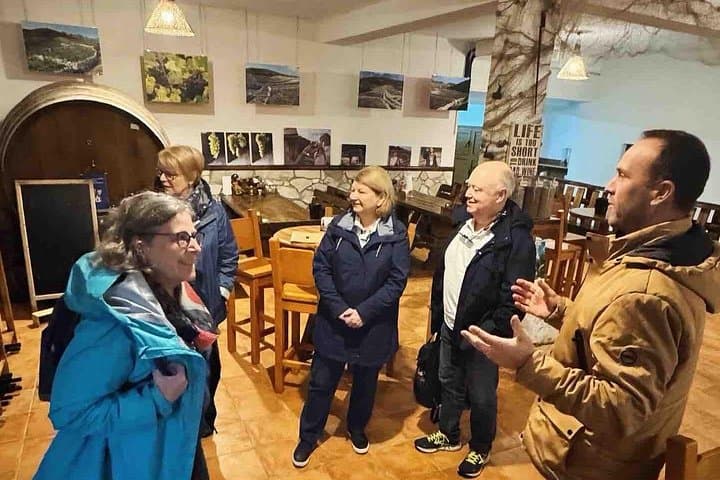
Culturally, the day is part tasting, part coastal foraging: Mali Ston’s oysters and family farms practice aquaculture that’s been refined locally for decades, while small family wineries on Pelješac offer blends of plavac mali and pošip and a direct look at hands-on winemaking.
Practical guide: expect 7–8 hours with several short walks over cobbles and a short ferry or boat crossing. Wear grippy shoes for uneven streets, bring sun protection, and carry a small daypack for layers—sea breezes can cool quickly. If you’re prone to seasickness, take precautions before the crossing. Cash is handy for small oyster farms and local vendors; most wineries accept cards. Plan pickup from Dubrovnik or nearby towns early to maximize daylight; the schedule balances tasting, a relaxed lunch, and time to explore Korčula’s ramparts before you return.
Most departures arrange pickup from Dubrovnik or nearby Pelješac towns and return to the original pickup point at the end of the day.
Oyster tasting at Mali Ston is available on request; confirm when booking as some farms require advance notice or an extra fee.
This is a private day tour with transportation included; expect a private vehicle and local driver-guide for the full day.
Yes—inform the operator when booking so the winery and restaurant can prepare suitable options.
Private Tours Travel Agency operates guided outdoor trips and adventures with an emphasis on safety, stewardship, and memorable experiences.

You step out of the minivan where the salt pans flatten to a glassy horizon and the Ston Walls rise like a low, patient rampart above the tidal flats. Sea air cuts through the scent of rosemary; gulls test the currents and the distant ferry chugs toward Korčula’s green spine.
You step out of the minivan where the salt pans flatten to a glassy horizon and the Ston Walls rise like a low, patient rampart above the tidal flats. Sea air cuts through the scent of rosemary; gulls test the currents and the distant ferry chugs toward Korčula’s green spine.
This one-day loop threads Pelješac’s vineyard terraces, the medieval defenses of Ston and the compact, alley-laced old town of Korčula. Ston’s walls—among Europe’s longest fortifications—protect centuries of saltworks that shaped the local economy; the peninsula’s limestone underpins narrow ridgelines and pockets of red clay that vines have exploited for generations. Korčula town, built on a rocky peninsula, preserves Venetian Gothic architecture and a street-grid that funnels afternoon light into stone courtyards.
Culturally, the day is part tasting, part coastal foraging: Mali Ston’s oysters and family farms practice aquaculture that’s been refined locally for decades, while small family wineries on Pelješac offer blends of plavac mali and pošip and a direct look at hands-on winemaking.
Practical guide: expect 7–8 hours with several short walks over cobbles and a short ferry or boat crossing. Wear grippy shoes for uneven streets, bring sun protection, and carry a small daypack for layers—sea breezes can cool quickly. If you’re prone to seasickness, take precautions before the crossing. Cash is handy for small oyster farms and local vendors; most wineries accept cards. Plan pickup from Dubrovnik or nearby towns early to maximize daylight; the schedule balances tasting, a relaxed lunch, and time to explore Korčula’s ramparts before you return.