THE ADVENTURE COLLECTIVE® · Independent discovery and booking for outdoor travel

Explore Stone Town’s narrow alleys and the fragrant plots of a Zanzibar spice farm on a private half-day tour. Historic sites, tactile spice tastings and local stories combine for a compact cultural and sensory outing.
Explore Stone Town’s narrow alleys and the fragrant plots of a Zanzibar spice farm on a private half-day tour. Historic sites, tactile spice tastings and local stories combine for a compact cultural and sensory outing.
You step from the coastal breeze into a maze of narrow alleys where coral-stone walls keep the sun and the city’s history close. The air shifts from salt to spice within an hour: cloves, cinnamon and black pepper moving like a soft percussion that follows you from Stone Town’s old forts to the shaded paths of a family-run spice farm.
Verified experiences and guided adventures in the surrounding area.
Operated by Pongwe Tour & Safari · Stone Town, Zanzibar
You step from the coastal breeze into a maze of narrow alleys where coral-stone walls keep the sun and the city’s history close. The air shifts from salt to spice within an hour: cloves, cinnamon and black pepper moving like a soft percussion that follows you from Stone Town’s old forts to the shaded paths of a family-run spice farm.
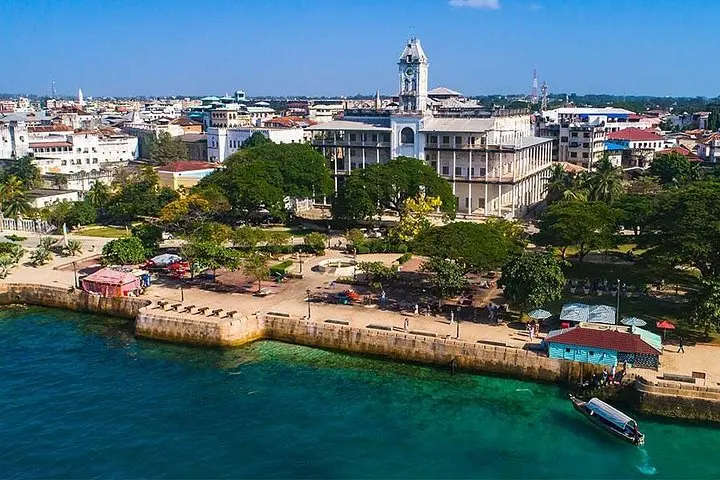
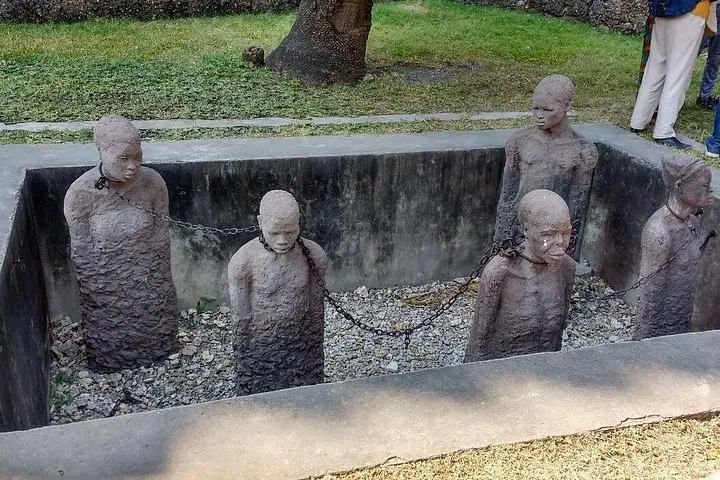
Stone Town is built from fossilized coral and traded goods—its crenellated doors, carved balconies and the House of Wonders recall the Omani sultans and the East African trading era. The Anglican Church site marks the unsettling history of the slave trade, while the Old Fort and the Freddie Mercury house map cultural threads of colonialism, migration and music.
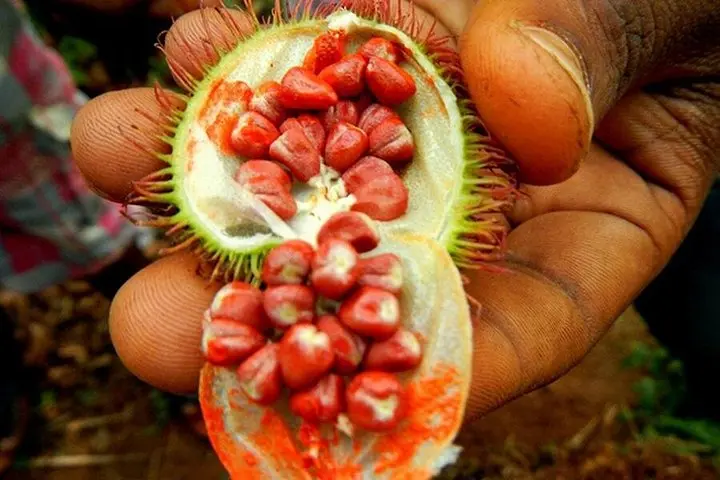
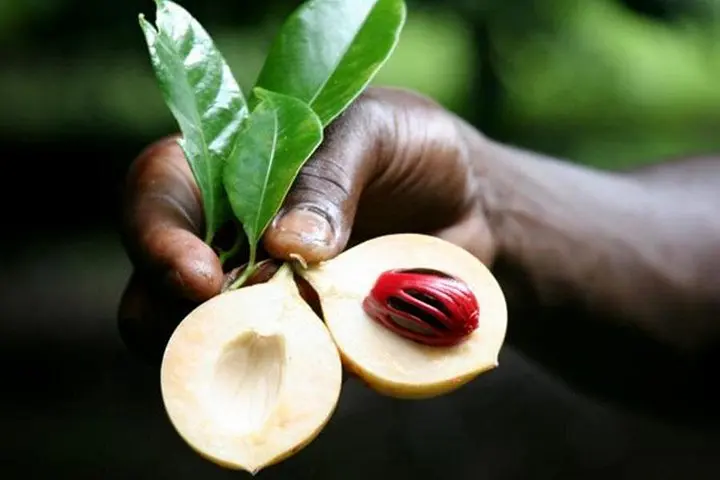
At the spice farm you’ll walk under pepper vines and taste raw cloves and coconut; the guide explains cultivation cycles—how cloves dominated Zanzibar’s nineteenth-century economy and still scent the island. Geologically, Unguja’s limestone beds and coral rag shaped local architecture and the shoreline that fishermen still navigate today.
Practical guidance: the combined itinerary runs roughly 2–5 hours including transfers from Stone Town; expect flat but cobbled walking, tight alleys and shaded farm tracks. Dress modestly and wear closed-toe walking shoes, bring sunscreen and a refillable water bottle, and keep small cash for market purchases and tips. Midday heat peaks quickly—start early or late afternoon for cooler air. The tour is accessible and suitable for most fitness levels, and it pairs cultural history with hands-on botanical insight for a compact, informative half-day on Zanzibar.
The tour runs about 2–5 hours depending on your pickup location in Stone Town and time spent at the spice farm; transfers usually add up to an hour round-trip.
Yes—entry fees for listed Stone Town sites are included in the tour price according to the itinerary.
The operator lists wheelchair and stroller accessibility, but uneven cobbles and narrow alleys can be challenging—check specific pickup/drop-off access in advance.
Visa and vaccine requirements depend on your nationality; check Tanzanian entry rules and routine travel vaccinations before travel.
Pongwe Tour & Safari operates guided outdoor trips and adventures with an emphasis on safety, stewardship, and memorable experiences.
You step from the coastal breeze into a maze of narrow alleys where coral-stone walls keep the sun and the city’s history close. The air shifts from salt to spice within an hour: cloves, cinnamon and black pepper moving like a soft percussion that follows you from Stone Town’s old forts to the shaded paths of a family-run spice farm.
You step from the coastal breeze into a maze of narrow alleys where coral-stone walls keep the sun and the city’s history close. The air shifts from salt to spice within an hour: cloves, cinnamon and black pepper moving like a soft percussion that follows you from Stone Town’s old forts to the shaded paths of a family-run spice farm.
Stone Town is built from fossilized coral and traded goods—its crenellated doors, carved balconies and the House of Wonders recall the Omani sultans and the East African trading era. The Anglican Church site marks the unsettling history of the slave trade, while the Old Fort and the Freddie Mercury house map cultural threads of colonialism, migration and music.
At the spice farm you’ll walk under pepper vines and taste raw cloves and coconut; the guide explains cultivation cycles—how cloves dominated Zanzibar’s nineteenth-century economy and still scent the island. Geologically, Unguja’s limestone beds and coral rag shaped local architecture and the shoreline that fishermen still navigate today.
Practical guidance: the combined itinerary runs roughly 2–5 hours including transfers from Stone Town; expect flat but cobbled walking, tight alleys and shaded farm tracks. Dress modestly and wear closed-toe walking shoes, bring sunscreen and a refillable water bottle, and keep small cash for market purchases and tips. Midday heat peaks quickly—start early or late afternoon for cooler air. The tour is accessible and suitable for most fitness levels, and it pairs cultural history with hands-on botanical insight for a compact, informative half-day on Zanzibar.