THE ADVENTURE COLLECTIVE® · Independent discovery and booking for outdoor travel

Walk Stone Town’s seafront alleys, visit the House of Wonders and the Slave Market, and explore the Tanzanite Museum to learn how this rare gem is mined and cut. This full-day cultural tour blends architecture, history, and live gem demonstrations with practical guidance for visiting Zanzibar’s urban heart.
Walk Stone Town’s seafront alleys, visit the House of Wonders and the Slave Market, and explore the Tanzanite Museum to learn how this rare gem is mined and cut. This full-day cultural tour blends architecture, history, and live gem demonstrations with practical guidance for visiting Zanzibar’s urban heart.
The morning air off the Indian Ocean pushes through Stone Town’s narrow alleys like a fresh page being turned. You step beneath carved wooden doors and into streets that still move at the rhythm of centuries: vendors calling, bicycles threading between foot traffic, and the faint metallic glint of jewelry shops where Tanzanite’s deep-blue flashes catch the light.
Verified experiences and guided adventures in the surrounding area.
Operated by Wise Tour Guide · Stone Town, Zanzibar
The morning air off the Indian Ocean pushes through Stone Town’s narrow alleys like a fresh page being turned. You step beneath carved wooden doors and into streets that still move at the rhythm of centuries: vendors calling, bicycles threading between foot traffic, and the faint metallic glint of jewelry shops where Tanzanite’s deep-blue flashes catch the light.
Stone Town’s streets tell a layered story — Omani sultans reshaped the skyline in the 19th century, leaving coral-stone walls and massive carved doors; the House of Wonders, built by Sultan Barghash in 1883, heralded modernity as the first East African building with electricity and an elevator. The Slave Market and Anglican Cathedral mark a darker chapter tied to Zanzibar’s pivotal role in the East African slave trade. Geology enters the tale at the Tanzanite Museum: this gemstone, discovered in Tanzania in 1967 and formed from regional tectonics near Kilimanjaro, is unique to the country.
Practically, the tour blends museum visits with walking between landmarks — Old Fort, Forodhani waterfront, Freddie Mercury’s birthplace — so expect urban terrain: paved streets, occasional uneven stone, and crowded market sections. Bring sun protection, modest clothing for religious and memorial sites, and modest haggling skills for certified Tanzanite pieces. The day moves at a measured pace; guides explain history, demonstrate gem-cutting, and point out conservation efforts to preserve Stone Town’s coral-stone architecture. Wheelchair access is possible in many areas, but some alleys and older buildings have narrow thresholds. Plan for six active hours, stay hydrated, and allow time at Forodhani Gardens for a sunset snack — the ocean will remind you why this port shaped a global crossroads.
This is a full-day private tour of approximately six hours with a moderate walking pace and time spent inside museums and historical sites.
Many areas and transportation options are wheelchair accessible, but some historic buildings and narrow alleys may present access limitations—confirm specifics with the operator.
Yes — the Tanzanite Museum and local galleries sell certified stones; always request certification, inspect the stone in natural light, and buy from reputable vendors.
Bottled water is included; food is generally not included beyond opportunities to sample local street food at places like Forodhani Gardens—confirm meal inclusions when booking.
Wise Tour Guide operates guided outdoor trips and adventures with an emphasis on safety, stewardship, and memorable experiences.
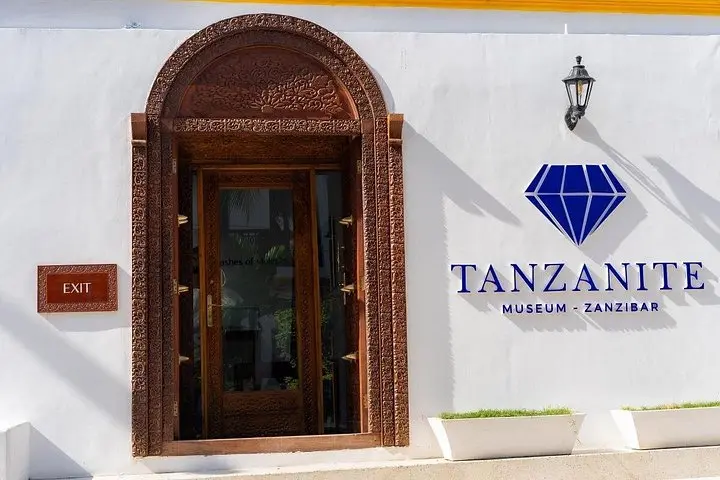
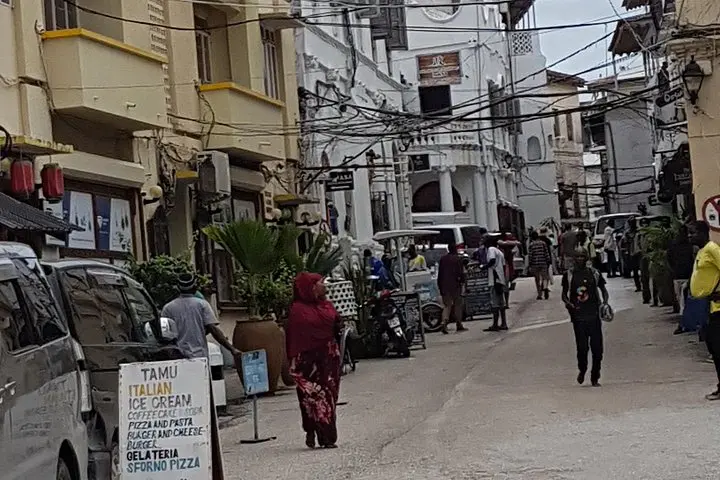
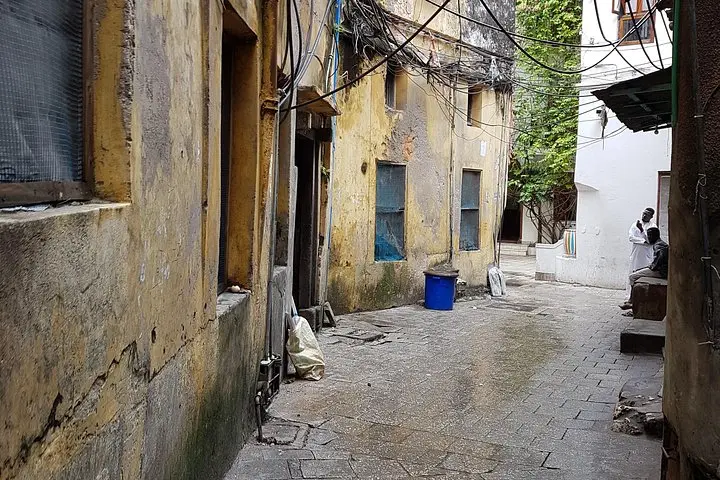
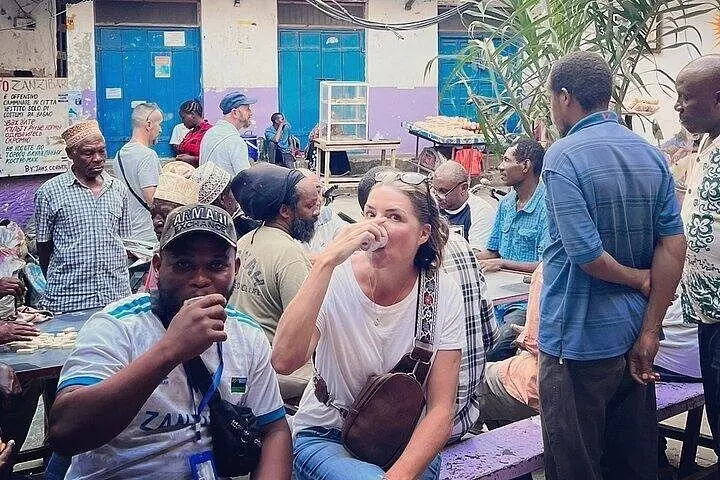
The morning air off the Indian Ocean pushes through Stone Town’s narrow alleys like a fresh page being turned. You step beneath carved wooden doors and into streets that still move at the rhythm of centuries: vendors calling, bicycles threading between foot traffic, and the faint metallic glint of jewelry shops where Tanzanite’s deep-blue flashes catch the light.
The morning air off the Indian Ocean pushes through Stone Town’s narrow alleys like a fresh page being turned. You step beneath carved wooden doors and into streets that still move at the rhythm of centuries: vendors calling, bicycles threading between foot traffic, and the faint metallic glint of jewelry shops where Tanzanite’s deep-blue flashes catch the light.
Stone Town’s streets tell a layered story — Omani sultans reshaped the skyline in the 19th century, leaving coral-stone walls and massive carved doors; the House of Wonders, built by Sultan Barghash in 1883, heralded modernity as the first East African building with electricity and an elevator. The Slave Market and Anglican Cathedral mark a darker chapter tied to Zanzibar’s pivotal role in the East African slave trade. Geology enters the tale at the Tanzanite Museum: this gemstone, discovered in Tanzania in 1967 and formed from regional tectonics near Kilimanjaro, is unique to the country.
Practically, the tour blends museum visits with walking between landmarks — Old Fort, Forodhani waterfront, Freddie Mercury’s birthplace — so expect urban terrain: paved streets, occasional uneven stone, and crowded market sections. Bring sun protection, modest clothing for religious and memorial sites, and modest haggling skills for certified Tanzanite pieces. The day moves at a measured pace; guides explain history, demonstrate gem-cutting, and point out conservation efforts to preserve Stone Town’s coral-stone architecture. Wheelchair access is possible in many areas, but some alleys and older buildings have narrow thresholds. Plan for six active hours, stay hydrated, and allow time at Forodhani Gardens for a sunset snack — the ocean will remind you why this port shaped a global crossroads.