THE ADVENTURE COLLECTIVE® · Independent discovery and booking for outdoor travel

Walk three hours through Stone Town’s narrow lanes from the Old Fort to the Freddie Mercury Museum. This private tour blends coral-stone architecture, market life, and poignant history with practical tips for timing, dress, and what to bring.
Walk three hours through Stone Town’s narrow lanes from the Old Fort to the Freddie Mercury Museum. This private tour blends coral-stone architecture, market life, and poignant history with practical tips for timing, dress, and what to bring.
The sea breeze from the harbor presses against your face as you step out of a shaded alley and into Stone Town’s living maze. Sunlight pools on carved wooden doors while the ocean, just beyond the old fort, dares you to look back and keep walking.
Verified experiences and guided adventures in the surrounding area.
Operated by AFRICA NATURAL TOURS · Zanzibar City, Zanzibar
The sea breeze from the harbor presses against your face as you step out of a shaded alley and into Stone Town’s living maze. Sunlight pools on carved wooden doors while the ocean, just beyond the old fort, dares you to look back and keep walking.
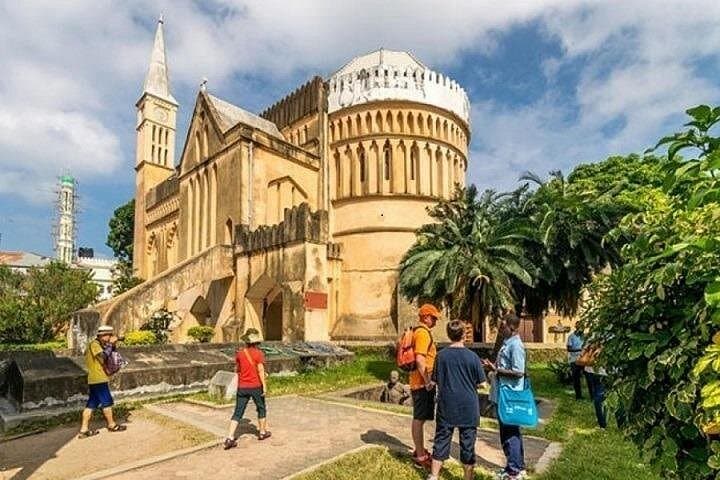
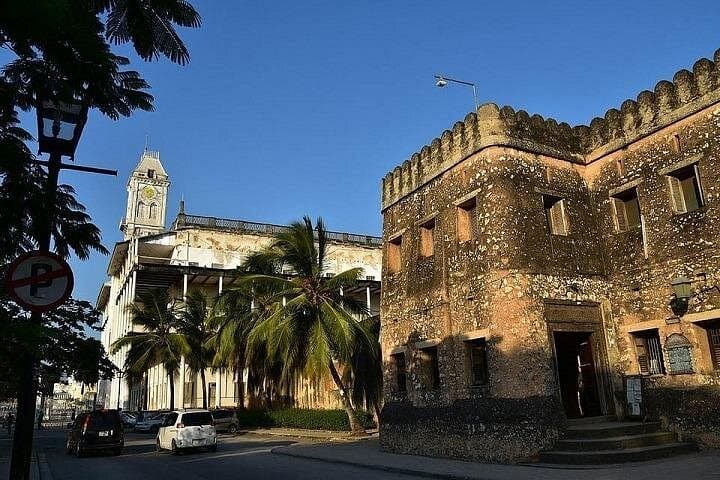
This three-hour private walking tour threads through Zanzibar City’s World Heritage core — former trading lanes carved from coral rag and rebuilt by Omani masons. You’ll pass the 17th-century Old Fort, the lively Forodhani Gardens where sunset crowds gather, the spice-scented corridors of Darajani Bazaar, and the sobering Old Slave Market and Anglican Cathedral. Freddie Mercury’s museum closes the loop with a modern cultural note.
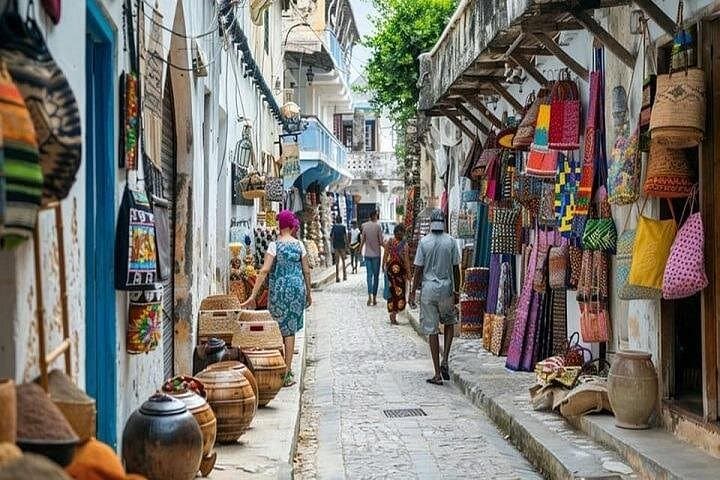
Geology here is visible in the buildings: compacted coral stone and lime mortar shaped the urban fabric, while histories of Omani rule, Indian ocean trade, and European colonialism are written into gate carvings and shopfronts. Swahili culture remains vibrant — the language, food stalls, and dhow traffic all point to centuries of exchange.
Practical guidance: the route is mostly flat but cobbles and occasional steps demand sturdy shoes and careful footing. Aim for late afternoon to catch Forodhani at sunset and milder temperatures. Bring sunscreen, a refillable bottle (bottled water is supplied), small cash for market purchases, and modest dress out of respect for local norms.
The tour is accessible to most fitness levels and offers a condensed, contextual view of Stone Town’s archaeology, architecture, and living culture — compact, walkable, and rich in stories.
The itinerary runs about three hours, including stops at the Old Fort, Forodhani Gardens, Darajani Bazaar, the Old Slave Market, and the Freddie Mercury Museum.
No — it’s classified as easy, but expect uneven surfaces and some steps; comfortable walking shoes are recommended.
According to the listing, admissions and all fees are included; confirm when booking if any special exhibits require extra payment.
Yes — the tour includes hotel pickup and drop-off within Zanzibar City; provide your pickup point when booking.
AFRICA NATURAL TOURS operates guided outdoor trips and adventures with an emphasis on safety, stewardship, and memorable experiences.
The sea breeze from the harbor presses against your face as you step out of a shaded alley and into Stone Town’s living maze. Sunlight pools on carved wooden doors while the ocean, just beyond the old fort, dares you to look back and keep walking.
The sea breeze from the harbor presses against your face as you step out of a shaded alley and into Stone Town’s living maze. Sunlight pools on carved wooden doors while the ocean, just beyond the old fort, dares you to look back and keep walking.
This three-hour private walking tour threads through Zanzibar City’s World Heritage core — former trading lanes carved from coral rag and rebuilt by Omani masons. You’ll pass the 17th-century Old Fort, the lively Forodhani Gardens where sunset crowds gather, the spice-scented corridors of Darajani Bazaar, and the sobering Old Slave Market and Anglican Cathedral. Freddie Mercury’s museum closes the loop with a modern cultural note.
Geology here is visible in the buildings: compacted coral stone and lime mortar shaped the urban fabric, while histories of Omani rule, Indian ocean trade, and European colonialism are written into gate carvings and shopfronts. Swahili culture remains vibrant — the language, food stalls, and dhow traffic all point to centuries of exchange.
Practical guidance: the route is mostly flat but cobbles and occasional steps demand sturdy shoes and careful footing. Aim for late afternoon to catch Forodhani at sunset and milder temperatures. Bring sunscreen, a refillable bottle (bottled water is supplied), small cash for market purchases, and modest dress out of respect for local norms.
The tour is accessible to most fitness levels and offers a condensed, contextual view of Stone Town’s archaeology, architecture, and living culture — compact, walkable, and rich in stories.