THE ADVENTURE COLLECTIVE® · Independent discovery and booking for outdoor travel

Walk Stone Town’s car-free alleys, sample spices straight from the plantation, and visit sites that tell Zanzibar’s complex past. This half-day tour blends architecture, aroma, and history into a tangible, five-hour experience.
Walk Stone Town’s car-free alleys, sample spices straight from the plantation, and visit sites that tell Zanzibar’s complex past. This half-day tour blends architecture, aroma, and history into a tangible, five-hour experience.
You step off the minivan into a sticky, sun-warmed alley where carved doors stare back like slow-moving witnesses. The tour moves on foot—through narrow, mostly car-free lanes—so the city’s pulse is literal under your shoes: traders calling, spices scenting the air, kids darting between stalls.
Verified experiences and guided adventures in the surrounding area.
Operated by Zansafari Tours and travels · Stone Town, Zanzibar
You step off the minivan into a sticky, sun-warmed alley where carved doors stare back like slow-moving witnesses. The tour moves on foot—through narrow, mostly car-free lanes—so the city’s pulse is literal under your shoes: traders calling, spices scenting the air, kids darting between stalls.
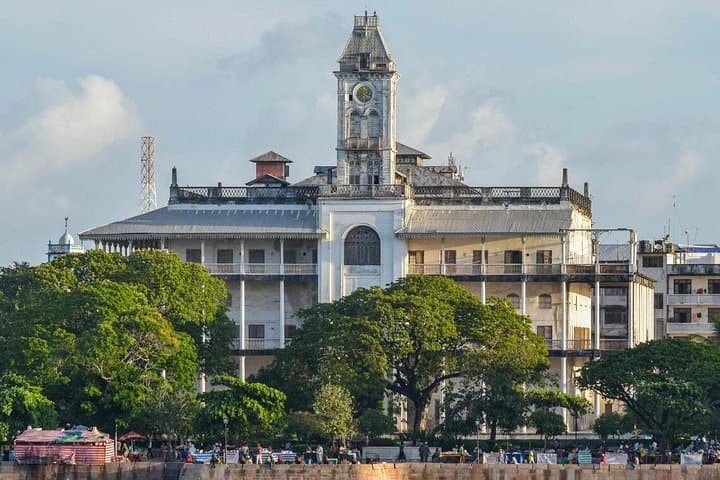
Stone Town is a layered place: centuries of Omani sultans, Persian merchants, and European colonials carved its coral-stone buildings, while the spice trade and the slave trade shaped its fortunes and scars. The tour pairs that urban history with a nearby spice plantation where cloves, cinnamon, vanilla, and cardamom grow in humid, shaded plots; the plants practically dare you to inhale. A guide—an art historian in this offering—connects architecture and aroma, from the House of Wonders and Old Fort to the Anglican Cathedral built on the former slave market.
Expect sensory contrasts: cramped, sunlit alleys opening onto coastal breezes at Forodhani Gardens, the sweet bite of fresh mango and pineapple at the spice farm, and a sober visit to the underground slave chambers. Practicalities matter: uneven cobbles, tropical heat, and busy market bargaining. The afternoon format (about five hours) includes hotel pickup/drop-off, entrance fees, bottled water, and spice tastings.
For travelers, this is part cultural walk, part botanical primer—ideal for anyone who wants history linked to place and flavor. Go with comfortable shoes, sun protection, and a readiness to listen: the island’s stories are told as much in doors and alleyways as they are by guides.
This is a roughly five-hour guided experience that includes hotel pickup/drop-off, entrance fees, bottled water, spice tasting, and visits to Stone Town landmarks and a spice plantation.
The itinerary involves walking on uneven cobbles, stairs, and narrow alleys; it’s labeled suitable for most fitness levels, but participants with significant mobility limitations should check accessibility before booking.
Yes—there’s typically a small shop selling locally produced spices and essential oils; ask the guide about sourcing practices and look for pure, single-origin products.
Tipping is customary but discretionary; small gratuities for a knowledgeable guide and driver are appreciated and common among visitors.
Zansafari Tours and travels operates guided outdoor trips and adventures with an emphasis on safety, stewardship, and memorable experiences.


You step off the minivan into a sticky, sun-warmed alley where carved doors stare back like slow-moving witnesses. The tour moves on foot—through narrow, mostly car-free lanes—so the city’s pulse is literal under your shoes: traders calling, spices scenting the air, kids darting between stalls.
You step off the minivan into a sticky, sun-warmed alley where carved doors stare back like slow-moving witnesses. The tour moves on foot—through narrow, mostly car-free lanes—so the city’s pulse is literal under your shoes: traders calling, spices scenting the air, kids darting between stalls.
Stone Town is a layered place: centuries of Omani sultans, Persian merchants, and European colonials carved its coral-stone buildings, while the spice trade and the slave trade shaped its fortunes and scars. The tour pairs that urban history with a nearby spice plantation where cloves, cinnamon, vanilla, and cardamom grow in humid, shaded plots; the plants practically dare you to inhale. A guide—an art historian in this offering—connects architecture and aroma, from the House of Wonders and Old Fort to the Anglican Cathedral built on the former slave market.
Expect sensory contrasts: cramped, sunlit alleys opening onto coastal breezes at Forodhani Gardens, the sweet bite of fresh mango and pineapple at the spice farm, and a sober visit to the underground slave chambers. Practicalities matter: uneven cobbles, tropical heat, and busy market bargaining. The afternoon format (about five hours) includes hotel pickup/drop-off, entrance fees, bottled water, and spice tastings.
For travelers, this is part cultural walk, part botanical primer—ideal for anyone who wants history linked to place and flavor. Go with comfortable shoes, sun protection, and a readiness to listen: the island’s stories are told as much in doors and alleyways as they are by guides.