THE ADVENTURE COLLECTIVE® · Independent discovery and booking for outdoor travel

Walk the corridors of Stone Town’s layered history, then inhale the sharp perfumes of a working spice farm before a Swahili lunch. This private six‑hour tour pairs cultural landmarks with hands‑on sensory experiences.
Walk the corridors of Stone Town’s layered history, then inhale the sharp perfumes of a working spice farm before a Swahili lunch. This private six‑hour tour pairs cultural landmarks with hands‑on sensory experiences.
A shoreline breeze threads through the narrow alleys of Stone Town as the city wakes: wooden doors throw sharp shadows, the call of a market vendor folds into the rattle of a passing dala-dala, and a distant tide pushes a salt-sweet breath through the lanes. This full-day private tour moves at a walking pace through those alleys before opening into the green, fragrant rows of a nearby spice farm.
Verified experiences and guided adventures in the surrounding area.
Operated by COASTLINE TOURS AND TRAVEL · Stone Town, Zanzibar
A shoreline breeze threads through the narrow alleys of Stone Town as the city wakes: wooden doors throw sharp shadows, the call of a market vendor folds into the rattle of a passing dala-dala, and a distant tide pushes a salt-sweet breath through the lanes. This full-day private tour moves at a walking pace through those alleys before opening into the green, fragrant rows of a nearby spice farm.
Stone Town is UNESCO-listed for good reason—coral stone walls and Arabic, Persian, Indian and European influences stack into low, sunbaked architecture. The Old Fort’s weathered stones recall Omani defenses; the Anglican Cathedral marks the painful locus of the 19th-century slave trade; a small museum celebrates the island’s most famous son, Freddie Mercury. Geologically, the town sits on coral rag and limestone—flat, porous ground with little elevation gain—while the spice farms to the east grow in richer, alluvial soils irrigated by seasonal rains.
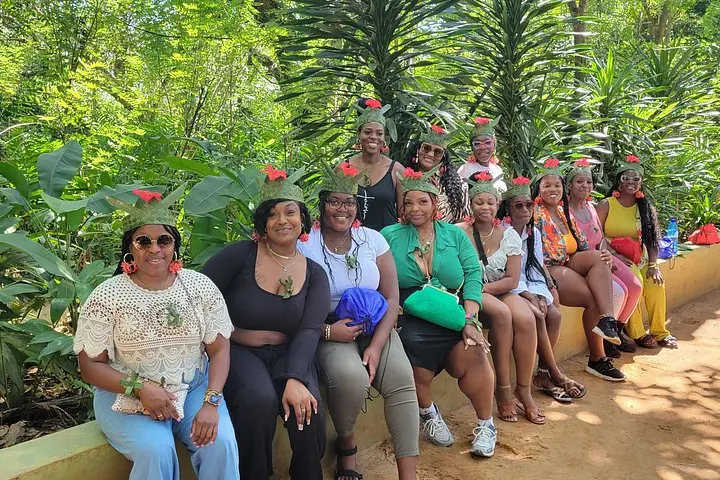
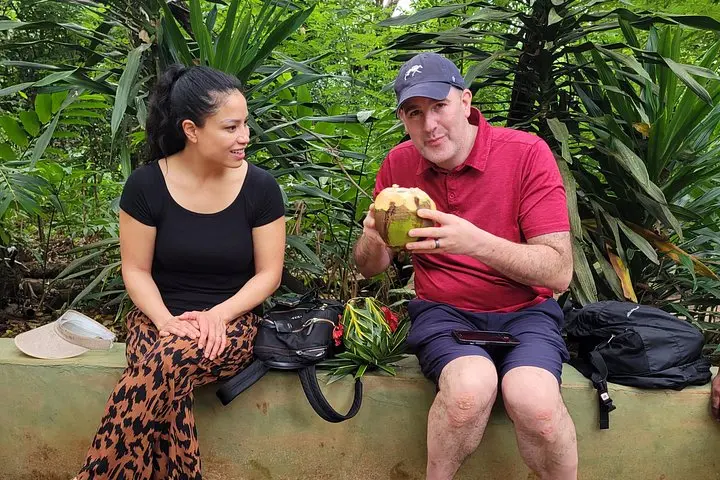
Culturally the day combines history with hands-on senses: carved doors, Swahili recipes, and the bright, sharp perfumes of cloves, cinnamon, vanilla and cardamom. A coconut climber demonstrates a skill passed down through generations; a farm-to-table Swahili lunch uses those same spices.
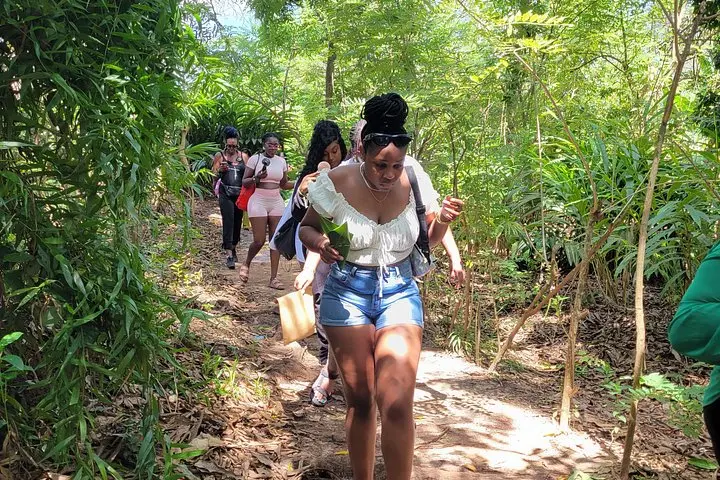
Practical guide: Expect roughly 6 hours total, with 3–5 km of walking on uneven cobblestones and short drives to the farm. Wear sturdy walking shoes, bring sun protection, and carry local currency for small purchases and tips. Respect religious sites with modest dress and follow your guide’s cues at sensitive historical locations. The pace is gentle but immersive—ideal for travelers who want history, flavor and clear, walkable discovery in one day.
The tour is about six hours total and is private; expect a relaxed walking pace covering roughly 3–5 km in Stone Town plus short drives to the spice farm.
Yes—entrance fees listed in the itinerary and a traditional Swahili lunch at the spice farm are included in the tour price.
Yes; the itinerary is rated easy and is suitable for most ages, though cobblestones and some walking could be challenging for mobility-limited guests.
Bring comfortable walking shoes, sun protection, a refillable water bottle, light clothing that covers shoulders and knees for religious sites, and small local currency for markets and tips.
COASTLINE TOURS AND TRAVEL operates guided outdoor trips and adventures with an emphasis on safety, stewardship, and memorable experiences.

A shoreline breeze threads through the narrow alleys of Stone Town as the city wakes: wooden doors throw sharp shadows, the call of a market vendor folds into the rattle of a passing dala-dala, and a distant tide pushes a salt-sweet breath through the lanes. This full-day private tour moves at a walking pace through those alleys before opening into the green, fragrant rows of a nearby spice farm.
A shoreline breeze threads through the narrow alleys of Stone Town as the city wakes: wooden doors throw sharp shadows, the call of a market vendor folds into the rattle of a passing dala-dala, and a distant tide pushes a salt-sweet breath through the lanes. This full-day private tour moves at a walking pace through those alleys before opening into the green, fragrant rows of a nearby spice farm.
Stone Town is UNESCO-listed for good reason—coral stone walls and Arabic, Persian, Indian and European influences stack into low, sunbaked architecture. The Old Fort’s weathered stones recall Omani defenses; the Anglican Cathedral marks the painful locus of the 19th-century slave trade; a small museum celebrates the island’s most famous son, Freddie Mercury. Geologically, the town sits on coral rag and limestone—flat, porous ground with little elevation gain—while the spice farms to the east grow in richer, alluvial soils irrigated by seasonal rains.
Culturally the day combines history with hands-on senses: carved doors, Swahili recipes, and the bright, sharp perfumes of cloves, cinnamon, vanilla and cardamom. A coconut climber demonstrates a skill passed down through generations; a farm-to-table Swahili lunch uses those same spices.
Practical guide: Expect roughly 6 hours total, with 3–5 km of walking on uneven cobblestones and short drives to the farm. Wear sturdy walking shoes, bring sun protection, and carry local currency for small purchases and tips. Respect religious sites with modest dress and follow your guide’s cues at sensitive historical locations. The pace is gentle but immersive—ideal for travelers who want history, flavor and clear, walkable discovery in one day.