THE ADVENTURE COLLECTIVE® · Independent discovery and booking for outdoor travel

A private 2–3 hour walking tour through Stone Town’s tight lanes, where coral‑built houses, carved doors and the former slave market reveal Zanzibar’s layered history. Expect architecture, market stops and local cultural insights.
A private 2–3 hour walking tour through Stone Town’s tight lanes, where coral‑built houses, carved doors and the former slave market reveal Zanzibar’s layered history. Expect architecture, market stops and local cultural insights.
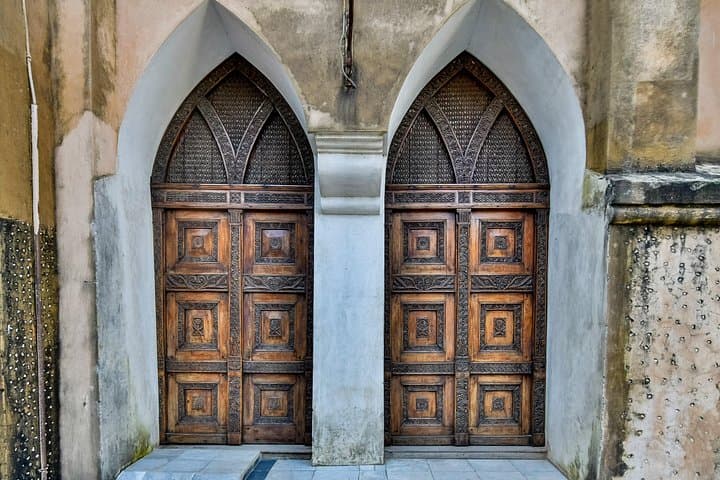
You step off a shaded veranda into a maze of stone alleys where carved wooden doors stare back like chapters from another century. Salt air threads the lanes; market calls and the clack of bicycle wheels push you forward as the guide traces names, dates and the hands that built this place.
Verified experiences and guided adventures in the surrounding area.
Operated by Slow Wind Tours · Zanzibar City, Zanzibar
You step off a shaded veranda into a maze of stone alleys where carved wooden doors stare back like chapters from another century. Salt air threads the lanes; market calls and the clack of bicycle wheels push you forward as the guide traces names, dates and the hands that built this place.
Stone Town is the dense historic core of Zanzibar City on Unguja Island — a port shaped by Omani households, Swahili merchants and the grim imprint of the 19th‑century slave trade. The town’s coral rag buildings, flat roofs and projecting wooden balconies reflect coral geology worked into city form; the old slave chambers and memorials are sober anchors to the past. You’ll pass the Sultan’s fort, a bustling local market and narrow storefronts where spices and textiles show the living side of the city.
The tour moves at walking pace across uneven flagstones and occasional stairways — expect close quarters, open markets and bright light. Cultural notes from your guide explain architecture, family life, and how trade routes shaped cuisine and language.
Practical guidance: plan 2–3 hours, bring a refillable water bottle, sun protection and comfortable slip-resistant shoes for cobbles. Modest dress is appreciated in neighborhoods and when visiting religious sites. Morning or late‑afternoon departures avoid peak heat and market crush.
This is a private, accessible walk suitable for most fitness levels, with pickup within Stone Town and admission to the former slave market site included. The tour is best for travelers who want history with local texture rather than a quick photo stop.
The private tour runs about 2–3 hours and includes pickup within Stone Town and admission to the former slave market site as listed.
Yes—it's rated easy and suitable for most fitness levels; however, families should expect uneven surfaces and keep children close in markets.
The former slave market site admission is included; gratuities for the guide are customary but discretionary.
Guides can modify routes to minimize steep steps and long standing periods, but some narrow alleys may be unavoidable.
Slow Wind Tours operates guided outdoor trips and adventures with an emphasis on safety, stewardship, and memorable experiences.


You step off a shaded veranda into a maze of stone alleys where carved wooden doors stare back like chapters from another century. Salt air threads the lanes; market calls and the clack of bicycle wheels push you forward as the guide traces names, dates and the hands that built this place.
You step off a shaded veranda into a maze of stone alleys where carved wooden doors stare back like chapters from another century. Salt air threads the lanes; market calls and the clack of bicycle wheels push you forward as the guide traces names, dates and the hands that built this place.
Stone Town is the dense historic core of Zanzibar City on Unguja Island — a port shaped by Omani households, Swahili merchants and the grim imprint of the 19th‑century slave trade. The town’s coral rag buildings, flat roofs and projecting wooden balconies reflect coral geology worked into city form; the old slave chambers and memorials are sober anchors to the past. You’ll pass the Sultan’s fort, a bustling local market and narrow storefronts where spices and textiles show the living side of the city.
The tour moves at walking pace across uneven flagstones and occasional stairways — expect close quarters, open markets and bright light. Cultural notes from your guide explain architecture, family life, and how trade routes shaped cuisine and language.
Practical guidance: plan 2–3 hours, bring a refillable water bottle, sun protection and comfortable slip-resistant shoes for cobbles. Modest dress is appreciated in neighborhoods and when visiting religious sites. Morning or late‑afternoon departures avoid peak heat and market crush.
This is a private, accessible walk suitable for most fitness levels, with pickup within Stone Town and admission to the former slave market site included. The tour is best for travelers who want history with local texture rather than a quick photo stop.