THE ADVENTURE COLLECTIVE® · Independent discovery and booking for outdoor travel

Walk Stone Town’s narrow lanes with a local storyteller who lays out Zanzibar’s layered past—from sultanate palaces to the old slave market—on an easy, budget-friendly 1–2 hour tour. Expect coral-stone streets, spice-market bustle, and practical tips for heat, photos, and small purchases.
Walk Stone Town’s narrow lanes with a local storyteller who lays out Zanzibar’s layered past—from sultanate palaces to the old slave market—on an easy, budget-friendly 1–2 hour tour. Expect coral-stone streets, spice-market bustle, and practical tips for heat, photos, and small purchases.
The sun slants off carved wooden doors as the guide gathers the small group outside the House of Wonders, voices lowering into the alleyways where the smell of spice and grilled fish threads the air.
Verified experiences and guided adventures in the surrounding area.
Operated by WAJINA TOUR · Stone Town, Zanzibar
The sun slants off carved wooden doors as the guide gathers the small group outside the House of Wonders, voices lowering into the alleyways where the smell of spice and grilled fish threads the air.
On this one- to two-hour walking loop through Stone Town, the streets do the talking: coral rag walls scored by trade winds, narrow lanes that funnel the Indian Ocean breeze, and doors whose brass studs mark past wealth. Guides point out the old Slave Market and the former chamber that became a church, buildings that trace Zanzibar’s arc from Omani sultanate to British protectorate and modern Tanzania.
Geology here is visible in rough coral stone and lime mortar, the island’s bedrock shaped by reef accretions and centuries of human hands. Cultural layers sit on top—Arab, Persian, Indian and European influences seen in architecture, language and food. Local life pulses in markets: Darajani’s produce stalls, alley cafés, and the Forodhani seawall where evening vendors grill prawns.
Practical guidance: this tour is mostly level, on packed alleys and some uneven flagstones—good walking shoes are advised. Midday heat is strong; carry water and a hat. Expect crowds near the main sights and bring small Tanzanian shillings for street snacks or souvenir stalls. Photography is welcome but ask permission before shooting people closely. The tour suits travelers wanting a short, economical immersion into Zanzibar’s history and culture—plan it as the first stop in a longer Unguja itinerary, and allow time afterward to wander markets or catch sunset over Stone Town’s waterfront.
The tour runs approximately 60–120 minutes depending on pacing and group size.
Many main streets and meeting points are level and accessible, but some narrow alleys and market areas can be tight—check in advance if you need a fully wheelchair-accessible route.
This walking tour focuses on exterior sites and local landmarks; specific museum admissions are not included and are paid separately if you choose to enter.
Guides typically speak English; other languages may be available on request—confirm when booking.
WAJINA TOUR operates guided outdoor trips and adventures with an emphasis on safety, stewardship, and memorable experiences.


The sun slants off carved wooden doors as the guide gathers the small group outside the House of Wonders, voices lowering into the alleyways where the smell of spice and grilled fish threads the air.
The sun slants off carved wooden doors as the guide gathers the small group outside the House of Wonders, voices lowering into the alleyways where the smell of spice and grilled fish threads the air.
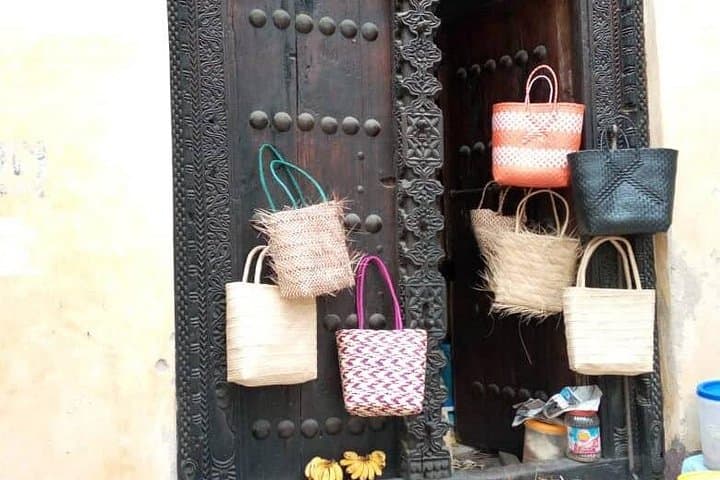
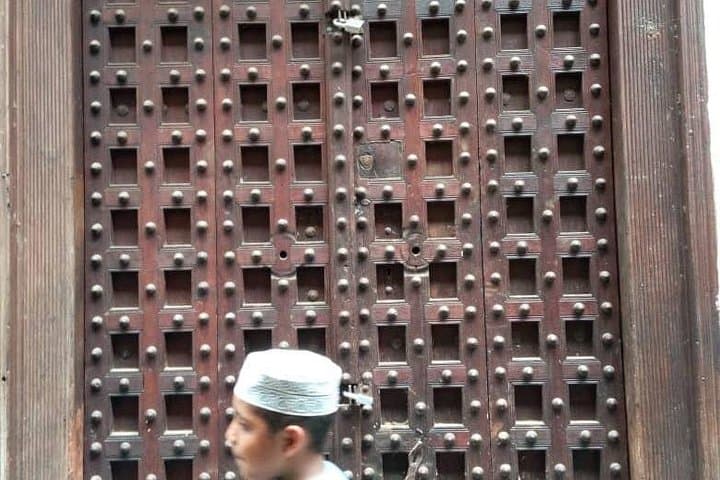
On this one- to two-hour walking loop through Stone Town, the streets do the talking: coral rag walls scored by trade winds, narrow lanes that funnel the Indian Ocean breeze, and doors whose brass studs mark past wealth. Guides point out the old Slave Market and the former chamber that became a church, buildings that trace Zanzibar’s arc from Omani sultanate to British protectorate and modern Tanzania.
Geology here is visible in rough coral stone and lime mortar, the island’s bedrock shaped by reef accretions and centuries of human hands. Cultural layers sit on top—Arab, Persian, Indian and European influences seen in architecture, language and food. Local life pulses in markets: Darajani’s produce stalls, alley cafés, and the Forodhani seawall where evening vendors grill prawns.
Practical guidance: this tour is mostly level, on packed alleys and some uneven flagstones—good walking shoes are advised. Midday heat is strong; carry water and a hat. Expect crowds near the main sights and bring small Tanzanian shillings for street snacks or souvenir stalls. Photography is welcome but ask permission before shooting people closely. The tour suits travelers wanting a short, economical immersion into Zanzibar’s history and culture—plan it as the first stop in a longer Unguja itinerary, and allow time afterward to wander markets or catch sunset over Stone Town’s waterfront.