THE ADVENTURE COLLECTIVE® · Independent discovery and booking for outdoor travel

Walk Stone Town with a local guide and move through centuries of trade, architecture and lived culture. This three-hour, private tour mixes landmark history with market stops and practical local insight for first-time visitors.
Walk Stone Town with a local guide and move through centuries of trade, architecture and lived culture. This three-hour, private tour mixes landmark history with market stops and practical local insight for first-time visitors.
Morning light slides across coral-stone facades as a local guide leads the group through narrow alleyways where the sea breeze still carries spices from inland plantations.
Verified experiences and guided adventures in the surrounding area.
Operated by Zan Archipelago Tours & Safaris · Zanzibar City, Zanzibar
Morning light slides across coral-stone facades as a local guide leads the group through narrow alleyways where the sea breeze still carries spices from inland plantations.
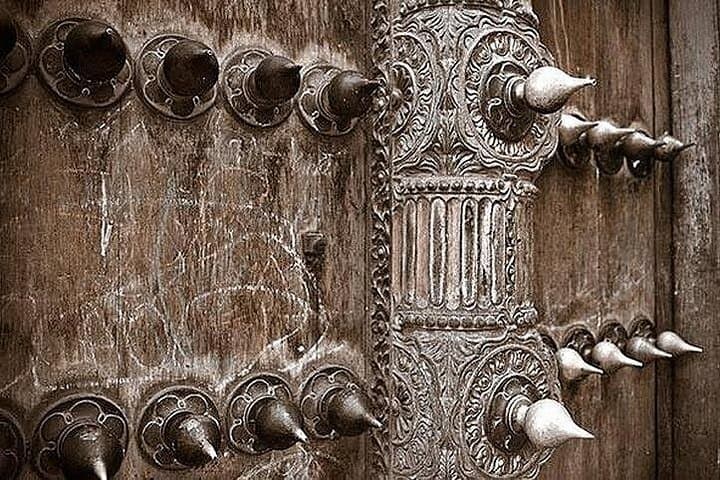
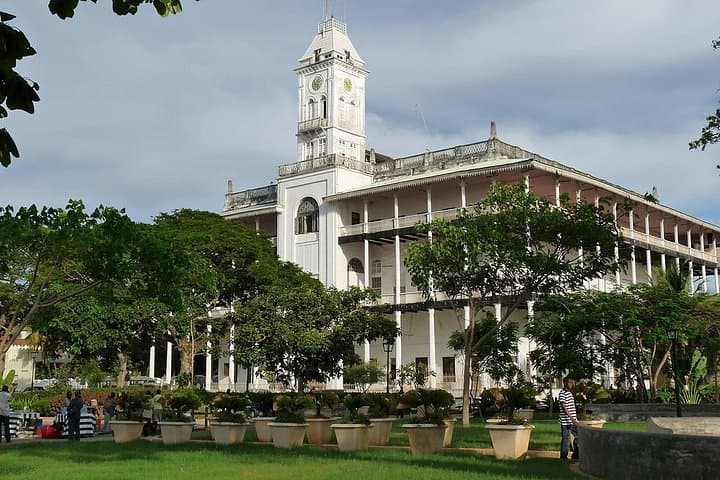
The three-hour walk threads key landmarks—the Old Fort’s battered ramparts, the House of Wonders’ ornate façade, and the solemn memorials at the former slave market—each stop explained with context about Omani rule, Indian Ocean trade and the Swahili culture that shaped Stone Town. Buildings reveal their geology: coral rag and mangrove timber that weather differently under coastal humidity, and carved wooden doors that mark merchant houses once linked to spice and dhow commerce.
Beyond architecture the tour touches daily life: open markets where cloves and cinnamon are sorted, fishermen repairing nets by the shore, and the mansions that signal the island’s sultanate past. Guides often point out Freddie Mercury’s birthplace and lesser-seen corners such as quiet rooftop views and narrow courtyards where community life still pulses.
Practical details are straightforward: expect mostly flat walking on cobblestones, frequent shade breaks and short stops for stories and photos. Bring sunscreen, a refillable water bottle, and modest clothing out of respect for local culture; mornings and late afternoons are cooler and best for photos and market activity. The meeting point is near the House of Wonders opposite Forodhani Park; the route is adaptable for private groups.
This walk is ideal for travelers who want history, cultural immersion and manageable urban exploration—an accessible way to read Zanzibar’s layered past while experiencing the living rhythms of Stone Town today.
The tour is a fixed three-hour walk that includes multiple short stops for commentary and photos.
Yes—it's rated easy, but notify the operator about mobility needs; private tours can adjust the pace and include more resting stops.
According to the itinerary, some admission fees (e.g., Old Fort, Anglican Cathedral exhibits) are included; confirm specifics when booking.
Photography is generally allowed at most exterior and market locations; some museums and indoor exhibits may restrict photography—follow the guide’s directions.
Zan Archipelago Tours & Safaris operates guided outdoor trips and adventures with an emphasis on safety, stewardship, and memorable experiences.


Morning light slides across coral-stone facades as a local guide leads the group through narrow alleyways where the sea breeze still carries spices from inland plantations.
Morning light slides across coral-stone facades as a local guide leads the group through narrow alleyways where the sea breeze still carries spices from inland plantations.
The three-hour walk threads key landmarks—the Old Fort’s battered ramparts, the House of Wonders’ ornate façade, and the solemn memorials at the former slave market—each stop explained with context about Omani rule, Indian Ocean trade and the Swahili culture that shaped Stone Town. Buildings reveal their geology: coral rag and mangrove timber that weather differently under coastal humidity, and carved wooden doors that mark merchant houses once linked to spice and dhow commerce.
Beyond architecture the tour touches daily life: open markets where cloves and cinnamon are sorted, fishermen repairing nets by the shore, and the mansions that signal the island’s sultanate past. Guides often point out Freddie Mercury’s birthplace and lesser-seen corners such as quiet rooftop views and narrow courtyards where community life still pulses.
Practical details are straightforward: expect mostly flat walking on cobblestones, frequent shade breaks and short stops for stories and photos. Bring sunscreen, a refillable water bottle, and modest clothing out of respect for local culture; mornings and late afternoons are cooler and best for photos and market activity. The meeting point is near the House of Wonders opposite Forodhani Park; the route is adaptable for private groups.
This walk is ideal for travelers who want history, cultural immersion and manageable urban exploration—an accessible way to read Zanzibar’s layered past while experiencing the living rhythms of Stone Town today.