THE ADVENTURE COLLECTIVE® · Independent discovery and booking for outdoor travel

Walk Stone Town with a licensed local guide and move from spice stalls to slave chambers as layered histories and carved doors unfold. This 2–3 hour guided tour gives cultural context, local color and practical tips for photographers and first-time visitors.
Walk Stone Town with a licensed local guide and move from spice stalls to slave chambers as layered histories and carved doors unfold. This 2–3 hour guided tour gives cultural context, local color and practical tips for photographers and first-time visitors.
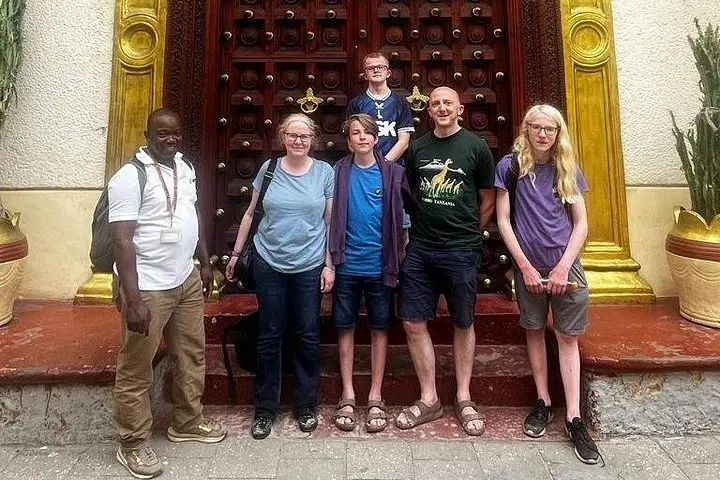
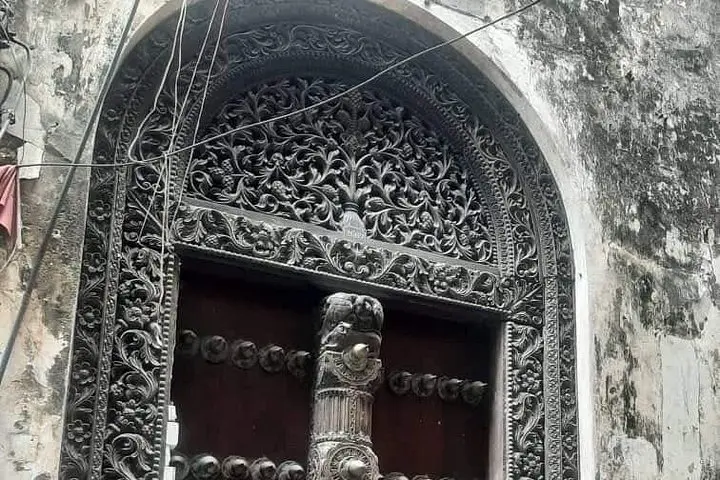
You step off the narrow lane and the air changes—salty from the harbor, warm from the day, threaded with clove and grilled fish. Stone Town's alleyways press close, revealing carved wooden doors, sun-faded plaster and rooftops where laundry flutters like pennants.
Verified experiences and guided adventures in the surrounding area.
Operated by Zanzibar Tour Guide Francophone/Anglophone · Stone Town, Zanzibar
You step off the narrow lane and the air changes—salty from the harbor, warm from the day, threaded with clove and grilled fish. Stone Town's alleyways press close, revealing carved wooden doors, sun-faded plaster and rooftops where laundry flutters like pennants.
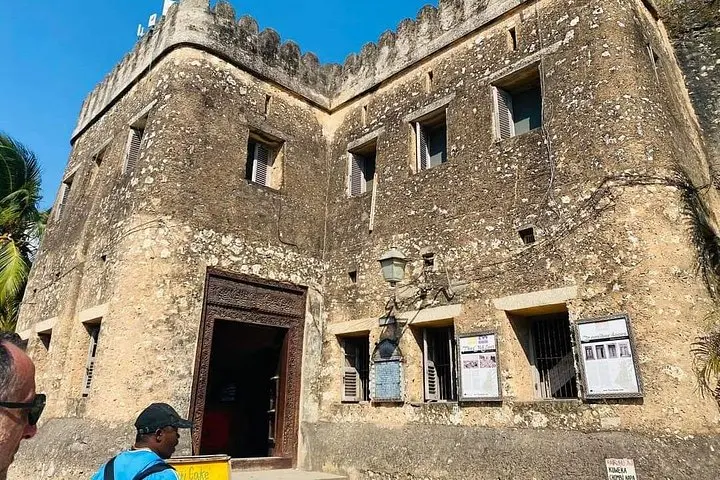
This guided walk traces centuries of trade and migration: Omani sultans and Persian merchants, Swahili traders and the dark chapter of the slave trade that once made this port a crossroads of people and fortunes. The town’s coral rag stone and lime architecture record practical responses to heat and humidity—thick walls, high ceilings and recessed windows—while the ornate doors reflect Indian and Arab craftsmen whose influence reshaped local style.
Culturally, Stone Town hums: morning markets sell fish and spices, rooftop cafes offer ocean views, and small museums chart Freddy Mercury’s early years here. A competent local guide ties together social history, religious life and everyday routines, pointing out buildings you’d miss alone and giving the short, pointed histories that make the streets intelligible.
Practical guidance: plan 2–3 hours for a thorough stroll; wear sturdy shoes for uneven stone and cobbles, bring sun protection and a refillable bottle. Morning or late afternoon beats midday heat and provides softer light for photos. Respect local customs—dress modestly around religious sites—and carry cash for small entrance fees, tips and market purchases.
This tour is low-impact but high-context: it puts Stone Town’s layered past and living present within easy reach, offering an efficient, insightful way to read the city’s streets and meet its people.
Yes—the tour notes wheelchair accessibility, but some historic alleys and buildings may still be uneven; check with the operator about specific accessibility needs.
Some sites are included while others may require separate local fees; confirm which admissions are covered when booking.
Photography is generally allowed in public areas and rooftops; always ask permission before photographing people and inside religious buildings.
Tipping is customary for good service—small amounts in local currency are appreciated and help support local guides.
Zanzibar Tour Guide Francophone/Anglophone operates guided outdoor trips and adventures with an emphasis on safety, stewardship, and memorable experiences.

You step off the narrow lane and the air changes—salty from the harbor, warm from the day, threaded with clove and grilled fish. Stone Town's alleyways press close, revealing carved wooden doors, sun-faded plaster and rooftops where laundry flutters like pennants.
You step off the narrow lane and the air changes—salty from the harbor, warm from the day, threaded with clove and grilled fish. Stone Town's alleyways press close, revealing carved wooden doors, sun-faded plaster and rooftops where laundry flutters like pennants.
This guided walk traces centuries of trade and migration: Omani sultans and Persian merchants, Swahili traders and the dark chapter of the slave trade that once made this port a crossroads of people and fortunes. The town’s coral rag stone and lime architecture record practical responses to heat and humidity—thick walls, high ceilings and recessed windows—while the ornate doors reflect Indian and Arab craftsmen whose influence reshaped local style.
Culturally, Stone Town hums: morning markets sell fish and spices, rooftop cafes offer ocean views, and small museums chart Freddy Mercury’s early years here. A competent local guide ties together social history, religious life and everyday routines, pointing out buildings you’d miss alone and giving the short, pointed histories that make the streets intelligible.
Practical guidance: plan 2–3 hours for a thorough stroll; wear sturdy shoes for uneven stone and cobbles, bring sun protection and a refillable bottle. Morning or late afternoon beats midday heat and provides softer light for photos. Respect local customs—dress modestly around religious sites—and carry cash for small entrance fees, tips and market purchases.
This tour is low-impact but high-context: it puts Stone Town’s layered past and living present within easy reach, offering an efficient, insightful way to read the city’s streets and meet its people.