THE ADVENTURE COLLECTIVE® · Independent discovery and booking for outdoor travel

Explore Stone Town’s narrow alleys, coral-stone facades and bustling markets on a 2–3 hour guided walk that ends with a traditional Zanzibari lunch. Ideal for history lovers who want close access to UNESCO-listed streets and local flavor.
Explore Stone Town’s narrow alleys, coral-stone facades and bustling markets on a 2–3 hour guided walk that ends with a traditional Zanzibari lunch. Ideal for history lovers who want close access to UNESCO-listed streets and local flavor.
You meet at the Old Fort as morning light slides down coral-stone walls and the ocean breathes at the edge of the alleys. The guide leads you into lanes that narrow to a single shoulder-width, where the air carries spice smoke and the steady clack of shutters. Mnemonics of commerce — carved wooden doors, brass studs, collapsed plaster — mark stories as you move.
Verified experiences and guided adventures in the surrounding area.
Operated by Zanzibar Local Experience · Stone Town, Zanzibar (Unguja)
You meet at the Old Fort as morning light slides down coral-stone walls and the ocean breathes at the edge of the alleys. The guide leads you into lanes that narrow to a single shoulder-width, where the air carries spice smoke and the steady clack of shutters. Mnemonics of commerce — carved wooden doors, brass studs, collapsed plaster — mark stories as you move.
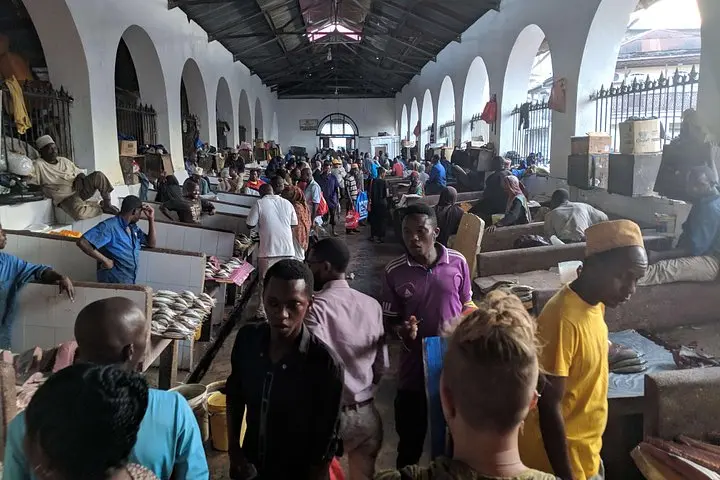
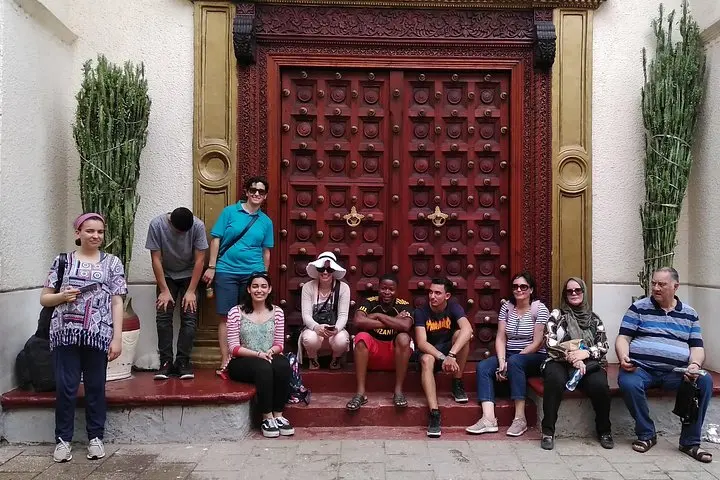
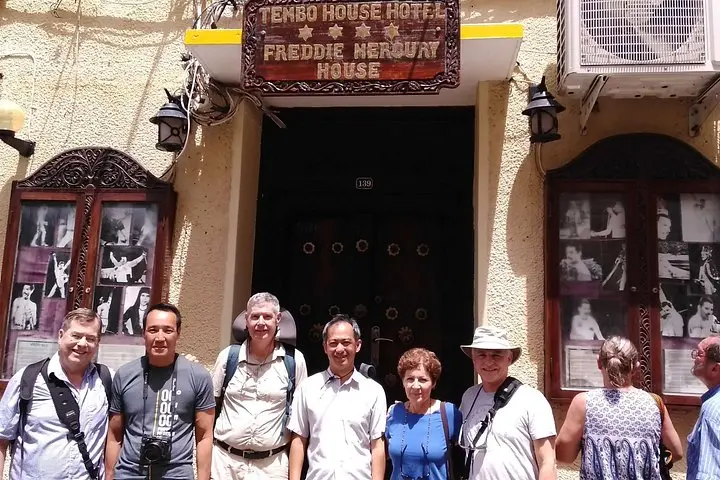
Stone Town grew from Swahili trade networks and 19th-century Afro-Arab linkages; its skyline reflects coral rag construction, carved Omani doors, and colonial additions that earned UNESCO status in 2000. You pass the old slave market site and the Anglican memorial, then into the City Market where fish and tropical fruit vie for attention. The Palace Museum and the House of Wonders (Bait al-Ajab) show layers of royal life and colonial ambition. Local notes: Freddie Mercury’s childhood home and the Old Fort speak to cultural threads that run from Zanzibar’s seafaring past to its contemporary arts scene.
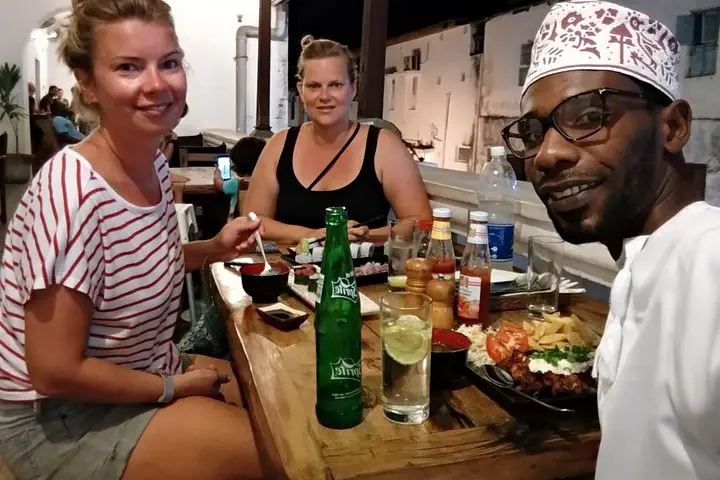
Expect uneven flagstones, intermittent crowds, and tight spaces — the town’s vibrancy is tactile. The tour includes a sit-down traditional lunch at a local restaurant and covers most admission fees. Practical points: wear sturdy shoes, carry sun protection and a reusable bottle, and dress respectfully in light layers. Morning or late-afternoon departures dodge midday heat and reveal the best light for rooftop views over Forodhani Gardens.
This is a low-impact cultural walk: travel light, support local vendors, and respect photographic requests. The experience suits travelers who want close-up history, market energy, and a taste of Zanzibari cuisine without long hikes or technical demands.
Yes — the itinerary lists admission to key sites and a traditional lunch at a local restaurant as included in the tour price.
The operator lists wheelchair accessibility, but some lanes and buildings have uneven paving and steps; contact the provider in advance to confirm arrangements.
Expect 2–3 hours of walking with frequent stops; most sections are short distances but on uneven surfaces and narrow alleys.
Carry Tanzanian shillings for small purchases and markets; many restaurants accept card but cash is preferred for street vendors and tips.
Zanzibar Local Experience operates guided outdoor trips and adventures with an emphasis on safety, stewardship, and memorable experiences.
You meet at the Old Fort as morning light slides down coral-stone walls and the ocean breathes at the edge of the alleys. The guide leads you into lanes that narrow to a single shoulder-width, where the air carries spice smoke and the steady clack of shutters. Mnemonics of commerce — carved wooden doors, brass studs, collapsed plaster — mark stories as you move.
You meet at the Old Fort as morning light slides down coral-stone walls and the ocean breathes at the edge of the alleys. The guide leads you into lanes that narrow to a single shoulder-width, where the air carries spice smoke and the steady clack of shutters. Mnemonics of commerce — carved wooden doors, brass studs, collapsed plaster — mark stories as you move.
Stone Town grew from Swahili trade networks and 19th-century Afro-Arab linkages; its skyline reflects coral rag construction, carved Omani doors, and colonial additions that earned UNESCO status in 2000. You pass the old slave market site and the Anglican memorial, then into the City Market where fish and tropical fruit vie for attention. The Palace Museum and the House of Wonders (Bait al-Ajab) show layers of royal life and colonial ambition. Local notes: Freddie Mercury’s childhood home and the Old Fort speak to cultural threads that run from Zanzibar’s seafaring past to its contemporary arts scene.
Expect uneven flagstones, intermittent crowds, and tight spaces — the town’s vibrancy is tactile. The tour includes a sit-down traditional lunch at a local restaurant and covers most admission fees. Practical points: wear sturdy shoes, carry sun protection and a reusable bottle, and dress respectfully in light layers. Morning or late-afternoon departures dodge midday heat and reveal the best light for rooftop views over Forodhani Gardens.
This is a low-impact cultural walk: travel light, support local vendors, and respect photographic requests. The experience suits travelers who want close-up history, market energy, and a taste of Zanzibari cuisine without long hikes or technical demands.