THE ADVENTURE COLLECTIVE® · Independent discovery and booking for outdoor travel

Walk Stone Town’s labyrinthine alleys on a focused half-day tour through markets, mosques and Omani-era palaces, ending beneath the street-food lights of Forodhani Gardens. This guide explains what you’ll see, the history behind the facades and how to prepare for narrow streets, heat and bold flavors.
Walk Stone Town’s labyrinthine alleys on a focused half-day tour through markets, mosques and Omani-era palaces, ending beneath the street-food lights of Forodhani Gardens. This guide explains what you’ll see, the history behind the facades and how to prepare for narrow streets, heat and bold flavors.
A rickshaw hums past as you step into Stone Town’s tangle of alleys; the sea breeze pushes the scent of grilled fish and cloves through a gate carved with Arabic calligraphy. Minarets rise over flat-roofed houses and heavy wooden doors with brass studs keep watch as you move from market noise to quiet courtyards.
Verified experiences and guided adventures in the surrounding area.
Operated by Tanzania Serengeti Safaris · Stone Town, Zanzibar
A rickshaw hums past as you step into Stone Town’s tangle of alleys; the sea breeze pushes the scent of grilled fish and cloves through a gate carved with Arabic calligraphy. Minarets rise over flat-roofed houses and heavy wooden doors with brass studs keep watch as you move from market noise to quiet courtyards.
Stone Town sits on coral limestone and mangrove timber foundations, a compact urban island shaped by centuries of trade. The island’s architecture and streets reflect the Omani sultanate’s imprint, Indian merchant houses, African rhythms and later European colonial touches. On this half-day route you’ll visit the Old Slave Market site, the Darajani marketplace, the House of Wonders and the Old Fort, each stop tracing commerce, faith and power across the Indian Ocean.
Culturally, the town is equal parts mosque calls, Swahili greetings and spice-seller bartering; Forodhani Gardens comes alive at dusk with one of East Africa’s best street-food markets where squid, sugarcane juice and urojo (Zanzibar mix) wait.
Practical guidance: the tour is roughly four hours on narrow, uneven stone streets—flat, closed-toe shoes and a hat are essential. Bring cash (small notes) for market buys and street food; many historic sites are modestly staffed and require respectful dress at religious buildings. Mornings are cooler and clearer for photography; late-afternoon visits reward you with market light and edible discoveries. Guides do the navigating—listen for local context and give yourself time to pause in a courtyard café to absorb the layered history before you return to the shoreline.
The advertised duration is about four hours—typically a half-day with multiple stops in Stone Town’s historic center.
Yes; the tour is described as physically easy, but participants should be able to walk on uneven surfaces for several hours and may want to limit full-day exposure to heat.
Bring small Tanzanian shilling notes for market purchases, street food and tips—some vendor stalls don’t accept cards.
This tour notes inclusions like bottled water and private transport; museum or palace admissions and optional lunch may require additional payment or prior arrangement.
Tanzania Serengeti Safaris operates guided outdoor trips and adventures with an emphasis on safety, stewardship, and memorable experiences.
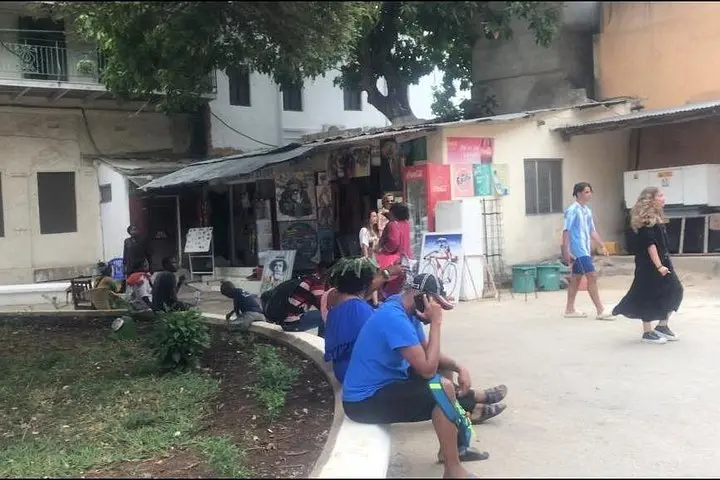

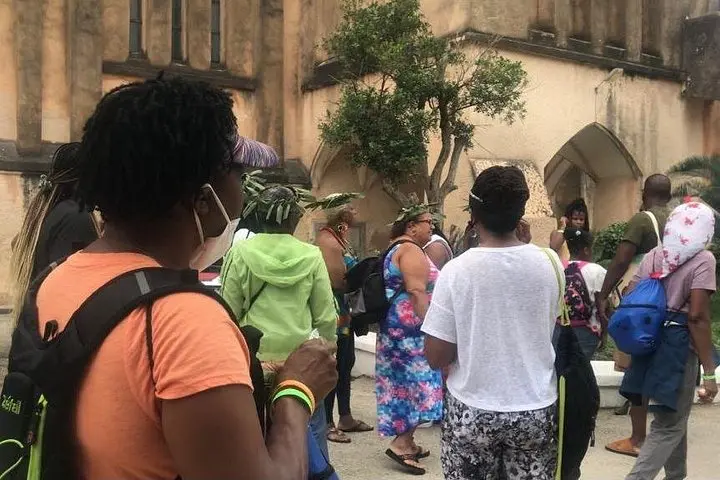
A rickshaw hums past as you step into Stone Town’s tangle of alleys; the sea breeze pushes the scent of grilled fish and cloves through a gate carved with Arabic calligraphy. Minarets rise over flat-roofed houses and heavy wooden doors with brass studs keep watch as you move from market noise to quiet courtyards.
A rickshaw hums past as you step into Stone Town’s tangle of alleys; the sea breeze pushes the scent of grilled fish and cloves through a gate carved with Arabic calligraphy. Minarets rise over flat-roofed houses and heavy wooden doors with brass studs keep watch as you move from market noise to quiet courtyards.
Stone Town sits on coral limestone and mangrove timber foundations, a compact urban island shaped by centuries of trade. The island’s architecture and streets reflect the Omani sultanate’s imprint, Indian merchant houses, African rhythms and later European colonial touches. On this half-day route you’ll visit the Old Slave Market site, the Darajani marketplace, the House of Wonders and the Old Fort, each stop tracing commerce, faith and power across the Indian Ocean.
Culturally, the town is equal parts mosque calls, Swahili greetings and spice-seller bartering; Forodhani Gardens comes alive at dusk with one of East Africa’s best street-food markets where squid, sugarcane juice and urojo (Zanzibar mix) wait.
Practical guidance: the tour is roughly four hours on narrow, uneven stone streets—flat, closed-toe shoes and a hat are essential. Bring cash (small notes) for market buys and street food; many historic sites are modestly staffed and require respectful dress at religious buildings. Mornings are cooler and clearer for photography; late-afternoon visits reward you with market light and edible discoveries. Guides do the navigating—listen for local context and give yourself time to pause in a courtyard café to absorb the layered history before you return to the shoreline.