THE ADVENTURE COLLECTIVE® · Independent discovery and booking for outdoor travel

A full-day private luxury tour from London that pairs Stonehenge’s enigmatic stones with Bath’s Roman baths and Salisbury Cathedral’s medieval grandeur. Travel in an executive vehicle with flexible stops and expert context for three of southern England’s most visitable heritage sites.
A full-day private luxury tour from London that pairs Stonehenge’s enigmatic stones with Bath’s Roman baths and Salisbury Cathedral’s medieval grandeur. Travel in an executive vehicle with flexible stops and expert context for three of southern England’s most visitable heritage sites.
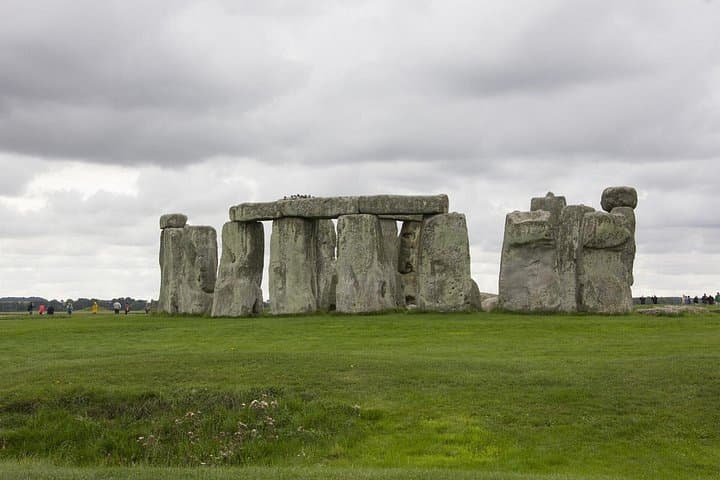
You leave London behind as the M3 unfurls into chalk hills and open farmland, the city noise shrinking to a hum. By mid-morning the lane of traffic gives way to the low horizon of Salisbury Plain, where Stonehenge’s weathered sarsens stand like an argument between time and gravity — stones that hold council long after the voices that raised them have gone.
Verified experiences and guided adventures in the surrounding area.
Operated by My Transfers UK · Amesbury, Wiltshire
You leave London behind as the M3 unfurls into chalk hills and open farmland, the city noise shrinking to a hum. By mid-morning the lane of traffic gives way to the low horizon of Salisbury Plain, where Stonehenge’s weathered sarsens stand like an argument between time and gravity — stones that hold council long after the voices that raised them have gone.
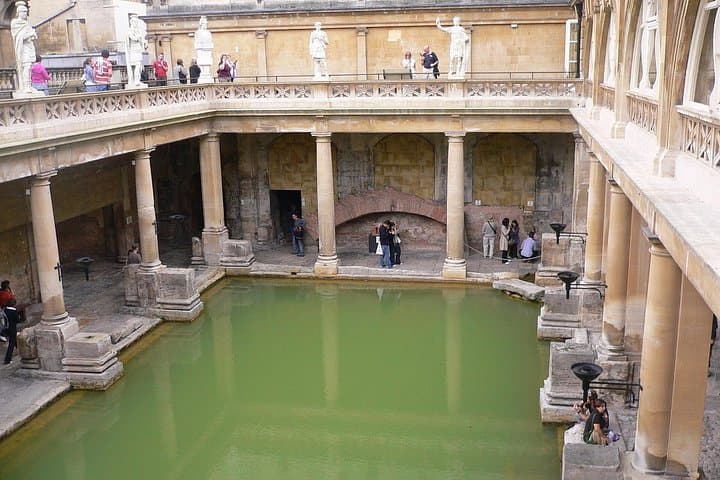
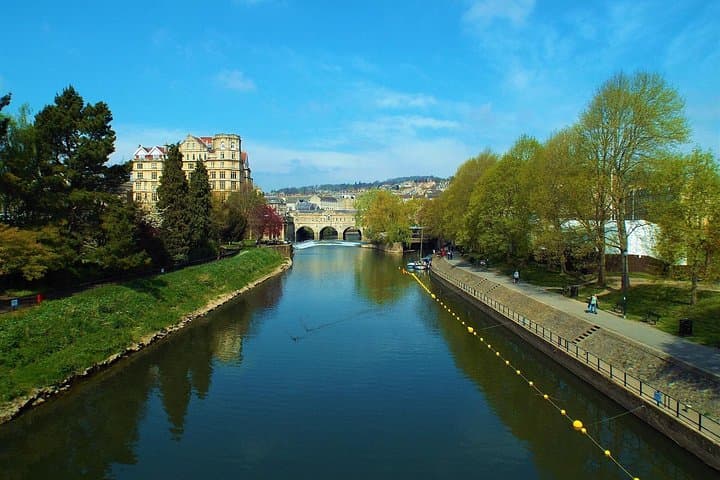
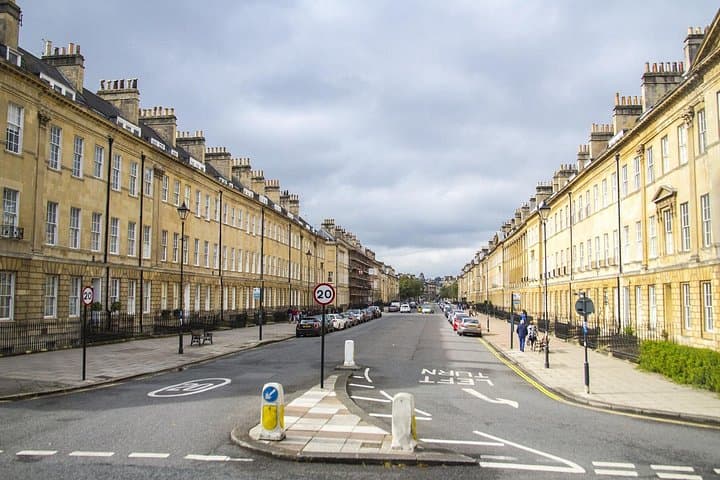
The route threads three layers of English history: Neolithic engineering at Stonehenge, the Roman thermal culture of Bath with its mineral-rich water and Georgian crescents, and Salisbury’s soaring 13th‑century spire guarding a copy of the 1215 Magna Carta. Geology matters here — the sarsen and bluestone choices reflect regional glacial and riverine transport, while Bath’s thermal springs owe their existence to deep faults that let heated aquifer water surface.
Culturally, expect interpretive exhibits, hands-on reconstructions at Stonehenge’s visitor centre, and a concentrated cathedral experience in Salisbury. The tour’s private vehicle gives flexibility: more time in the baths or a longer stroll on cathedral lawns.
Practicalities are straightforward. It’s a long day—plan for 10–12 hours, comfortable walking shoes, and a weatherproof layer. Photography is fine but respect signage and roped areas at archaeological sites. Bring water; the vehicle provides bottled water but you’ll want a refillable bottle for walking. If you need inner‑circle access at Stonehenge, request it when you book; otherwise visitors typically view the circle from the perimeter. Arrive rested, expect a mix of paved town centres and uneven outdoor paths, and reserve time for lunch in Bath or a cream tea by the cathedral to close the day.
Not typically — this private tour includes transportation and water; admissions are usually paid separately unless specified when booking; check your confirmation.
Inner-circle access is limited and generally available only during special access times; most visitors circulate around the stones from the designated pathway.
Yes — the itinerary notes stroller accessibility and the tour is family-friendly, though you’ll encounter steps in some historical buildings and uneven ground outdoors.
Pickups are arranged from central London hotels or designated meeting points; provide your pickup details at booking to confirm exact times and locations.
My Transfers UK operates guided outdoor trips and adventures with an emphasis on safety, stewardship, and memorable experiences.
You leave London behind as the M3 unfurls into chalk hills and open farmland, the city noise shrinking to a hum. By mid-morning the lane of traffic gives way to the low horizon of Salisbury Plain, where Stonehenge’s weathered sarsens stand like an argument between time and gravity — stones that hold council long after the voices that raised them have gone.
You leave London behind as the M3 unfurls into chalk hills and open farmland, the city noise shrinking to a hum. By mid-morning the lane of traffic gives way to the low horizon of Salisbury Plain, where Stonehenge’s weathered sarsens stand like an argument between time and gravity — stones that hold council long after the voices that raised them have gone.
The route threads three layers of English history: Neolithic engineering at Stonehenge, the Roman thermal culture of Bath with its mineral-rich water and Georgian crescents, and Salisbury’s soaring 13th‑century spire guarding a copy of the 1215 Magna Carta. Geology matters here — the sarsen and bluestone choices reflect regional glacial and riverine transport, while Bath’s thermal springs owe their existence to deep faults that let heated aquifer water surface.
Culturally, expect interpretive exhibits, hands-on reconstructions at Stonehenge’s visitor centre, and a concentrated cathedral experience in Salisbury. The tour’s private vehicle gives flexibility: more time in the baths or a longer stroll on cathedral lawns.
Practicalities are straightforward. It’s a long day—plan for 10–12 hours, comfortable walking shoes, and a weatherproof layer. Photography is fine but respect signage and roped areas at archaeological sites. Bring water; the vehicle provides bottled water but you’ll want a refillable bottle for walking. If you need inner‑circle access at Stonehenge, request it when you book; otherwise visitors typically view the circle from the perimeter. Arrive rested, expect a mix of paved town centres and uneven outdoor paths, and reserve time for lunch in Bath or a cream tea by the cathedral to close the day.