THE ADVENTURE COLLECTIVE® · Independent discovery and booking for outdoor travel

Cross the Strait of Gibraltar for a full-day immersion in Tangier: ferry views, Kasbah alleys, the Hercules Cave, and a slow camel walk on Achakkar Beach. This guided luxury day trip packs geology, history and market life into an accessible single-day itinerary.
Cross the Strait of Gibraltar for a full-day immersion in Tangier: ferry views, Kasbah alleys, the Hercules Cave, and a slow camel walk on Achakkar Beach. This guided luxury day trip packs geology, history and market life into an accessible single-day itinerary.
You step onto the ferry with wind on your face and Spain shrinking behind you—a swift hour across the Strait of Gibraltar where the Mediterranean leans into the Atlantic and the sea seems to pull you toward Africa.
Verified experiences and guided adventures in the surrounding area.
Operated by Tetetour · Tangier, Tanger-Tétouan-Al Hoceima
You step onto the ferry with wind on your face and Spain shrinking behind you—a swift hour across the Strait of Gibraltar where the Mediterranean leans into the Atlantic and the sea seems to pull you toward Africa.
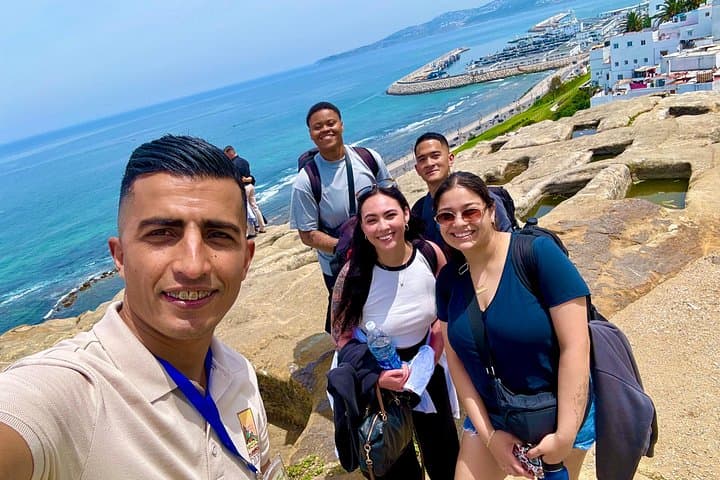
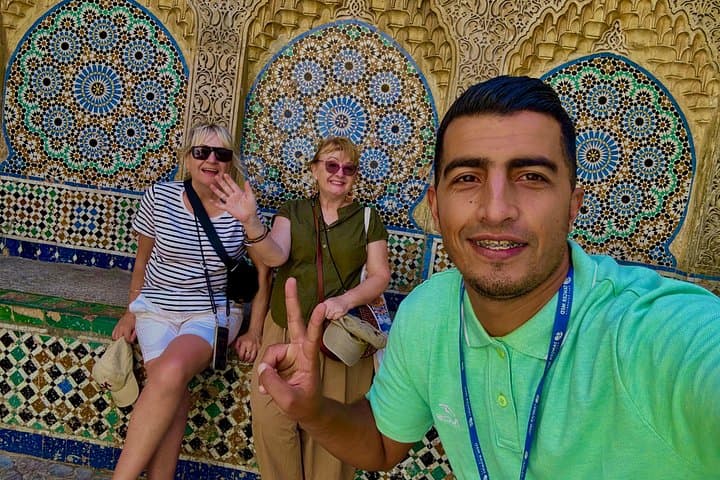
Arriving in Tangier feels immediate: whitewashed walls, narrow lanes, and the low, insistent call of commerce. The day tour stitches together geology, history and local life — from the wind-sculpted headlands near Cape Spartel and the cave window where you can glimpse Spain, to the layered neighborhoods of the Kasbah and the new town where 19th-century artillery still sits on parade.
Tangier’s position at the tip of Africa made it a crossroads for Phoenicians, Romans, Portuguese and an international zone in the 20th century; that history is visible in colonial facades and a patchwork medina. The Rif foothills press in from the south, and limestone formations shape the coastline and the hollowed Hercules Cave.
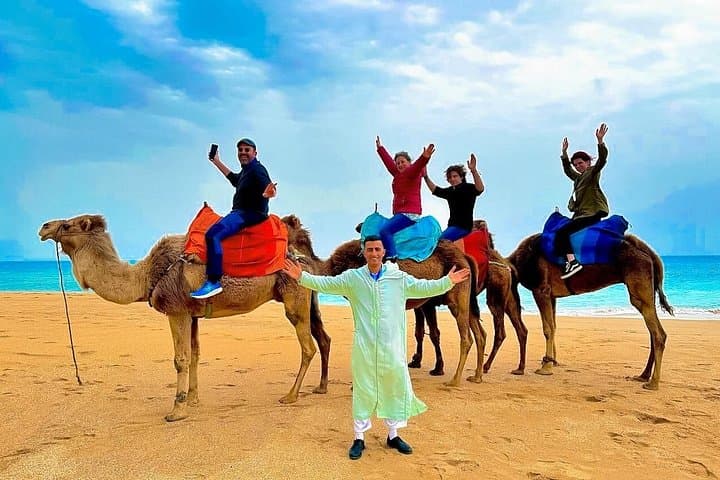
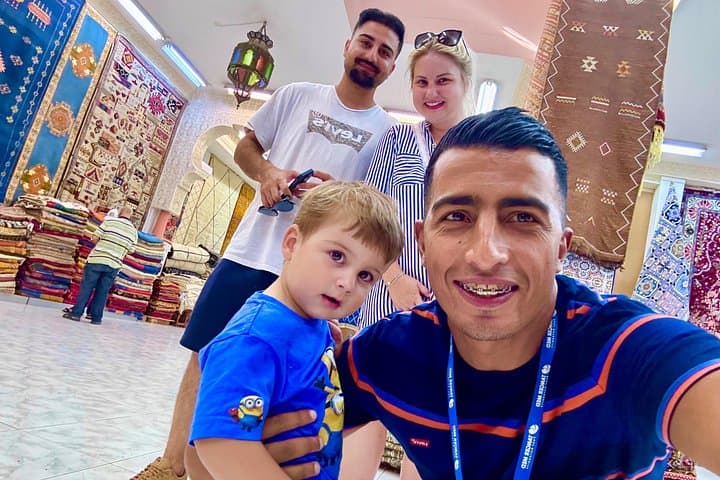
Practicalities are straightforward but essential: carry a valid passport (control at the port), wear comfortable walking shoes for cobbled streets, and bring sun protection—the wind can be deceptively drying. Lunch in the old medina offers tagines and mint tea; expect lively souks and bargaining. The camel ride on Achakkar Beach is unhurried—an orientation to the coast and a sunset opportunity if timing allows.
Timing matters: the itinerary is full but paced, returning to Tarifa the same evening. Hydrate for an active day of walking and customs processing, and leave a little room in your schedule for spontaneous market finds and terraces that frame the strait.
Many nationalities can enter Morocco visa-free for short stays, but passport validity and specific visa rules depend on your nationality—check Moroccan entry requirements before travel.
The fast ferry takes about one hour each way; both ports have passport control so allow extra time for boarding and security.
The listing notes wheelchair-accessible transport, but Tangier’s medina has cobbled streets and stairs—access may be limited in historic areas; check specific accessibility needs with the operator in advance.
Tipping is customary in Morocco; plan modest tips for the guide, driver and local handlers—small local currency notes are easiest to use.
Tetetour operates guided outdoor trips and adventures with an emphasis on safety, stewardship, and memorable experiences.
You step onto the ferry with wind on your face and Spain shrinking behind you—a swift hour across the Strait of Gibraltar where the Mediterranean leans into the Atlantic and the sea seems to pull you toward Africa.
You step onto the ferry with wind on your face and Spain shrinking behind you—a swift hour across the Strait of Gibraltar where the Mediterranean leans into the Atlantic and the sea seems to pull you toward Africa.
Arriving in Tangier feels immediate: whitewashed walls, narrow lanes, and the low, insistent call of commerce. The day tour stitches together geology, history and local life — from the wind-sculpted headlands near Cape Spartel and the cave window where you can glimpse Spain, to the layered neighborhoods of the Kasbah and the new town where 19th-century artillery still sits on parade.
Tangier’s position at the tip of Africa made it a crossroads for Phoenicians, Romans, Portuguese and an international zone in the 20th century; that history is visible in colonial facades and a patchwork medina. The Rif foothills press in from the south, and limestone formations shape the coastline and the hollowed Hercules Cave.
Practicalities are straightforward but essential: carry a valid passport (control at the port), wear comfortable walking shoes for cobbled streets, and bring sun protection—the wind can be deceptively drying. Lunch in the old medina offers tagines and mint tea; expect lively souks and bargaining. The camel ride on Achakkar Beach is unhurried—an orientation to the coast and a sunset opportunity if timing allows.
Timing matters: the itinerary is full but paced, returning to Tarifa the same evening. Hydrate for an active day of walking and customs processing, and leave a little room in your schedule for spontaneous market finds and terraces that frame the strait.