THE ADVENTURE COLLECTIVE® · Independent discovery and booking for outdoor travel

A short, accessible tour from Punta Arenas to Fort Bulnes traces Chile’s early settlement on the Strait of Magellan. Expect coastal walks, a small museum, sweeping sea views, and brisk Patagonian winds on this compact half-day excursion.
A short, accessible tour from Punta Arenas to Fort Bulnes traces Chile’s early settlement on the Strait of Magellan. Expect coastal walks, a small museum, sweeping sea views, and brisk Patagonian winds on this compact half-day excursion.
The wind shapes the coastline here, tugging at your jacket as the bus pulls into Parque del Estrecho. Sea-salted air fills the space between low, grasseswept ridges and the grey ribbon of the Strait of Magellan; gulls wheel above old stone earthworks while the fort crouches on the promontory like an outline of Chile’s earliest settlement efforts.
Verified experiences and guided adventures in the surrounding area.
Operated by Turismo Viento del Sur · Punta Arenas, Magallanes y la Antártica Chilena
The wind shapes the coastline here, tugging at your jacket as the bus pulls into Parque del Estrecho. Sea-salted air fills the space between low, grasseswept ridges and the grey ribbon of the Strait of Magellan; gulls wheel above old stone earthworks while the fort crouches on the promontory like an outline of Chile’s earliest settlement efforts.
Founded in the mid-19th century as a Chilean assertion over the Strait, Fort Bulnes sits on windswept volcanic soils and glacially carved headlands that tell a geologic story of ice, sea and shifting currents. The small on-site museum catalogs the fort’s role in regional sovereignty, early settler life, and maritime navigation; nearby markers note the geographic divisions that shaped Patagonia’s modern borders.
This is a practical half-day excursion: expect roughly 3 hours on-site during a 5-hour roundtrip from Punta Arenas (the park is about 52 km by road). Trails are short—most visitors cover 2–4 km of mixed packed-earth, gravel and low-vegetation shorelines with minimal elevation gain (under 100 m). The environment is exposed; weather changes quickly and the strait often pushes strong winds across the grasslands.
Plan for layered clothing, sturdy waterproof footwear, and a windproof shell. Bring water and sun protection—UV is strong even on cool days—and allow time for the museum visit plus short interpretive walks to viewpoints. Photographers should arrive when light is low for the best contrast on the fort’s stonework. With a guide or on your own, Fort Bulnes is a compact, accessible slice of Magellan history framed by relentless southern weather and wide, watchful sea.
The road distance is about 52 km and the transfer typically takes around 1–1.25 hours each way depending on stops and road conditions.
On many tours you pay park entrance on arrival; check your booking—this itinerary notes that admission is not included and is paid at the park.
Trails are generally short and mostly flat, but some sections are uneven; the tour notes stroller accessibility but infants may need to be carried on rough patches.
You can commonly see coastal birds like cormorants and gulls, and occasionally marine mammals such as South American sea lions; penguins are possible in nearby colonies depending on season and location.
Turismo Viento del Sur operates guided outdoor trips and adventures with an emphasis on safety, stewardship, and memorable experiences.
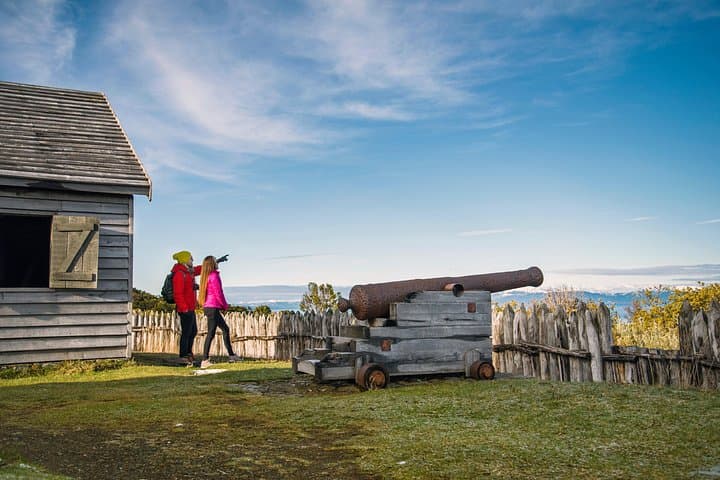
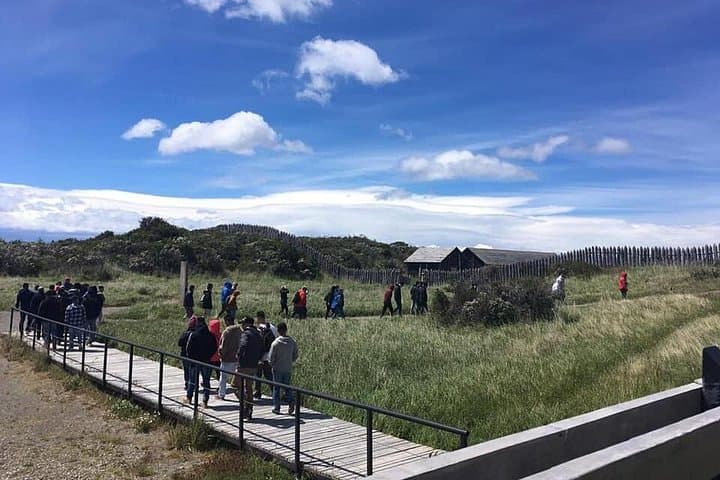
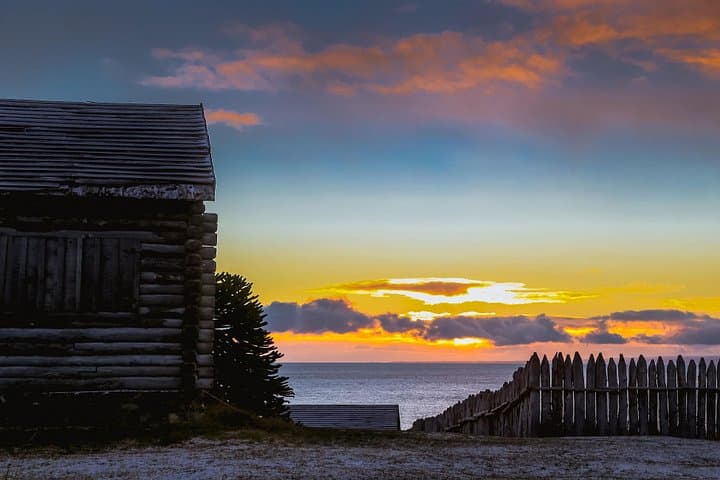
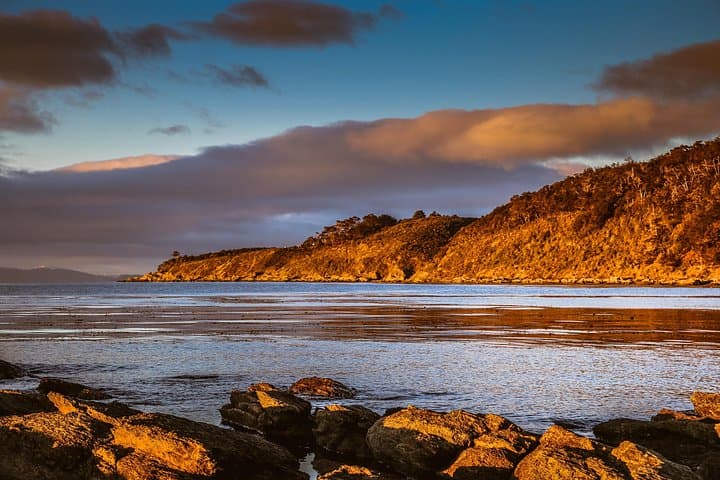
The wind shapes the coastline here, tugging at your jacket as the bus pulls into Parque del Estrecho. Sea-salted air fills the space between low, grasseswept ridges and the grey ribbon of the Strait of Magellan; gulls wheel above old stone earthworks while the fort crouches on the promontory like an outline of Chile’s earliest settlement efforts.
The wind shapes the coastline here, tugging at your jacket as the bus pulls into Parque del Estrecho. Sea-salted air fills the space between low, grasseswept ridges and the grey ribbon of the Strait of Magellan; gulls wheel above old stone earthworks while the fort crouches on the promontory like an outline of Chile’s earliest settlement efforts.
Founded in the mid-19th century as a Chilean assertion over the Strait, Fort Bulnes sits on windswept volcanic soils and glacially carved headlands that tell a geologic story of ice, sea and shifting currents. The small on-site museum catalogs the fort’s role in regional sovereignty, early settler life, and maritime navigation; nearby markers note the geographic divisions that shaped Patagonia’s modern borders.
This is a practical half-day excursion: expect roughly 3 hours on-site during a 5-hour roundtrip from Punta Arenas (the park is about 52 km by road). Trails are short—most visitors cover 2–4 km of mixed packed-earth, gravel and low-vegetation shorelines with minimal elevation gain (under 100 m). The environment is exposed; weather changes quickly and the strait often pushes strong winds across the grasslands.
Plan for layered clothing, sturdy waterproof footwear, and a windproof shell. Bring water and sun protection—UV is strong even on cool days—and allow time for the museum visit plus short interpretive walks to viewpoints. Photographers should arrive when light is low for the best contrast on the fort’s stonework. With a guide or on your own, Fort Bulnes is a compact, accessible slice of Magellan history framed by relentless southern weather and wide, watchful sea.