THE ADVENTURE COLLECTIVE® · Independent discovery and booking for outdoor travel

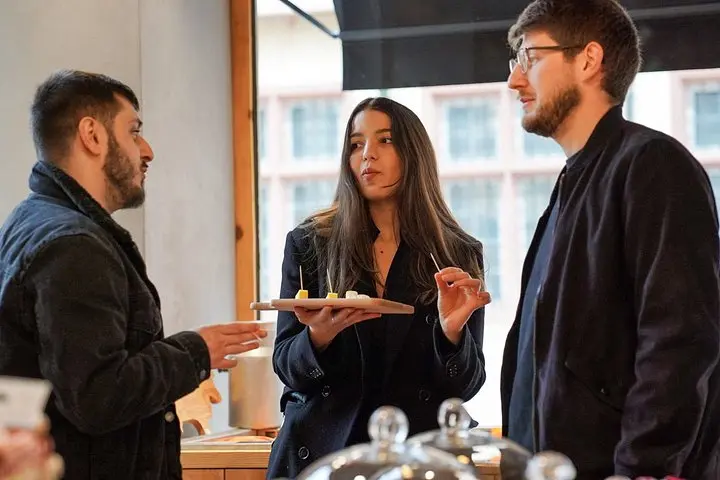
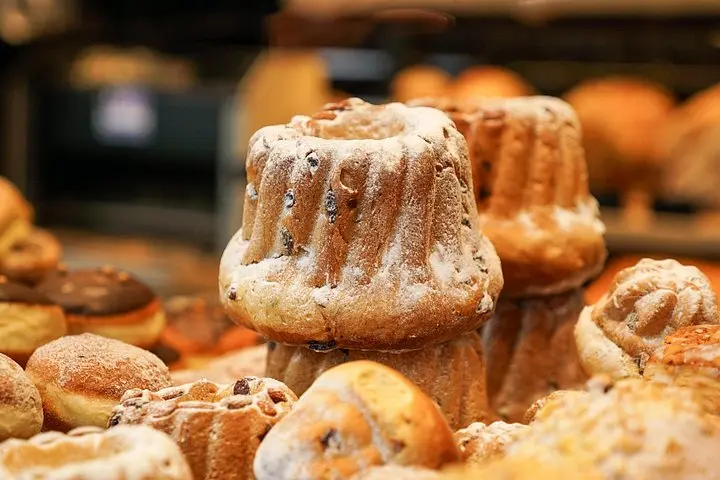
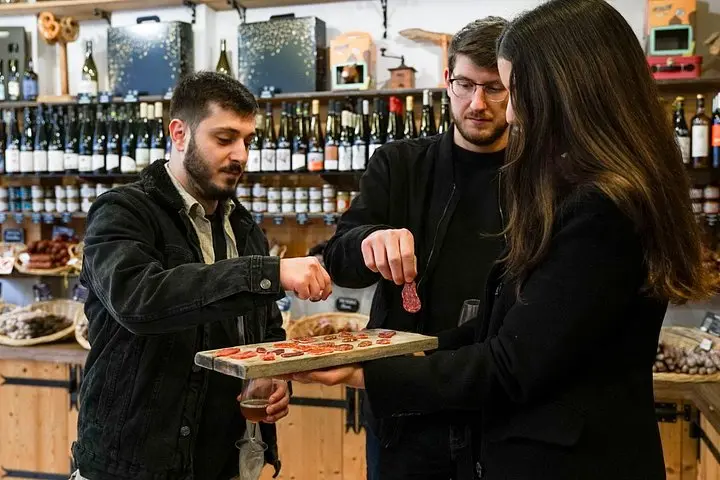
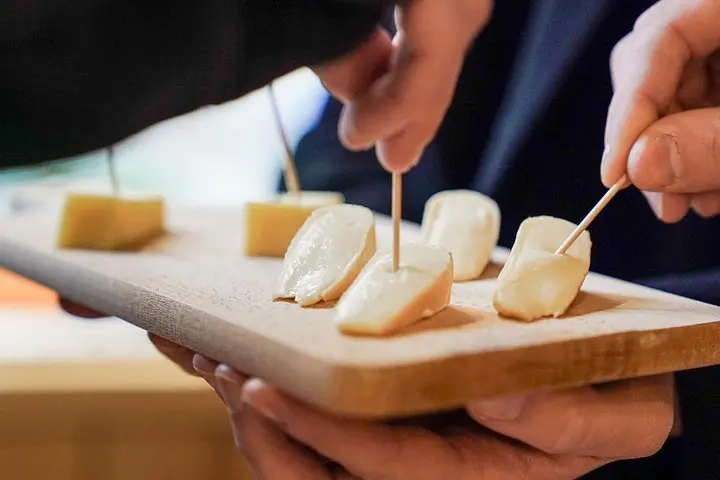
Walk past pink sandstone facades and into hidden bakeries on a two-hour local-led tour of Strasbourg. Taste kugelhopf, pain d’épices and other Alsatian treats while learning the history and curiosities tucked into the city’s streets.
Walk past pink sandstone facades and into hidden bakeries on a two-hour local-led tour of Strasbourg. Taste kugelhopf, pain d’épices and other Alsatian treats while learning the history and curiosities tucked into the city’s streets.
A late-morning sun slides off pink sandstone and the cathedral’s carved faces watch as a small group steps from a narrow rue into the hum of Strasbourg. The guide—born and bred in the city—threads the tour through half-hidden passageways, stopping at a patisserie where warm kugelhopf sighs on the counter and an old boutique that has kept its oriels and secrets for centuries.
Verified experiences and guided adventures in the surrounding area.
Operated by That's All Local · Strasbourg, Grand Est
A late-morning sun slides off pink sandstone and the cathedral’s carved faces watch as a small group steps from a narrow rue into the hum of Strasbourg. The guide—born and bred in the city—threads the tour through half-hidden passageways, stopping at a patisserie where warm kugelhopf sighs on the counter and an old boutique that has kept its oriels and secrets for centuries.
The route follows Grande Île’s medieval bones: a Romanesque-to-Gothic cathedral sitting on the city’s highest point, quays along the Ill River that once carried merchants and now host swans, and pocket squares where Alsatian craft persists. Geology shows in the pink Vosges sandstone of façades; culture surfaces in façonned breads, pain d’épices, and the region’s German-French culinary crosscurrents. Guides weave historical notes—city as crossroads, the cathedral’s 13th–15th century evolution—and spot local curiosities like the Caveau du Futur stamped into the pavement.
Practical edge: expect 1.5–3 miles of walking with several standing tastings over roughly two hours. Wear sturdy shoes for cobbles, carry a water bottle, and flag dietary needs before booking. The best time to go is mid-morning or late afternoon to avoid market crowds and fully taste each stop. Bring a small notebook or camera; the tour moves deliberately, trading speed for stories and flavors. For travelers who want an efficient orientation to Strasbourg’s food culture—with reliable local recommendations—this two-hour walk delivers both texture and takeaways.
Yes—contact the operator ahead of your booking to specify allergies or dietary needs so they can arrange alternatives.
Guides typically speak English and French; bilingual commentary may switch between both languages during stops.
Many sections are stroller-friendly, but some cobbled streets and narrow alleys may be uneven—plan for short lifts or slower paces.
Expect about 1.5–3 miles (2.5–5 km) of walking with several standing tastings over the two-hour itinerary.
That's All Local operates guided outdoor trips and adventures with an emphasis on safety, stewardship, and memorable experiences.
A late-morning sun slides off pink sandstone and the cathedral’s carved faces watch as a small group steps from a narrow rue into the hum of Strasbourg. The guide—born and bred in the city—threads the tour through half-hidden passageways, stopping at a patisserie where warm kugelhopf sighs on the counter and an old boutique that has kept its oriels and secrets for centuries.
A late-morning sun slides off pink sandstone and the cathedral’s carved faces watch as a small group steps from a narrow rue into the hum of Strasbourg. The guide—born and bred in the city—threads the tour through half-hidden passageways, stopping at a patisserie where warm kugelhopf sighs on the counter and an old boutique that has kept its oriels and secrets for centuries.
The route follows Grande Île’s medieval bones: a Romanesque-to-Gothic cathedral sitting on the city’s highest point, quays along the Ill River that once carried merchants and now host swans, and pocket squares where Alsatian craft persists. Geology shows in the pink Vosges sandstone of façades; culture surfaces in façonned breads, pain d’épices, and the region’s German-French culinary crosscurrents. Guides weave historical notes—city as crossroads, the cathedral’s 13th–15th century evolution—and spot local curiosities like the Caveau du Futur stamped into the pavement.
Practical edge: expect 1.5–3 miles of walking with several standing tastings over roughly two hours. Wear sturdy shoes for cobbles, carry a water bottle, and flag dietary needs before booking. The best time to go is mid-morning or late afternoon to avoid market crowds and fully taste each stop. Bring a small notebook or camera; the tour moves deliberately, trading speed for stories and flavors. For travelers who want an efficient orientation to Strasbourg’s food culture—with reliable local recommendations—this two-hour walk delivers both texture and takeaways.