THE ADVENTURE COLLECTIVE® · Independent discovery and booking for outdoor travel

Walk Grande Île with a private guide and uncover Strasbourg’s blend of French and German history, Gothic architecture, and canal-side quarters. This two-hour tour focuses on Petite France, the cathedral, Palais Rohan and Ponts Couverts with local context and practical tips.
Walk Grande Île with a private guide and uncover Strasbourg’s blend of French and German history, Gothic architecture, and canal-side quarters. This two-hour tour focuses on Petite France, the cathedral, Palais Rohan and Ponts Couverts with local context and practical tips.
Morning light bounces off black-and-white timber frames and the Ill River nudges the cobbles as a local guide turns a corner into Petite France. The city smells faintly of baking bread and river damp; a bell from the cathedral counts out a slow, steady time. In two hours a private guide tightens the focus: architecture, canals, and the small stories that reveal Strasbourg’s dual French–German identity.
Verified experiences and guided adventures in the surrounding area.
Operated by European Voyages · Strasbourg, Grand Est
Morning light bounces off black-and-white timber frames and the Ill River nudges the cobbles as a local guide turns a corner into Petite France. The city smells faintly of baking bread and river damp; a bell from the cathedral counts out a slow, steady time. In two hours a private guide tightens the focus: architecture, canals, and the small stories that reveal Strasbourg’s dual French–German identity.
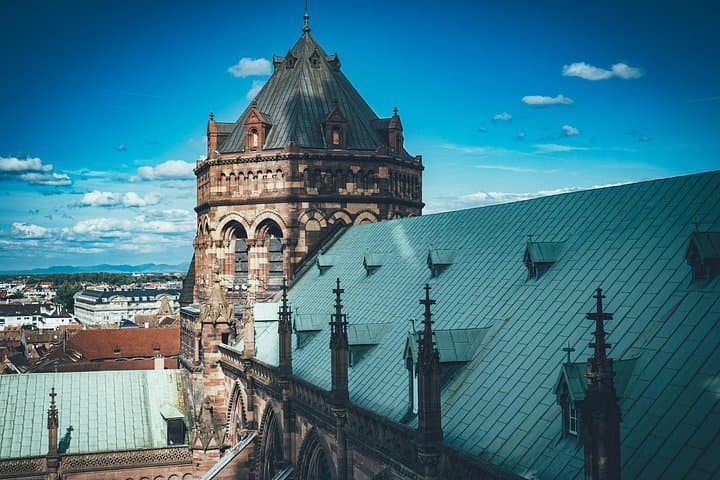
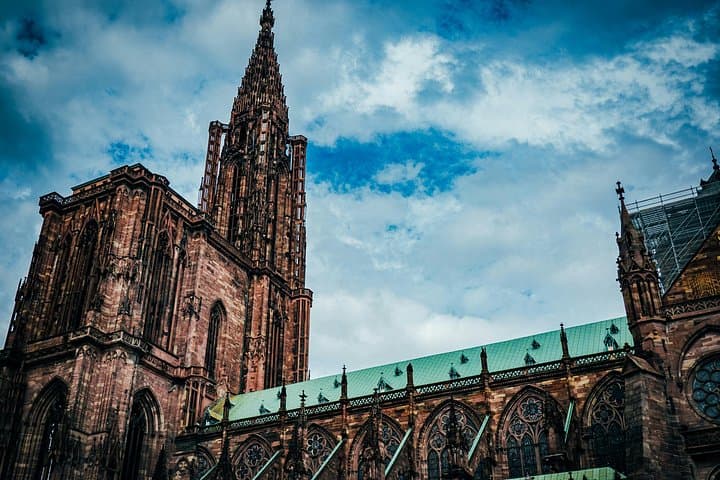
Grande Île is one of the few city centers designated a UNESCO World Heritage Site, its layout unchanged since medieval times. The cathedral’s sandstone spire rises from Vosges and Rhine alluvial deposits, a reminder that this is a borderland shaped by geology and politics alike. Palais Rohan speaks to 18th‑century ecclesiastical power while Petite France keeps memory of tanners and millers in its low arches and narrow bridges.
Practical guidance arrives mid‑walk: best views from Ponts Couverts at low sun, quieter lanes near Place Gutenberg for photos, and why skip‑the‑line tickets for the cathedral’s platform save precious minutes. The tour is flat and paved—suitable for all steady walkers—but expect cobbles and occasional stairs inside historic buildings.
Timing matters: mornings bring softer light and fewer crowds; late afternoons offer warm tones for canal photos and nearby bistros. Bring a compact rain layer, comfortable shoes, and a camera with a wide lens. Guides can tailor the route—ask about museum entry or a post‑tour recommendation for tarte flambée. In two hours, Strasbourg’s layers of history and culture are made immediate, navigable, and distinctly walkable.
The tour lasts about two hours and covers roughly 1.5–2 kilometers on paved streets and cobbles with frequent stops.
Yes—routes are stroller accessible in most parts, though some bridges and alleys have cobbles; inform the operator if you need stroller-friendly pacing.
Standard bookings include a guiding service; entrance fees (e.g., cathedral platform or museums) are optional and can be arranged on request.
Private tours commonly offer English and French; confirm language preferences when booking to ensure availability.
European Voyages operates guided outdoor trips and adventures with an emphasis on safety, stewardship, and memorable experiences.


Morning light bounces off black-and-white timber frames and the Ill River nudges the cobbles as a local guide turns a corner into Petite France. The city smells faintly of baking bread and river damp; a bell from the cathedral counts out a slow, steady time. In two hours a private guide tightens the focus: architecture, canals, and the small stories that reveal Strasbourg’s dual French–German identity.
Morning light bounces off black-and-white timber frames and the Ill River nudges the cobbles as a local guide turns a corner into Petite France. The city smells faintly of baking bread and river damp; a bell from the cathedral counts out a slow, steady time. In two hours a private guide tightens the focus: architecture, canals, and the small stories that reveal Strasbourg’s dual French–German identity.
Grande Île is one of the few city centers designated a UNESCO World Heritage Site, its layout unchanged since medieval times. The cathedral’s sandstone spire rises from Vosges and Rhine alluvial deposits, a reminder that this is a borderland shaped by geology and politics alike. Palais Rohan speaks to 18th‑century ecclesiastical power while Petite France keeps memory of tanners and millers in its low arches and narrow bridges.
Practical guidance arrives mid‑walk: best views from Ponts Couverts at low sun, quieter lanes near Place Gutenberg for photos, and why skip‑the‑line tickets for the cathedral’s platform save precious minutes. The tour is flat and paved—suitable for all steady walkers—but expect cobbles and occasional stairs inside historic buildings.
Timing matters: mornings bring softer light and fewer crowds; late afternoons offer warm tones for canal photos and nearby bistros. Bring a compact rain layer, comfortable shoes, and a camera with a wide lens. Guides can tailor the route—ask about museum entry or a post‑tour recommendation for tarte flambée. In two hours, Strasbourg’s layers of history and culture are made immediate, navigable, and distinctly walkable.