THE ADVENTURE COLLECTIVE® · Independent discovery and booking for outdoor travel

Walk through Strasbourg’s history on a 2.5-hour guided route that visits Petite France, the Quartier des Tonneliers and ends at the Cathedral. Expect canal-side views, Alsatian culture tips and practical local recommendations.
Walk through Strasbourg’s history on a 2.5-hour guided route that visits Petite France, the Quartier des Tonneliers and ends at the Cathedral. Expect canal-side views, Alsatian culture tips and practical local recommendations.
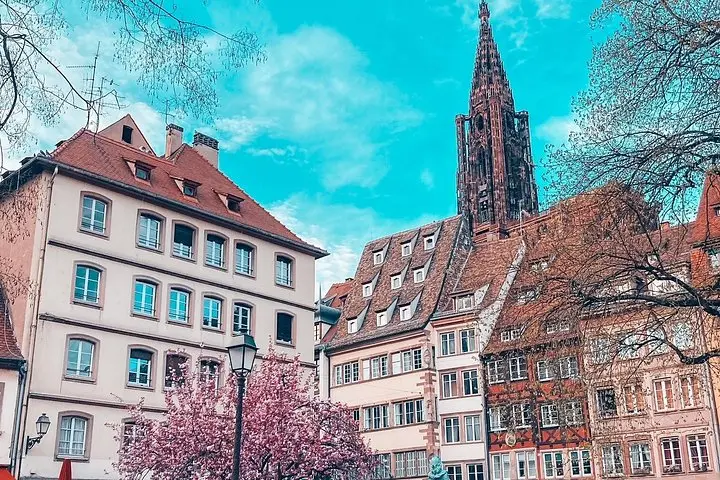
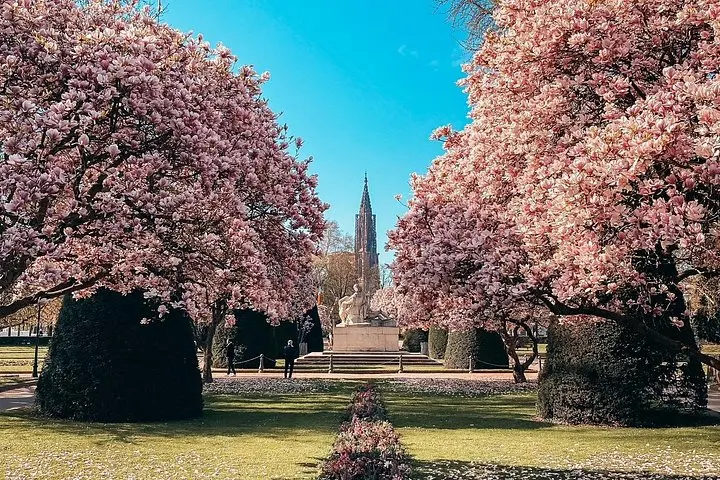
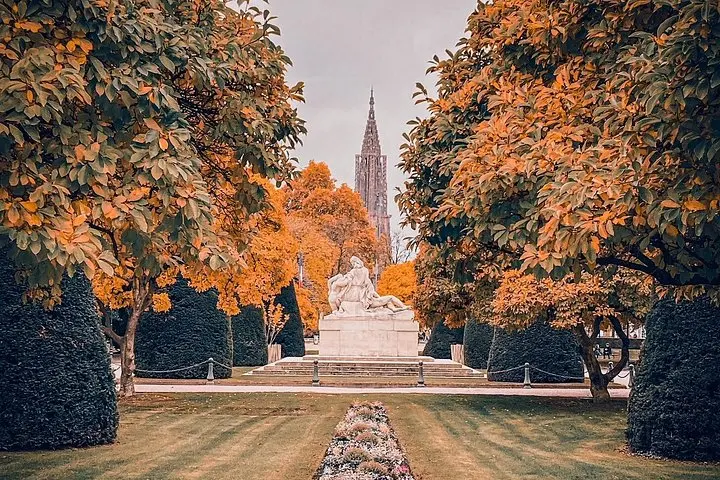
A cool morning gathers over Strasbourg’s cobbled streets as the guide waits in front of the war memorial — the city’s layers quietly visible: timber-framed houses, canal reflections, and the silhouette of the cathedral drawing the eye.
Verified experiences and guided adventures in the surrounding area.
Operated by Davide Diana - Where In Strasbourg · Strasbourg, Grand Est
A cool morning gathers over Strasbourg’s cobbled streets as the guide waits in front of the war memorial — the city’s layers quietly visible: timber-framed houses, canal reflections, and the silhouette of the cathedral drawing the eye.
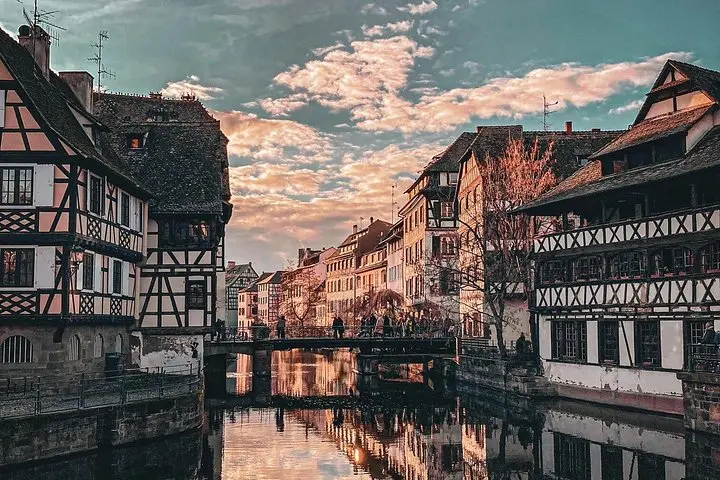
This two-and-a-half-hour guided walk threads the historic core from Roman foundations through medieval trade and modern Franco‑German shifts. Participants move between key squares — where markets and civic life mark centuries of change — and down into Petite France, where the Ill River nudges the quays and former tannery houses lean toward the water. The tour pauses in the Quartier des Tonneliers to explain Strasbourg’s craft and guild history, and ends at the Cathedral of Notre‑Dame, whose spire once ranked among Europe’s tallest.
Geology here is gentle: the Rhine plain and braided Ill channels shaped the city’s layout and trade routes. Culturally, expect local asides on Alsatian cuisine (try tarte flambée at a nearby winstub) and the city’s role in European institutions. Guides typically point out practical museum and restaurant recommendations without including admissions.
Practical guidance: wear sturdy shoes for uneven cobbles, bring a refillable water bottle, and layer for changeable weather. The route is mostly flat but includes narrow lanes and canal-side steps; the tour is suitable for most fitness levels and is wheelchair-accessible in many sections, though cobbles can be bumpy. Start times are punctual — arrive 10 minutes early with your mobile ticket, and plan for a relaxed tempo that balances storytelling with moving between landmarks.
The operator lists the tour as wheelchair accessible; however, portions of the historic center have uneven cobbles and narrow passages—contact the provider in advance to confirm route adjustments.
No — the tour ends in front of the Cathedral and the guide provides stories and orientation, but entry is not included.
Language options are specified at booking; if you need a specific language, confirm at reservation since offerings can vary by date and guide.
Yes — the guide provides personalized recommendations for museums, nearby restaurants, and practical tips for what to visit next.
Davide Diana - Where In Strasbourg operates guided outdoor trips and adventures with an emphasis on safety, stewardship, and memorable experiences.
A cool morning gathers over Strasbourg’s cobbled streets as the guide waits in front of the war memorial — the city’s layers quietly visible: timber-framed houses, canal reflections, and the silhouette of the cathedral drawing the eye.
A cool morning gathers over Strasbourg’s cobbled streets as the guide waits in front of the war memorial — the city’s layers quietly visible: timber-framed houses, canal reflections, and the silhouette of the cathedral drawing the eye.
This two-and-a-half-hour guided walk threads the historic core from Roman foundations through medieval trade and modern Franco‑German shifts. Participants move between key squares — where markets and civic life mark centuries of change — and down into Petite France, where the Ill River nudges the quays and former tannery houses lean toward the water. The tour pauses in the Quartier des Tonneliers to explain Strasbourg’s craft and guild history, and ends at the Cathedral of Notre‑Dame, whose spire once ranked among Europe’s tallest.
Geology here is gentle: the Rhine plain and braided Ill channels shaped the city’s layout and trade routes. Culturally, expect local asides on Alsatian cuisine (try tarte flambée at a nearby winstub) and the city’s role in European institutions. Guides typically point out practical museum and restaurant recommendations without including admissions.
Practical guidance: wear sturdy shoes for uneven cobbles, bring a refillable water bottle, and layer for changeable weather. The route is mostly flat but includes narrow lanes and canal-side steps; the tour is suitable for most fitness levels and is wheelchair-accessible in many sections, though cobbles can be bumpy. Start times are punctual — arrive 10 minutes early with your mobile ticket, and plan for a relaxed tempo that balances storytelling with moving between landmarks.