THE ADVENTURE COLLECTIVE® · Independent discovery and booking for outdoor travel

Skip the queues at Strawberry Field and explore the gardens, archives and media-guided exhibition that trace John Lennon’s childhood landscape and the Salvation Army history behind the famous gates. This practical guide explains what to expect, how to plan your visit and nearby sights to combine with the tour.
Skip the queues at Strawberry Field and explore the gardens, archives and media-guided exhibition that trace John Lennon’s childhood landscape and the Salvation Army history behind the famous gates. This practical guide explains what to expect, how to plan your visit and nearby sights to combine with the tour.
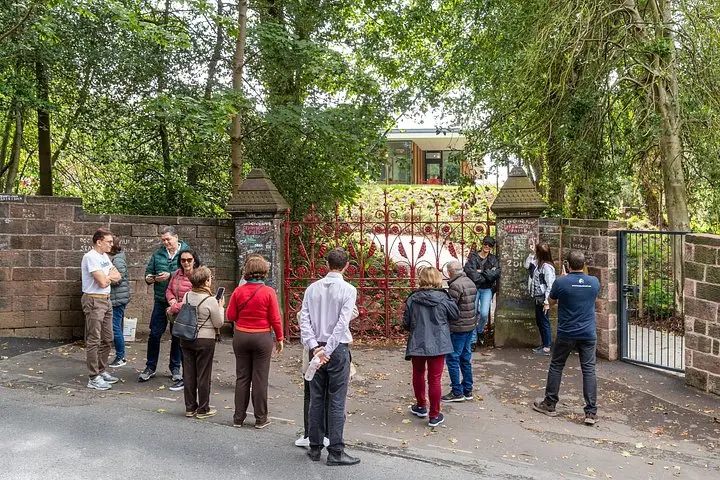
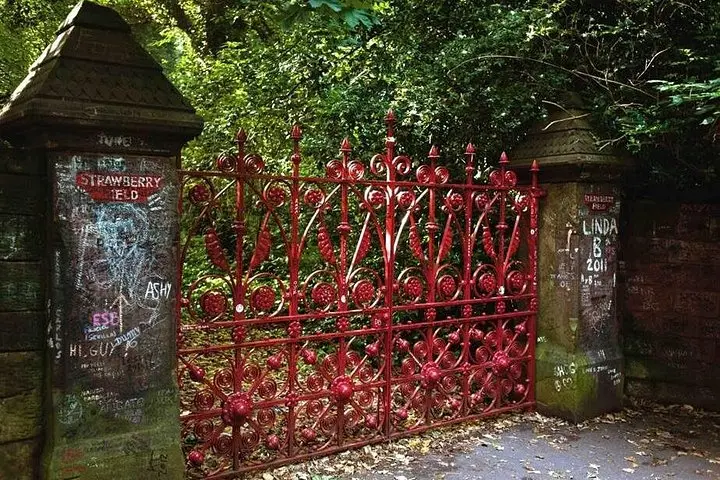
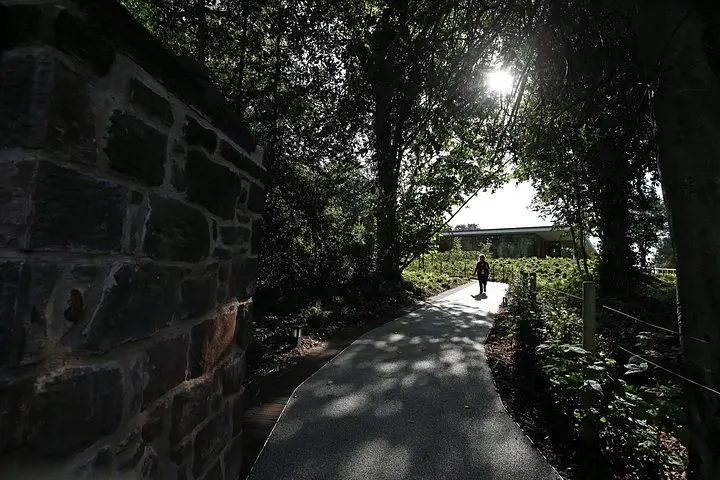
You step through the painted red gates and the mood of a mid-century Liverpool afternoon settles around you: a gravel path underfoot, clipped lawns to one side and a quiet, reflective garden ahead where a young John Lennon once played.
Verified experiences and guided adventures in the surrounding area.
Operated by Strawberry Field · Liverpool, Merseyside
You step through the painted red gates and the mood of a mid-century Liverpool afternoon settles around you: a gravel path underfoot, clipped lawns to one side and a quiet, reflective garden ahead where a young John Lennon once played.
The visitor experience combines a compact exhibition of archival footage, photographs and timelines with a media guide who places the site in context — the Salvation Army home that gave the place its name, the 1960s Liverpool that produced the Beatles, and the cultural leap from a local garden to the global phrase “Strawberry Fields Forever.” Geologically this is Liverpool’s low-lying clay plain; the gardens sit on well-drained soil that supports mature trees and shrub beds rather than dramatic topography.
Culturally, Strawberry Field is a short walk from Woolton village and St Peter’s Church, the site of the Lennon–McCartney meeting, so the visit slots neatly into a broader Beatles-themed walking loop. Staff will outline the Steps to Work programme that runs on site and how the property functions as both heritage attraction and community resource.
Practical notes: the tour runs about 60–180 minutes depending on exhibition dwell time; there’s a cafe and shop on site. It’s accessible to wheelchairs and strollers, and public transport options reach Woolton village. Wear comfortable shoes for paths, bring a light layer for Liverpool’s coastal breeze, and aim for morning slots to avoid peak visitor times. Photography is welcome in most areas — check with staff about special exhibits — and plan 30–60 minutes extra if you intend to explore nearby Woolton lanes and St Peter’s Churchyard.
The experience typically lasts 60–180 minutes depending on how long you spend in the exhibition and gardens.
Yes — the site is wheelchair- and stroller-accessible; contact the attraction for specific support needs.
Yes — there is a café and gift shop on site offering light refreshments and souvenirs.
Mobile or paper tickets are accepted; keep your booking confirmation available for entry.
Strawberry Field operates guided outdoor trips and adventures with an emphasis on safety, stewardship, and memorable experiences.

You step through the painted red gates and the mood of a mid-century Liverpool afternoon settles around you: a gravel path underfoot, clipped lawns to one side and a quiet, reflective garden ahead where a young John Lennon once played.
You step through the painted red gates and the mood of a mid-century Liverpool afternoon settles around you: a gravel path underfoot, clipped lawns to one side and a quiet, reflective garden ahead where a young John Lennon once played.
The visitor experience combines a compact exhibition of archival footage, photographs and timelines with a media guide who places the site in context — the Salvation Army home that gave the place its name, the 1960s Liverpool that produced the Beatles, and the cultural leap from a local garden to the global phrase “Strawberry Fields Forever.” Geologically this is Liverpool’s low-lying clay plain; the gardens sit on well-drained soil that supports mature trees and shrub beds rather than dramatic topography.
Culturally, Strawberry Field is a short walk from Woolton village and St Peter’s Church, the site of the Lennon–McCartney meeting, so the visit slots neatly into a broader Beatles-themed walking loop. Staff will outline the Steps to Work programme that runs on site and how the property functions as both heritage attraction and community resource.
Practical notes: the tour runs about 60–180 minutes depending on exhibition dwell time; there’s a cafe and shop on site. It’s accessible to wheelchairs and strollers, and public transport options reach Woolton village. Wear comfortable shoes for paths, bring a light layer for Liverpool’s coastal breeze, and aim for morning slots to avoid peak visitor times. Photography is welcome in most areas — check with staff about special exhibits — and plan 30–60 minutes extra if you intend to explore nearby Woolton lanes and St Peter’s Churchyard.