THE ADVENTURE COLLECTIVE® · Independent discovery and booking for outdoor travel

A tight, 90-minute walk through Chelsea and the Meatpacking District that unpacks the politics behind New York's street art. Learn techniques, backstories and where public art clashes with private property.
A tight, 90-minute walk through Chelsea and the Meatpacking District that unpacks the politics behind New York's street art. Learn techniques, backstories and where public art clashes with private property.
The afternoon sun slants across a corrugated metal garage door and a mural of a raised fist glows like a stoplight—you can feel the city’s argument in color. On a 90-minute walk that threads the Meatpacking District, the High Line and blocks of Chelsea, guides unfold that argument: how paint, paste-up and spray can claim space, contest ownership and reframe history.
Verified experiences and guided adventures in the surrounding area.
Operated by Sidewalk Alchemy · New York, New York
The afternoon sun slants across a corrugated metal garage door and a mural of a raised fist glows like a stoplight—you can feel the city’s argument in color. On a 90-minute walk that threads the Meatpacking District, the High Line and blocks of Chelsea, guides unfold that argument: how paint, paste-up and spray can claim space, contest ownership and reframe history.
This tour moves at the pace of the street. You’ll start near 14th Street and 8th Avenue, where storefront shutters still wear tags from decades ago, then work west and north through alleyways, service doors and the High Line’s elevated promenade. Along the way the guide anchors each piece—its maker, technique and the politics that placed it there—so the art stops being decoration and begins to read like a public conversation.
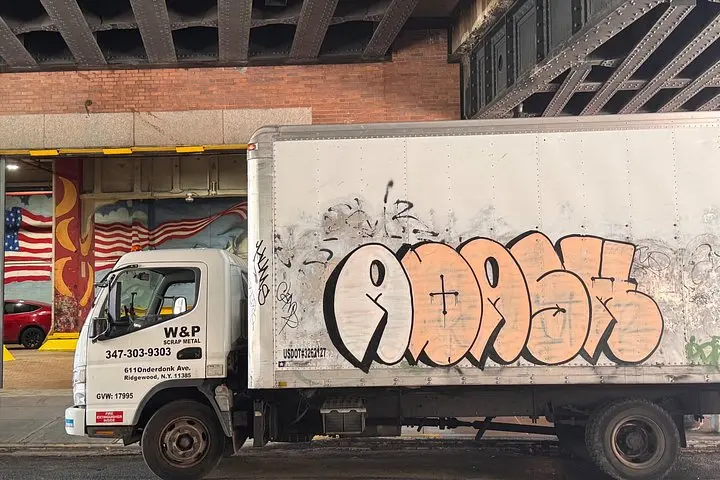
New York’s street art has roots in the graffiti boom of the 1970s and the cultural overflow of hip-hop, but it’s also shaped by zoning, real estate and gentrification. Galleries like the Whitney loom nearby as a reminder: one city wall can host a quiet canvas or a headline-grabbing installation. Chelsea’s warehouses and the Meatpacking District’s industrial bones gave artists large blank surfaces; today, those same facades are battlegrounds where legal murals, commissioned works and illegal pieces overlap.
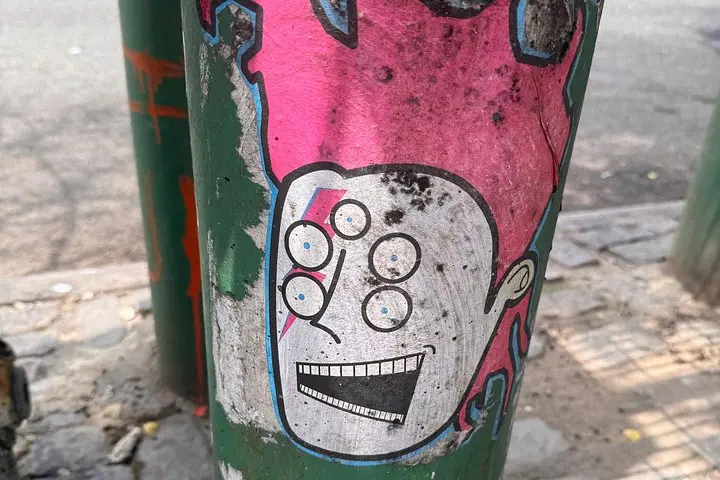
Built fabric matters. Brick, corrugated steel and stucco all demand different approaches from artists—some use wheatpaste for quick statements, others build layered murals that take days. The High Line’s linear vantage points let you read whole streetscapes at once; alleys and loading docks force a close-up, tactile encounter.
Practical guidance: the tour covers roughly 1.5–2 miles on mostly flat, paved surfaces with some pedestrian traffic and occasional stairs on the High Line. Wear sturdy shoes, bring a small water bottle, and leave large backpacks at your hotel—space can be tight. The meeting point is above the 14th Street subway station (A/C/E or L lines); exact meeting coordinates are sent with booking. Expect a mix of standing and walking—if you’re comfortable with 90 minutes of urban exploration, you’ll be fine.
Timing matters for photography: late afternoon light makes murals pop but also draws crowds; early morning light is cleaner if you can make it. Respect private property and posted signs—good guides will point out permission-based murals and ephemeral pieces alike. This walk is as much about listening as looking: the city’s walls keep changing, and each tour is a snapshot of a conversation still in progress.
The walking tour lasts 90 minutes and typically covers about 1.5–2 miles of Chelsea and the Meatpacking District.
The meeting point is near the Museum of Illusions at 8th Avenue and 14th Street, above the 14th Street subway station (A/C/E and L lines); exact spot is provided after booking.
The tour listing notes wheelchair accessibility, but parts of the route (crowded sidewalks and High Line ramps) vary—contact the operator in advance to confirm specific accommodations.
You’ll see a mix: commissioned murals, gallery-adjacent street pieces and ephemeral illegal work; guides explain context and permissions when known.
Families with school-aged children can join, but the tour involves continuous walking and politically charged subject matter—use discretion for younger kids.
Sometimes artists are present, but not guaranteed; guides will point out ongoing projects and provide tips for connecting with local artists and collectives.
Sidewalk Alchemy operates guided outdoor trips and adventures with an emphasis on safety, stewardship, and memorable experiences.
The afternoon sun slants across a corrugated metal garage door and a mural of a raised fist glows like a stoplight—you can feel the city’s argument in color. On a 90-minute walk that threads the Meatpacking District, the High Line and blocks of Chelsea, guides unfold that argument: how paint, paste-up and spray can claim space, contest ownership and reframe history.
The afternoon sun slants across a corrugated metal garage door and a mural of a raised fist glows like a stoplight—you can feel the city’s argument in color. On a 90-minute walk that threads the Meatpacking District, the High Line and blocks of Chelsea, guides unfold that argument: how paint, paste-up and spray can claim space, contest ownership and reframe history.
This tour moves at the pace of the street. You’ll start near 14th Street and 8th Avenue, where storefront shutters still wear tags from decades ago, then work west and north through alleyways, service doors and the High Line’s elevated promenade. Along the way the guide anchors each piece—its maker, technique and the politics that placed it there—so the art stops being decoration and begins to read like a public conversation.
New York’s street art has roots in the graffiti boom of the 1970s and the cultural overflow of hip-hop, but it’s also shaped by zoning, real estate and gentrification. Galleries like the Whitney loom nearby as a reminder: one city wall can host a quiet canvas or a headline-grabbing installation. Chelsea’s warehouses and the Meatpacking District’s industrial bones gave artists large blank surfaces; today, those same facades are battlegrounds where legal murals, commissioned works and illegal pieces overlap.
Built fabric matters. Brick, corrugated steel and stucco all demand different approaches from artists—some use wheatpaste for quick statements, others build layered murals that take days. The High Line’s linear vantage points let you read whole streetscapes at once; alleys and loading docks force a close-up, tactile encounter.
Practical guidance: the tour covers roughly 1.5–2 miles on mostly flat, paved surfaces with some pedestrian traffic and occasional stairs on the High Line. Wear sturdy shoes, bring a small water bottle, and leave large backpacks at your hotel—space can be tight. The meeting point is above the 14th Street subway station (A/C/E or L lines); exact meeting coordinates are sent with booking. Expect a mix of standing and walking—if you’re comfortable with 90 minutes of urban exploration, you’ll be fine.
Timing matters for photography: late afternoon light makes murals pop but also draws crowds; early morning light is cleaner if you can make it. Respect private property and posted signs—good guides will point out permission-based murals and ephemeral pieces alike. This walk is as much about listening as looking: the city’s walls keep changing, and each tour is a snapshot of a conversation still in progress.