THE ADVENTURE COLLECTIVE® · Independent discovery and booking for outdoor travel

Walk Chamonix as a living puzzle: an app-led scavenger hunt that re-creates the 1786 race to Mont Blanc. Expect historical vignettes, street-level riddles, and 2–3 hours of easy urban exploration with mountain views.
Walk Chamonix as a living puzzle: an app-led scavenger hunt that re-creates the 1786 race to Mont Blanc. Expect historical vignettes, street-level riddles, and 2–3 hours of easy urban exploration with mountain views.
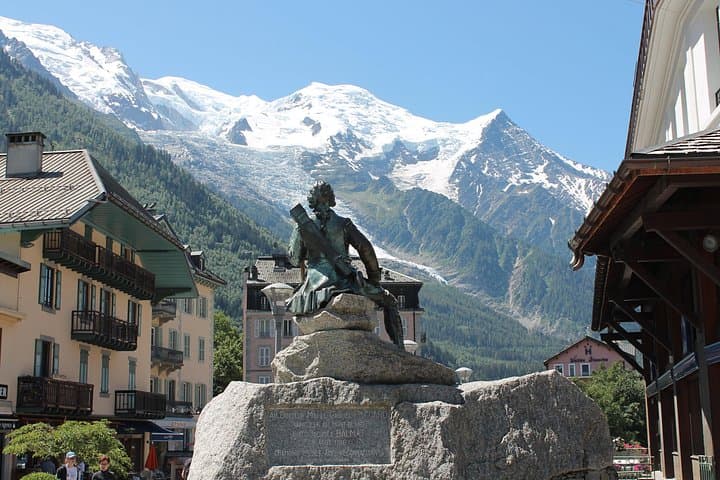
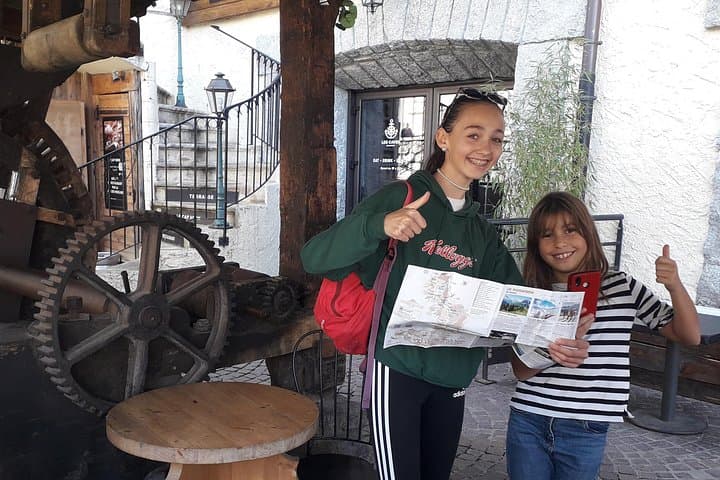
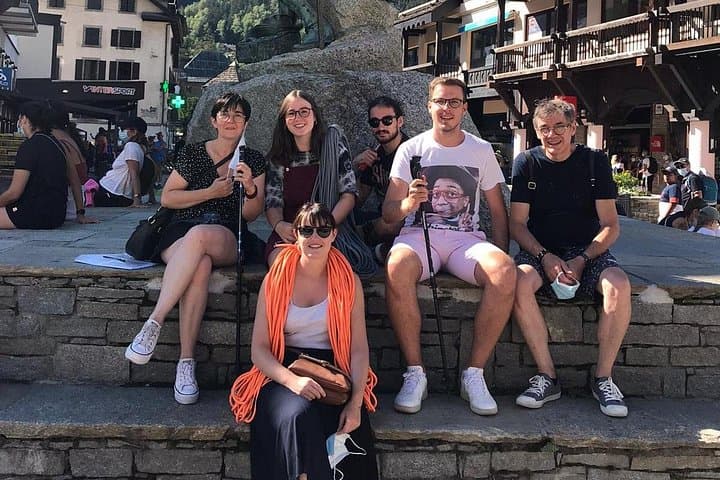
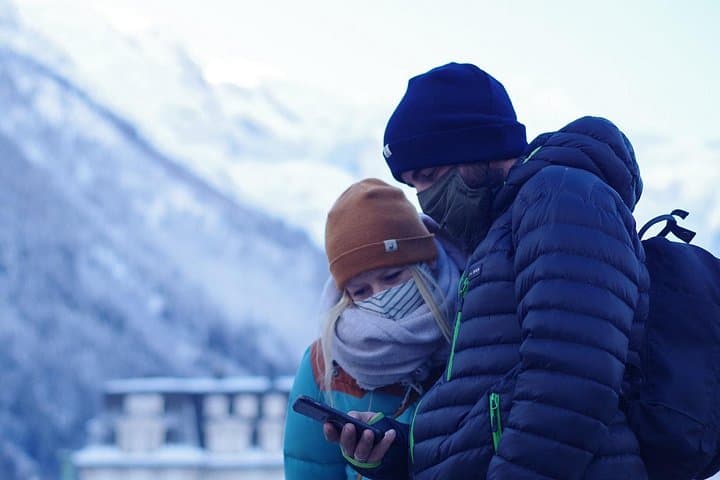
The square hums with the early-morning rhythm of a mountain town: bakeries exhale warm bread, trams click past, and Mont Blanc looms like an impatient judge above the rooftops. Players unlock the first clue on their phones and step into 1786, when Jacques Balmat and Michel Paccard raced toward the summit; the streets themselves become a game board where shutters, plaques, and church façades hold pieces of a larger puzzle.
Verified experiences and guided adventures in the surrounding area.
Operated by Agence 1786 · Chamonix-Mont-Blanc, Auvergne-Rhône-Alpes
The square hums with the early-morning rhythm of a mountain town: bakeries exhale warm bread, trams click past, and Mont Blanc looms like an impatient judge above the rooftops. Players unlock the first clue on their phones and step into 1786, when Jacques Balmat and Michel Paccard raced toward the summit; the streets themselves become a game board where shutters, plaques, and church façades hold pieces of a larger puzzle.
The experience threads history, geology, and local culture into a walking puzzle. Chamonix’s growth from pastoral Alpine village to international climbing hub mirrors the narrative of the first ascent: scientific curiosity, local know-how, and a hunger for altitude. The surrounding rock—granite shaped by glaciers—frames the town and appears in place names and museum exhibits you’ll pass. Street-level anecdotes and period details bring the Enlightenment-era rivalry to life while hinting at the mountaineering techniques that followed.
Expect an urban hike of cobbled lanes, short stairways, and compact plazas rather than rugged trails. The game moves at walking pace and rewards observational skill more than speed; it’s as much about stopping to read old signage as about solving riddles. Along the route, cafés and small museums offer good pause points and a chance to sample local Savoyard flavors.
Practical notes: bring a fully charged smartphone, use comfortable walking shoes, and allow 2–3 hours plus breaks. Weather in the valley can shift fast—carry a lightweight rain layer. The digital companion guides the route but bring a backup map or download offline maps if your data is spotty. Start in the pedestrian center to orient yourself and plan time for a post-game coffee on a terrace that looks up at the mountain that started it all.
The activity is designed for about 2–2.5 hours (150 minutes), but allow extra time for breaks, cafés, or visiting small exhibits along the route.
Yes—puzzles are family-friendly and the route is stroller-accessible, though younger children may need help with some riddles.
Confirm language availability when booking; many digital companions offer multiple languages but availability can vary by provider.
This mobile experience is self-guided and typically available year-round; check booking details for recommended start times and any seasonal closures.
Agence 1786 operates guided outdoor trips and adventures with an emphasis on safety, stewardship, and memorable experiences.
The square hums with the early-morning rhythm of a mountain town: bakeries exhale warm bread, trams click past, and Mont Blanc looms like an impatient judge above the rooftops. Players unlock the first clue on their phones and step into 1786, when Jacques Balmat and Michel Paccard raced toward the summit; the streets themselves become a game board where shutters, plaques, and church façades hold pieces of a larger puzzle.
The square hums with the early-morning rhythm of a mountain town: bakeries exhale warm bread, trams click past, and Mont Blanc looms like an impatient judge above the rooftops. Players unlock the first clue on their phones and step into 1786, when Jacques Balmat and Michel Paccard raced toward the summit; the streets themselves become a game board where shutters, plaques, and church façades hold pieces of a larger puzzle.
The experience threads history, geology, and local culture into a walking puzzle. Chamonix’s growth from pastoral Alpine village to international climbing hub mirrors the narrative of the first ascent: scientific curiosity, local know-how, and a hunger for altitude. The surrounding rock—granite shaped by glaciers—frames the town and appears in place names and museum exhibits you’ll pass. Street-level anecdotes and period details bring the Enlightenment-era rivalry to life while hinting at the mountaineering techniques that followed.
Expect an urban hike of cobbled lanes, short stairways, and compact plazas rather than rugged trails. The game moves at walking pace and rewards observational skill more than speed; it’s as much about stopping to read old signage as about solving riddles. Along the route, cafés and small museums offer good pause points and a chance to sample local Savoyard flavors.
Practical notes: bring a fully charged smartphone, use comfortable walking shoes, and allow 2–3 hours plus breaks. Weather in the valley can shift fast—carry a lightweight rain layer. The digital companion guides the route but bring a backup map or download offline maps if your data is spotty. Start in the pedestrian center to orient yourself and plan time for a post-game coffee on a terrace that looks up at the mountain that started it all.