THE ADVENTURE COLLECTIVE® · Independent discovery and booking for outdoor travel

Navigate the narrow arteries of Old Delhi with a camera and a guide. This private 4–4.5 hour walk threads through Chandni Chowk and Chawri Bazar for market scenes, portraits, and rooftop viewpoints—ideal for photographers seeking authentic urban moments.
Navigate the narrow arteries of Old Delhi with a camera and a guide. This private 4–4.5 hour walk threads through Chandni Chowk and Chawri Bazar for market scenes, portraits, and rooftop viewpoints—ideal for photographers seeking authentic urban moments.
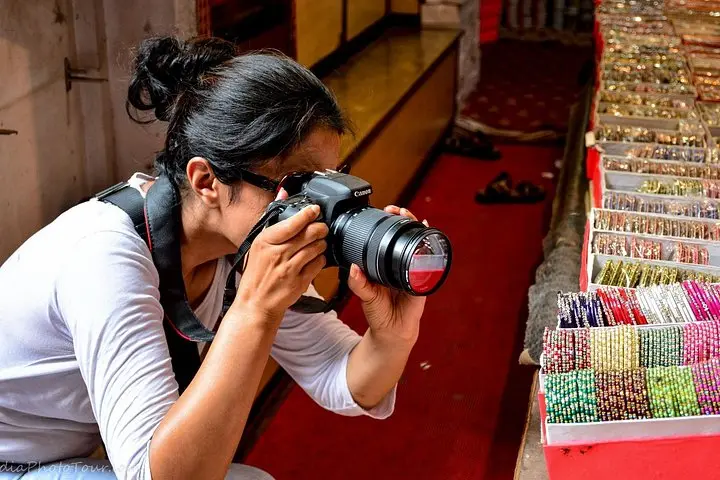
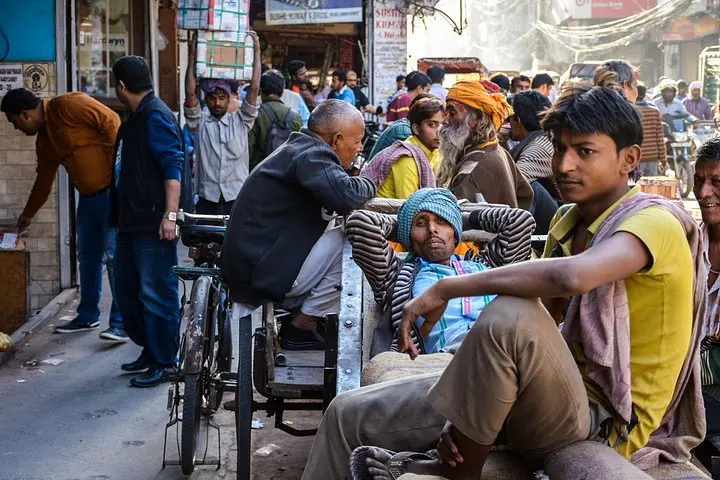
You step out of a rickshaw into a corridor of voices and color—saris brushing wooden carts, spices sending warm dust motes into the light, shopkeepers arranging brassware as if composing a photograph. The lanes of Old Delhi push and pull; the city’s rhythm tests your timing and rewards patient observation.
Verified experiences and guided adventures in the surrounding area.
Operated by Delhi Photo Tour · New Delhi, Delhi
You step out of a rickshaw into a corridor of voices and color—saris brushing wooden carts, spices sending warm dust motes into the light, shopkeepers arranging brassware as if composing a photograph. The lanes of Old Delhi push and pull; the city’s rhythm tests your timing and rewards patient observation.
Chandni Chowk and Chawri Bazar date to the Mughal planning of Shah Jahan’s capital, where narrow streets grew around trade routes that hugged the Yamuna. Buildings are layered histories—mughal-era façades, Victorian-era colonial interventions, and modern signage stacked on top of one another. The close-packed architecture creates dramatic side lighting and deep shadows ideal for street portraiture.
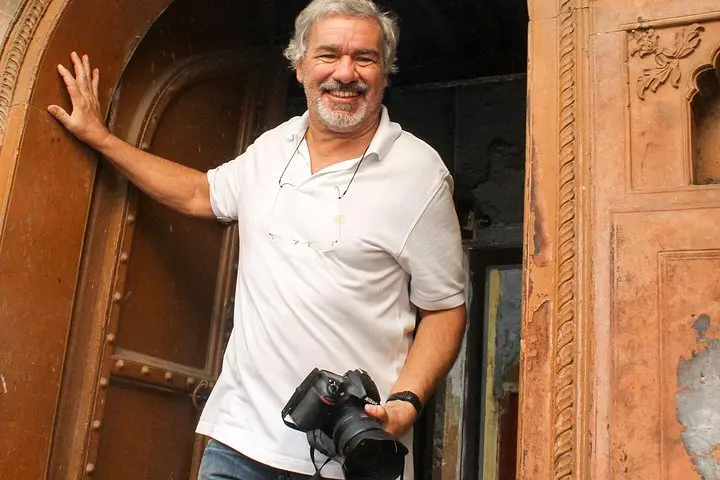
This private, guided walk (roughly 4–4.5 hours) moves through markets, temple fronts, and textbook street-scenes—food stalls, cycle rickshaws, and sari vendors—so expect a blend of candid human moments and arranged compositions. The guide helps with local introductions and rickshaw navigation, offering vantage points many visitors miss: narrow alleys that open to chaotic courtyards, rooftops for skyline frames, and quiet havelis where light slices through jali screens.
Practical notes: shoot in the cooler morning or late afternoon for softer light and manage crowds by staying mobile; always ask before photographing people, especially inside religious sites; secure gear close to your body and keep memory cards and batteries accessible. Bring comfortable shoes and plan short stops for chai and street snacks—Delhi’s flavors often make the best narrative elements for your images.
Yes—guides tailor the experience to skill level and offer practical tips on composition and camera settings.
Typical stops include Chandni Chowk, Chawri Bazar and nearby lanes; the exact route depends on traffic, timing and participant preference.
Yes—local rickshaw segments are included to move between key locations and capture authentic street vignettes.
Some religious sites limit photography; guides will advise and obtain permissions where required—always follow local rules and requests.
Delhi Photo Tour operates guided outdoor trips and adventures with an emphasis on safety, stewardship, and memorable experiences.
You step out of a rickshaw into a corridor of voices and color—saris brushing wooden carts, spices sending warm dust motes into the light, shopkeepers arranging brassware as if composing a photograph. The lanes of Old Delhi push and pull; the city’s rhythm tests your timing and rewards patient observation.
You step out of a rickshaw into a corridor of voices and color—saris brushing wooden carts, spices sending warm dust motes into the light, shopkeepers arranging brassware as if composing a photograph. The lanes of Old Delhi push and pull; the city’s rhythm tests your timing and rewards patient observation.
Chandni Chowk and Chawri Bazar date to the Mughal planning of Shah Jahan’s capital, where narrow streets grew around trade routes that hugged the Yamuna. Buildings are layered histories—mughal-era façades, Victorian-era colonial interventions, and modern signage stacked on top of one another. The close-packed architecture creates dramatic side lighting and deep shadows ideal for street portraiture.
This private, guided walk (roughly 4–4.5 hours) moves through markets, temple fronts, and textbook street-scenes—food stalls, cycle rickshaws, and sari vendors—so expect a blend of candid human moments and arranged compositions. The guide helps with local introductions and rickshaw navigation, offering vantage points many visitors miss: narrow alleys that open to chaotic courtyards, rooftops for skyline frames, and quiet havelis where light slices through jali screens.
Practical notes: shoot in the cooler morning or late afternoon for softer light and manage crowds by staying mobile; always ask before photographing people, especially inside religious sites; secure gear close to your body and keep memory cards and batteries accessible. Bring comfortable shoes and plan short stops for chai and street snacks—Delhi’s flavors often make the best narrative elements for your images.