THE ADVENTURE COLLECTIVE® · Independent discovery and booking for outdoor travel

Try on a kimono, have your hair styled, and step into Nara’s temple-lined streets for 60–90 minutes of living history. Practical tips on timing, footwear, and respecting the deer help you make the most of this culturally rich experience.
Try on a kimono, have your hair styled, and step into Nara’s temple-lined streets for 60–90 minutes of living history. Practical tips on timing, footwear, and respecting the deer help you make the most of this culturally rich experience.
A cool morning wind moves through the cedar trees as you step from a narrow dressing room into sunlight filtered by temple roofs. The kimono feels deliberate—the weight of folded silk, the firm tug of an obi—while outside, deer wander the stone paths as if waiting to inspect your outfit. This is a short, sensory encounter with Nara’s civic heart: a chance to wear clothing shaped by centuries of courtly ritual before you walk toward Todai-ji and Kasuga Taisha.
Verified experiences and guided adventures in the surrounding area.
Operated by 着物レンタル 美風堂 · Nara, Nara Prefecture
A cool morning wind moves through the cedar trees as you step from a narrow dressing room into sunlight filtered by temple roofs. The kimono feels deliberate—the weight of folded silk, the firm tug of an obi—while outside, deer wander the stone paths as if waiting to inspect your outfit. This is a short, sensory encounter with Nara’s civic heart: a chance to wear clothing shaped by centuries of courtly ritual before you walk toward Todai-ji and Kasuga Taisha.
Nara was Japan’s first permanent capital (710–794), and its broad park and monumental temples reflect a layered history of Buddhism, aristocratic culture, and ritual landscape design. The fabrics and dressing techniques you see were refined over generations; hairstyling trends echo Edo and Meiji sensibilities tailored for modern comfort. Local staff guide selection and dressing, and shops near Nara Park routinely provide geta or zōri so you can navigate cobblestones and shrine steps.
Practical guidance: book a slot early to avoid crowds and allow 60–90 minutes for dressing and photos. Wear thin, breathable undergarments to make dressing smoother and sneakers you can swap for sandals later. Carry small bills—some add-on accessories or photos are cash-only—and leave large luggage at the shop or your hotel. Plan your walk route (Todai-ji, Nara National Museum, Kasuga Taisha) and return the kimono by the stated time (typically by mid-to-late afternoon). Be mindful of deer—feed only where permitted and avoid sudden movements that can snag silk. With a little planning, the experience is an efficient, evocative way to move through Nara’s living history.
Dressing and hairstyling typically take 60–90 minutes; allow additional time for photos and walking to nearby sites.
You’ll remove shoes while dressing and wear provided zōri or geta for photos and short walks; bring easy-to-remove footwear.
Shops offer luggage storage for smaller items; large suitcases may incur extra fees—store big bags at your hotel or a coin locker.
Infants can sit in strollers, but the provider notes the experience is not recommended for pregnant travelers or people with serious heart conditions.
着物レンタル 美風堂 operates guided outdoor trips and adventures with an emphasis on safety, stewardship, and memorable experiences.
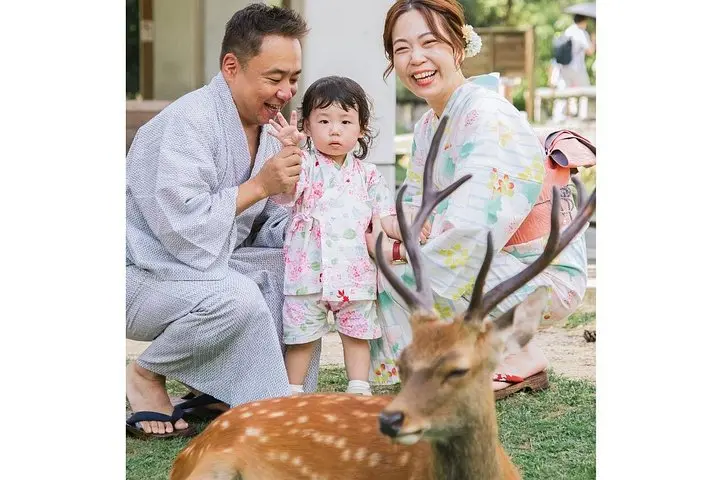
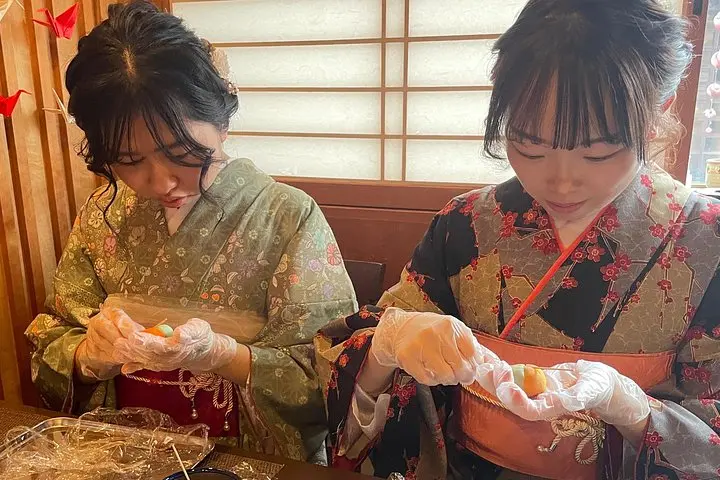
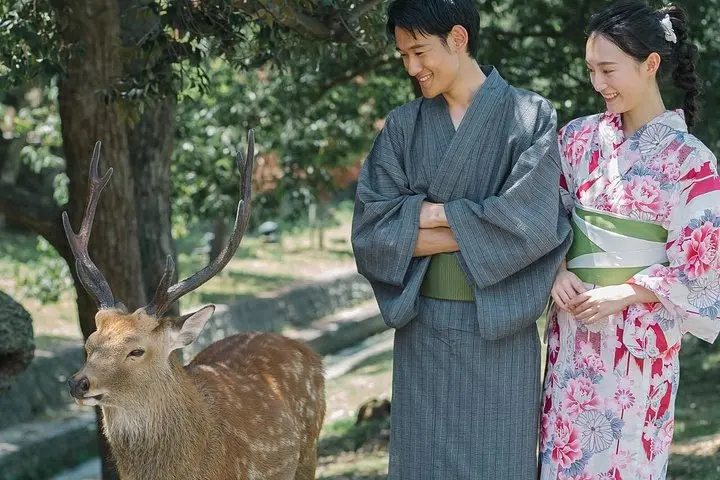
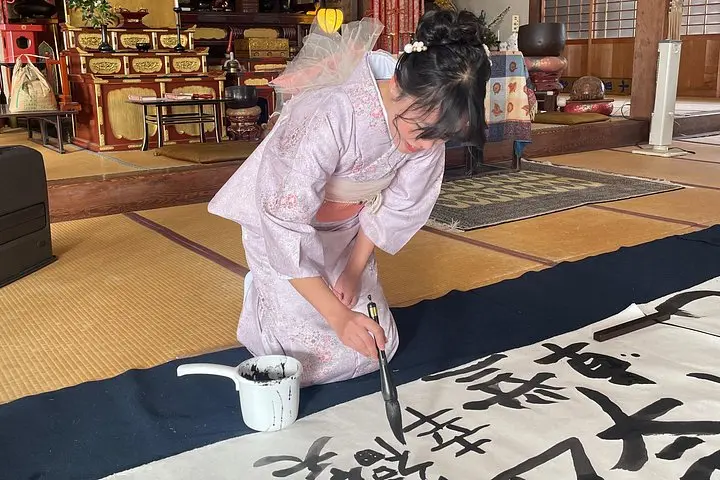
A cool morning wind moves through the cedar trees as you step from a narrow dressing room into sunlight filtered by temple roofs. The kimono feels deliberate—the weight of folded silk, the firm tug of an obi—while outside, deer wander the stone paths as if waiting to inspect your outfit. This is a short, sensory encounter with Nara’s civic heart: a chance to wear clothing shaped by centuries of courtly ritual before you walk toward Todai-ji and Kasuga Taisha.
A cool morning wind moves through the cedar trees as you step from a narrow dressing room into sunlight filtered by temple roofs. The kimono feels deliberate—the weight of folded silk, the firm tug of an obi—while outside, deer wander the stone paths as if waiting to inspect your outfit. This is a short, sensory encounter with Nara’s civic heart: a chance to wear clothing shaped by centuries of courtly ritual before you walk toward Todai-ji and Kasuga Taisha.
Nara was Japan’s first permanent capital (710–794), and its broad park and monumental temples reflect a layered history of Buddhism, aristocratic culture, and ritual landscape design. The fabrics and dressing techniques you see were refined over generations; hairstyling trends echo Edo and Meiji sensibilities tailored for modern comfort. Local staff guide selection and dressing, and shops near Nara Park routinely provide geta or zōri so you can navigate cobblestones and shrine steps.
Practical guidance: book a slot early to avoid crowds and allow 60–90 minutes for dressing and photos. Wear thin, breathable undergarments to make dressing smoother and sneakers you can swap for sandals later. Carry small bills—some add-on accessories or photos are cash-only—and leave large luggage at the shop or your hotel. Plan your walk route (Todai-ji, Nara National Museum, Kasuga Taisha) and return the kimono by the stated time (typically by mid-to-late afternoon). Be mindful of deer—feed only where permitted and avoid sudden movements that can snag silk. With a little planning, the experience is an efficient, evocative way to move through Nara’s living history.